
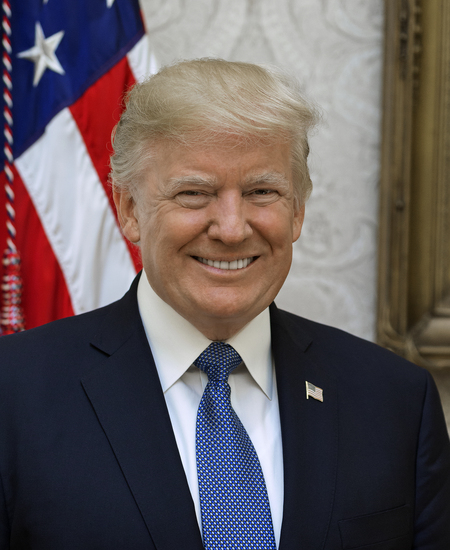
A Republican-backed redistricting initiative in Utah, supported by former President Donald Trump's political operation, has triggered accusations of election fraud and threatening violence as the state debates redrawing its congressional districts. The proposal aims to eliminate a competitive Democratic House seat held by a first-term representative, but the campaign has drawn scrutiny from Democrats, election officials, and civil rights advocates who say the effort violates federal law and state election procedures.
Utah's congressional map has been a flashpoint in the broader national redistricting wars following the 2020 census. The state's Republican supermajority controls the legislature and has the power to redraw lines, but any changes must follow the Voting Rights Act and comply with court orders from previous litigation over district boundaries.
What the Right Is Saying
Republican lawmakers say the redistricting effort reflects legitimate policy disagreement and the will of Republican voters in Utah. They argue that with a Republican supermajority, the state should have the right to draw districts that favor Republican candidates, as other states do. GOP officials deny that the initiative includes fraud or that supporters have engaged in threatening behavior, characterizing such claims as Democratic attempts to prevent lawful redistricting. Some Republicans argue the current Democratic-held seat is an anomaly in an overwhelmingly Republican state and redistricting would restore a more representative alignment.
What the Left Is Saying
Democratic lawmakers and voting rights advocates argue the redistricting push is an illegal partisan gerrymander designed to suppress Democratic representation. They point to the timing—coming early in the 2026 election cycle—as evidence the effort is designed to eliminate a Democrat rather than address legitimate redistricting needs. Some Democrats have alleged the campaign has included threats of violence against election officials and supporters of the current map, which they say constitutes intimidation of the redistricting process. National Democratic organizations have indicated they may challenge any new map in federal court under the Voting Rights Act.
What the Numbers Show
Utah voted for Trump by 37 percentage points in 2024. Republicans hold 21 of 29 state House seats and 23 of 29 state Senate seats. The single Democratic House seat in question was won with 52% of the vote in 2024, suggesting the district is genuinely competitive. National data shows that states controlled by either party typically use redistricting to maximize seats for their party, though federal law prohibits racial gerrymandering and the Voting Rights Act protects voting rights for protected classes.
The Bottom Line
Utah's redistricting battle reflects the high stakes of congressional map-drawing in an era of polarization. Any new map will likely face a legal challenge in federal court, which could delay implementation. The outcome will affect Utah's congressional balance and may set a precedent for how aggressively states can pursue partisan redistricting. Election officials and federal courts will ultimately determine whether the initiative complies with federal law, and threats or fraud allegations, if substantiated, could become criminal matters.