
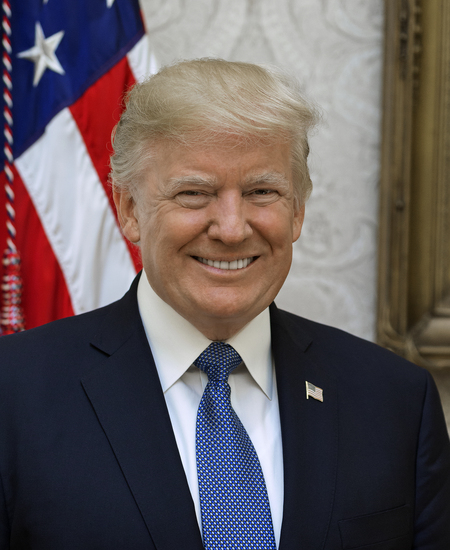
The Trump administration has initiated a formal review regarding the United States' diplomatic participation in the 2026 Winter Olympics in Milan-Cortina, Italy. While American athletes are expected to compete, the White House has not yet confirmed whether a high-level delegation of government officials will attend the opening ceremonies. This review follows a series of disagreements between Washington and European Union leadership over trade tariffs and defense spending requirements within the NATO framework.
The potential diplomatic snub comes as the administration emphasizes an 'America First' approach to international sporting events, questioning the return on investment for high-profile diplomatic missions. Historically, diplomatic boycotts—where athletes compete but officials stay home—have been used as a tool of soft power to signal disapproval of host nation policies or broader geopolitical trends without penalizing the competitors themselves.
What the Right Is Saying
Supporters of the administration argue that official attendance should be earned through fair economic partnerships and shared security burdens. Representative Michael Waltz (R-FL) noted that 'taxpayer-funded junkets' for officials are inappropriate when European partners are not meeting their 2% GDP defense spending commitments. The administration's framing suggests that the Olympics are often used by international bodies to promote globalist agendas that do not align with U.S. interests. Proponents of the review argue that by withholding a high-level delegation, the U.S. sends a clear message that economic and security concessions are prerequisites for standard diplomatic courtesies.
What the Left Is Saying
Democratic lawmakers and internationalist policy experts argue that a diplomatic boycott unnecessarily strains relationships with key European allies. Senator Chris Murphy (D-CT) stated that the Olympics should serve as a venue for 'bridge-building' rather than a 'battleground for trade grievances.' Critics of the administration's stance suggest that withdrawing a formal delegation cedes the international stage to adversaries and weakens the United States' cultural influence. Organizations like the Council on Foreign Relations have noted that such moves can alienate the host nation—in this case, Italy—which remains a critical partner in Mediterranean security.
What the Numbers Show
According to the U.S. Department of Commerce, the current trade deficit with the European Union stands at approximately $225 billion, a figure the administration has frequently cited as a justification for revised diplomatic relations. In terms of Olympic history, the U.S. previously staged a full athletic boycott in 1980 and a diplomatic-only boycott of the 2022 Beijing Games. A recent Pew Research Center poll indicates that 48% of Americans support using sporting events to send political messages, while 42% believe sports and politics should remain separate. Italy currently spends roughly 1.5% of its GDP on defense, falling short of the 2% NATO target.
The Bottom Line
The White House is expected to make a final decision on the delegation by late 2025. The outcome will serve as a significant indicator of the administration's willingness to use cultural and sporting events as leverage in broader economic negotiations. For now, the U.S. Olympic & Paralympic Committee (USOPC) is proceeding with standard preparations, emphasizing that the training and safety of the 200+ expected American athletes remain the primary focus regardless of the diplomatic outcome.