
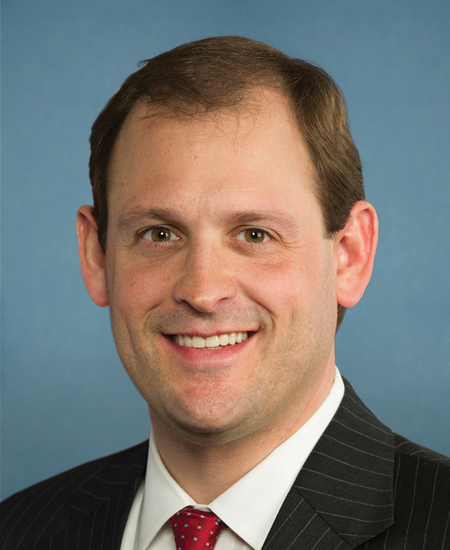
A politically active Super PAC has injected $2.5 million into the Kentucky Senate race by launching a significant advertising buy in support of candidate Andy Barr. This financial commitment highlights the escalating stakes and competitive nature of the ongoing campaign, as external groups increasingly play a pivotal role in shaping voter perceptions.
The expenditure is anticipated to fund a series of advertisements, potentially covering television, digital platforms, and other media, aimed at influencing public opinion in the weeks leading up to the election. Such large-scale outlays by Super PACs are a common feature in modern American political campaigns.
What the Left Is Saying
Democratic strategists and progressive organizations frequently criticize the influence of Super PACs in elections, arguing that they allow wealthy donors and special interests to disproportionately sway political outcomes. They contend that unlimited spending by these groups undermines campaign finance regulations, making elections less democratic and obscuring the true source of campaign funds. Critics of the Barr-supporting Super PAC's ad buy are likely to frame it as an attempt to overpower grassroots campaigns and distort the message through well-funded, often negative, advertising. They emphasize the need for transparency and stricter regulations on independent expenditures to level the playing field for all candidates.
What the Right Is Saying
Republican operatives and conservative advocacy groups often defend Super PAC operations as a form of free speech, protected under the First Amendment. They argue that these independent expenditure-only committees provide a vital avenue for citizens and organizations to voice their opinions on political issues and support candidates they believe in. Supporters of the Barr-affiliated Super PAC would likely highlight its right to participate in the political discourse and to ensure that Barr's message reaches a broader electorate. They maintain that voters are discerning and capable of evaluating political advertisements, and that limiting such spending would infringe upon fundamental constitutional rights.
What the Numbers Show
The $2.5 million ad buy by the Super PAC represents a significant infusion of capital into the Kentucky Senate race. Federal Election Commission (FEC) data consistently shows that independent expenditures by Super PACs have grown substantially in recent election cycles, often outspending official candidate campaigns. This particular ad buy contributes to the overall financial landscape of the Kentucky contest, where campaign spending is typically in the tens of millions. The effectiveness of such ad buys is often measured by polling data and voter sentiment shifts, which will be closely monitored as the campaign progresses.
The Bottom Line
The deployment of $2.5 million by a Super PAC in the Kentucky Senate race underscores the growing role of external funding in American elections. This move is set to intensify the campaign's media presence and engagement, drawing further attention to the contest's key issues and candidates. As the election nears, the impact of these substantial financial contributions on voter behavior and the ultimate outcome will be a central point of analysis for political observers.