
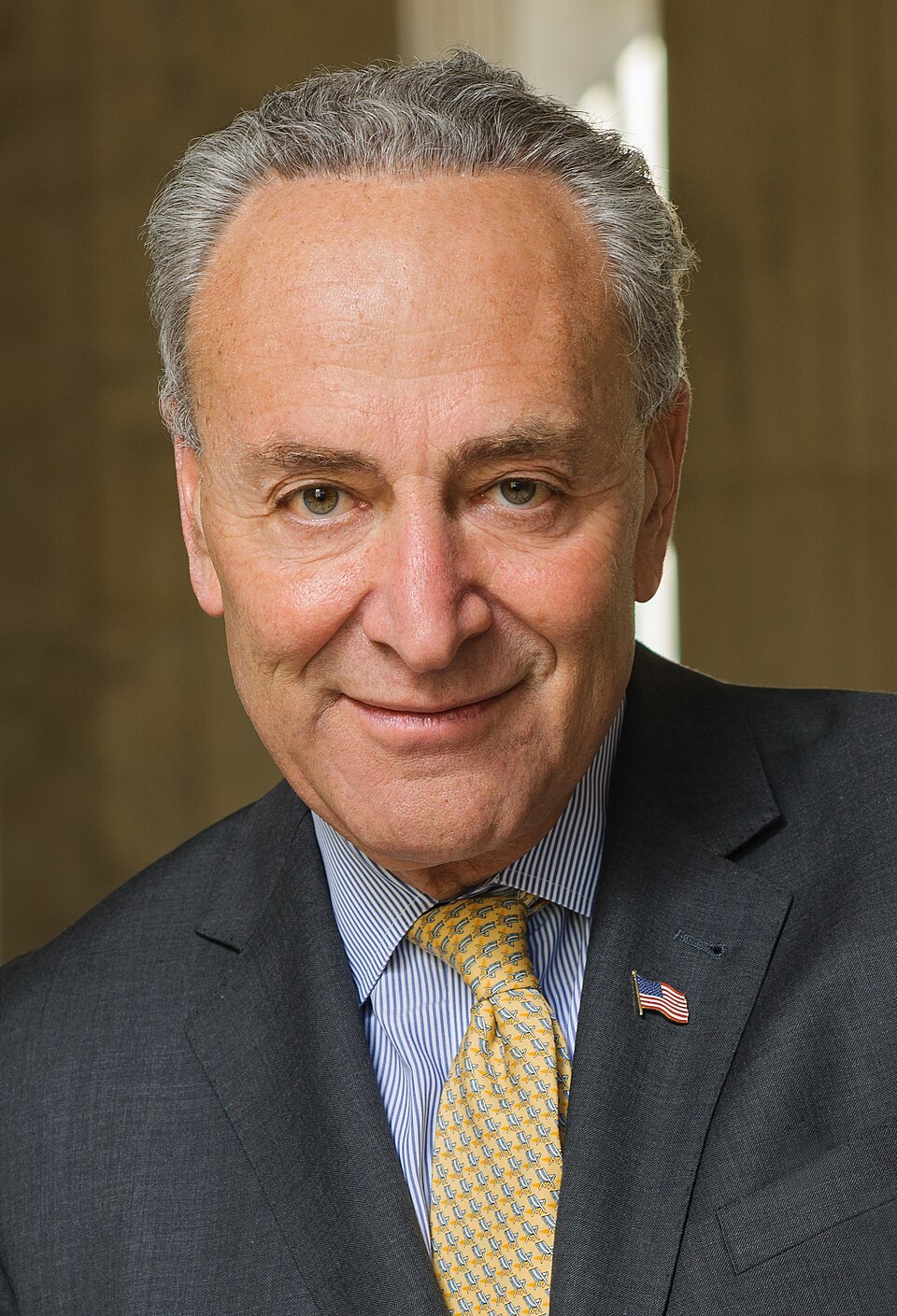
A group of moderate Senate Democrats are facing intense political pressure ahead of this week's expected vote on Department of Homeland Security funding, with Republicans insisting on new border security measures and progressive Democrats threatening to oppose any bill that expands enforcement authority. The outcome will likely determine whether the government faces a partial shutdown affecting border operations, TSA, and other DHS functions.
The funding bill, which must pass by Friday to avoid a lapse in DHS appropriations, has become a flashpoint over immigration policy. Republicans are demanding $18 billion in additional border wall funding, expanded detention capacity, and restrictions on asylum processing as conditions for supporting the measure. Democrats control the Senate by a narrow margin, meaning any bill will require either Republican votes or unanimous Democratic support to overcome procedural hurdles.
What the Right Is Saying
Republicans frame the funding fight as a test of whether Democrats are serious about border security. Senator John Cornyn said Democrats "cannot credibly claim to support law enforcement while refusing to fund basic border infrastructure and enforcement capacity." He noted that border crossings have increased 23% since the start of 2026 compared to the same period last year.
GOP negotiators argue that their demands are reasonable and reflect commitments Democrats made during previous budget negotiations. House Republicans have already passed a DHS funding bill that includes the border provisions, putting pressure on the Senate to either accept similar terms or be blamed for a shutdown affecting border security operations.
Some Republicans have privately indicated willingness to reduce their funding demands in exchange for policy changes they consider priorities, such as restrictions on parole authority and changes to asylum processing timelines. However, House conservatives have threatened to block any compromise that doesn't include substantial new border funding, potentially complicating passage even if the Senate reaches a deal.
What the Left Is Saying
Progressive Democrats argue that linking border security funding to humanitarian concerns represents bad policy that they cannot support. Senator Elizabeth Warren said the Republican demands would "gut asylum protections and fund a massive expansion of detention facilities," calling the provisions "morally unacceptable."
Immigrant rights organizations including the American Immigration Council and United We Dream have urged all Democrats to oppose any funding bill that includes the Republican border provisions. They note that DHS detention facilities are already operating above capacity and that adding funds without oversight reforms would perpetuate what they characterize as human rights violations.
However, some Democratic leadership figures have signaled willingness to compromise on border security in exchange for protections for Dreamers and expanded legal immigration pathways. Senate Majority Leader Chuck Schumer has reportedly been in negotiations with moderate Republicans to find a package that could attract 60 votes, though progressives have warned this could fracture the Democratic caucus.
What the Numbers Show
The Department of Homeland Security's current budget for fiscal year 2026 is $96.4 billion, with approximately $18.2 billion allocated to Customs and Border Protection. The Republican proposal would increase border funding by roughly 19%, bringing total DHS funding to approximately $114 billion.
Border apprehensions have averaged approximately 178,000 per month in fiscal year 2026 to date, up from 145,000 per month in the final quarter of fiscal year 2025 but below the peak of 241,000 per month reached in May 2024. Current detention capacity is approximately 41,000 beds, with average daily population fluctuating between 38,000 and 42,000 depending on seasonal patterns.
A recent CBS/YouGov poll found 61% of Americans favor increasing border security funding, including 89% of Republicans, 58% of independents, and 38% of Democrats. However, support drops to 42% overall when respondents are told the funding would primarily go to physical barriers and detention facilities rather than technology and personnel.
The Bottom Line
The DHS funding vote represents a critical test for moderate Democrats from competitive states who face reelection pressure to demonstrate border security credentials while maintaining support from their party's progressive base. Senators including Jon Tester, Sherrod Brown, and Jacky Rosen are seen as potential swing votes who could determine the outcome. If no compromise emerges by Friday, DHS would enter a partial shutdown affecting approximately 250,000 employees, though essential personnel including Border Patrol and TSA agents would continue working without immediate pay. Both parties calculate that the other will bear public blame for a shutdown, making the political dynamics uncertain as the deadline approaches.