
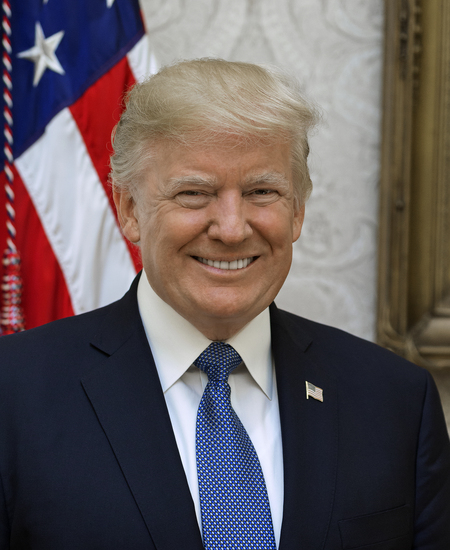
President Donald Trump has directed U.S. intelligence agencies to provide classified information to William Olson, an attorney who represented Trump in 2020 election challenges and promoted claims of widespread voter fraud. The directive, issued through a presidential memorandum, grants Olson access to intelligence reports and assessments related to investigations into the 2020 election and foreign interference allegations.
Olson, who filed multiple lawsuits challenging 2020 election results in several states, will receive intelligence briefings typically reserved for senior government officials with appropriate security clearances. The White House has not disclosed the scope of materials Olson will access or the specific investigations covered by the directive.
What the Left Is Saying
Democratic lawmakers and former intelligence officials are calling the directive an unprecedented politicization of the intelligence community. Senator Mark Warner, the top Democrat on the Senate Intelligence Committee, stated that 'granting classified access to a private attorney with a documented history of promoting election conspiracy theories undermines the integrity of our intelligence apparatus.' House Intelligence Committee member Representative Jim Himes argued that the move 'sets a dangerous precedent for using classified information to advance partisan legal theories.' Civil liberties groups including the American Civil Liberties Union have raised concerns about potential misuse of intelligence resources for political purposes.
Former CIA Director John Brennan described the directive as 'a fundamental breach of the firewall between intelligence operations and political advocacy,' warning that it could compromise sources and methods if sensitive information is disclosed in legal proceedings.
What the Right Is Saying
Republican supporters argue the directive is necessary to ensure transparency in ongoing investigations and to provide legal counsel with the information needed to represent the president effectively. Representative Jim Jordan, chair of the House Judiciary Committee, stated that 'the president has every right to ensure his legal team has access to relevant intelligence, especially when investigating potential foreign interference in our elections.' Conservative legal analysts point to presidential authority over classification and declassification as justification for the move.
The White House defended the decision in a statement, saying that 'the president is committed to uncovering the full truth about the 2020 election and ensuring that all relevant information is available to those investigating potential irregularities and foreign influence operations.' Trump allies have characterized criticism as an attempt to obstruct legitimate legal inquiries into election security.
What the Numbers Show
Presidential authority over classified information is established under Article II of the Constitution and Executive Order 13526, which grants the president broad discretion over classification decisions. However, intelligence sharing with private citizens outside government employ is rare and typically requires formal security clearance processes managed by the Office of Personnel Management. According to the Congressional Research Service, fewer than 50 private attorneys have received temporary classified access in the past 20 years, primarily for national security cases involving classified evidence.
The 2020 election has been the subject of over 60 legal challenges, with courts dismissing cases due to lack of evidence of widespread fraud. Multiple intelligence agencies, including the FBI and the Department of Homeland Security's Cybersecurity and Infrastructure Security Agency, concluded in 2020 that the election was secure and that there was no evidence of foreign interference that affected vote tallies.
The Bottom Line
The directive raises questions about the boundaries between presidential authority over classified information and the independence of intelligence agencies. Legal experts note that while the president has broad classification powers, the move could face congressional oversight and potential legal challenges if classified information is disclosed in court proceedings. The decision is likely to intensify ongoing debates about election security, intelligence community independence, and the appropriate use of classified information in political and legal contexts. Congressional intelligence committees are expected to request briefings on the scope and implementation of the directive.