
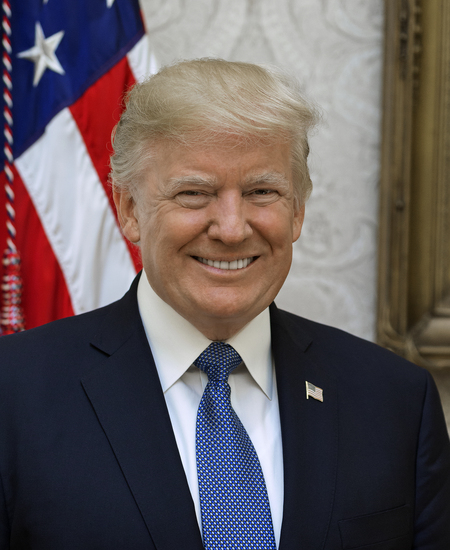
Former Secretary of State Hillary Clinton met with Czech President Petr Pavel at the Munich Security Conference to discuss the state of transatlantic relations. The encounter focused on the future of NATO and the implications of shifting U.S. foreign policy priorities. Clinton criticized what she described as isolationist tendencies, arguing that the United States must remain the anchor of the transatlantic alliance.
The Munich Security Conference is an annual event where global leaders gather to discuss security challenges. This year's discussions were particularly charged as the international community grapples with the aftermath of recent U.S. election cycles and their impact on long-standing defense commitments.
What the Right Is Saying
Republicans and conservative commentators argued that European nations must shoulder a larger portion of the defense burden rather than expecting the United States to fund the alliance indefinitely. They often cite the 2% of GDP defense spending target agreed upon in 2014 as a baseline that many allies have failed to meet. 'Allies need to do more,' one senior GOP aide noted, 'before the U.S. commits to further expansion or funding increases.'
Some voices within the GOP suggested that the focus should be on domestic infrastructure and economic issues rather than international entanglements. They argued that the friction between Clinton and European leaders highlights the difficulty of maintaining a unified Western front when political priorities diverge.
What the Left Is Saying
Clinton emphasized that NATO is a vital security guarantee and warned against policies that weaken collective defense. In a speech delivered earlier in the day, she argued that abandoning traditional allies would embolden adversaries and destabilize the international order. 'We cannot retreat into isolationism,' Clinton stated, 'because the threats we face today are transnational and require transatlantic cooperation.'
Democratic lawmakers and foreign policy experts echoed this sentiment, urging the administration to reaffirm its commitment to Article 5, which guarantees collective defense for NATO members. They pointed to recent legislative debates regarding foreign aid as evidence of a growing reluctance to engage globally.
What the Numbers Show
According to NATO data, the U.S. remains the largest contributor to the alliance's budget, providing approximately 75% of the total expenditure. However, only 11 out of 32 NATO members currently meet the 2% GDP defense spending target. Recent polling from the European Council on Foreign Relations indicates that public support for NATO remains high in member states, though there is a growing skepticism toward U.S. leadership among younger demographics.
The Bottom Line
The exchange between Clinton and President Pavel underscores the structural challenges facing NATO as it navigates a changing geopolitical landscape. While both sides agree on the importance of the alliance, the debate centers on the specific mechanisms and funding levels required to maintain its effectiveness. Observers will be watching for upcoming budget negotiations and speeches at next year's conference to gauge the future trajectory of transatlantic relations.