
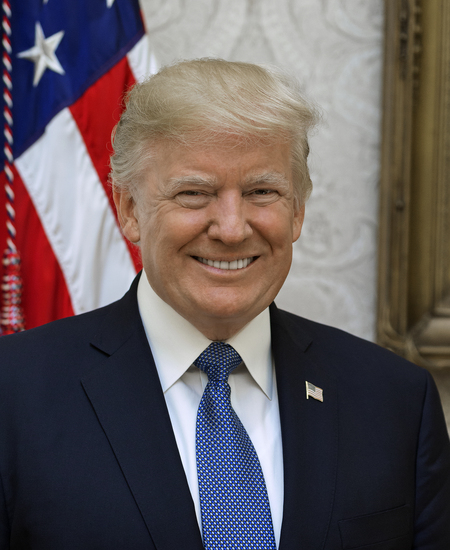
Senator Marco Rubio delivered a keynote address at the Munich Security Conference on Feb. 15, 2026, referencing President Donald Trump's stated limits on American military engagement in Europe.
The Florida lawmaker highlighted a specific passage from a recent presidential statement during his speech, noting that the era of open-ended guarantees for unmet European commitments has concluded.
What the Left Is Saying
Senator Dick Durbin stated that the rhetoric risks fracturing the transatlantic alliance, arguing that tying security guarantees to financial targets creates uncertainty for European democracies.
Progressive foreign policy analysts warned that a hard red line could embolden adversaries and undermine the collective defense architecture established after World War II.
What the Right Is Saying
Senator Tom Cotton argued that the message was necessary to correct decades of free-riding, stating that allies must contribute meaningfully to their own defense.
Conservative commentators noted that the speech aligns with previous executive orders aimed at reducing U.S. expenditures in regions where other nations bear the primary security burden.
What the Numbers Show
According to NATO data, only 11 of the 32 member nations met the 2% of GDP defense spending target in 2025, while the United States accounted for approximately 70% of the alliance's total defense expenditure.
The gap between European spending commitments and actual disbursements has persisted despite annual warnings from the U.S. military leadership regarding readiness levels.
The Bottom Line
Rubio's comments at Munich signal a definitive shift in U.S. foreign policy toward a more transactional approach, where European security support remains contingent on tangible contributions from European nations.