
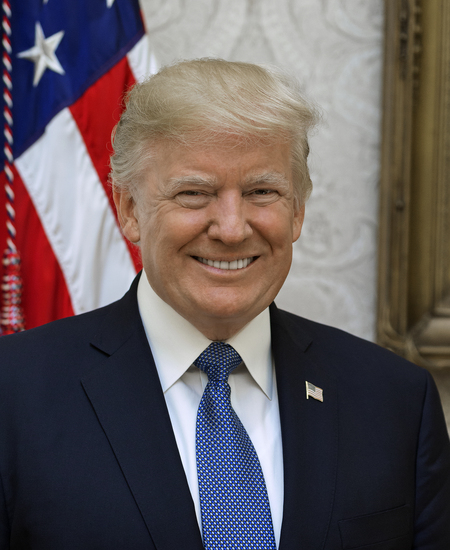
Former President Donald Trump has publicly criticized late-night host Bill Maher, deeming the host's recent political rhetoric "very boring" and "anti-Trump." The comments were posted on the social media platform X, formerly known as Twitter, according to initial reports.
This exchange highlights the ongoing dynamic between high-profile political figures and late-night comedy hosts, who frequently serve as a stage for policy critique and political satire.
What the Left Is Saying
Supporters of Bill Maher and the late-night format argue that his commentary serves as a necessary counterweight to political discourse. "Bill has always been a voice for free speech and holding power accountable," said a representative for a progressive media watchdog group.
Progressive commentators note that Maher's show has historically targeted a range of figures, not just Republicans, and that the former president's response is a common tactic to deflect from policy scrutiny.
What the Right Is Saying
Trump allies and Republicans generally dismiss Maher's critique as biased. The former president defended his record, stating that his policies have been successful and that he does not need validation from late-night comedians.
Right-leaning media outlets have largely echoed Trump's sentiment, arguing that Maher's show has shifted from satire to partisan attacks, noting the host's previous criticism of other conservative figures.
What the Numbers Show
According to a 2025 Pew Research Center survey, 71% of Republicans view late-night comedy shows as biased, while only 22% of Democrats hold the same view. This divergence suggests that political figures from both sides often perceive media criticism as skewed against them.
Additionally, data from the same survey indicates that the percentage of Americans who get their news primarily from late-night television has declined by 4% over the last year, suggesting a shift away from entertainment as a primary source of political information.
The Bottom Line
The public exchange underscores the role of media personalities in shaping political narratives. As political figures increasingly engage directly with audiences on social media, the line between political commentary and personal grievance becomes more blurred.
Observers suggest that while such statements generate short-term engagement, the long-term impact on political discourse depends on how effectively voters distinguish between satire and official policy statements.