
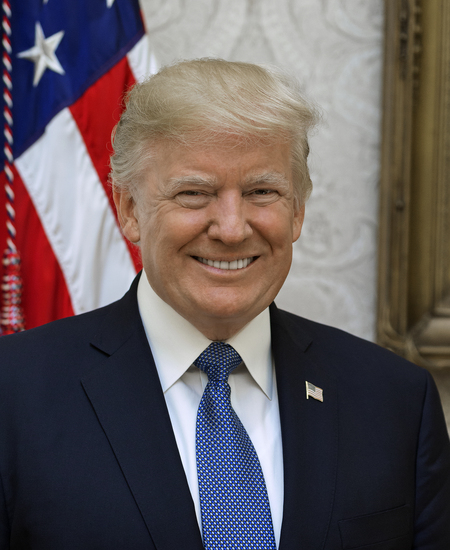
Senator Markwayne Mullin said that former President Donald Trump’s recent characterization of Oklahoma Governor Kevin Stitt as a ‘RINO’ does not define their relationship. In a response to Trump’s social media post, Mullin emphasized that political allies can have differing views.
The tension comes as Trump has frequently targeted governors he views as insufficiently aligned with his agenda, specifically regarding energy production and border security. Stitt has been a vocal supporter of the oil and gas industry, a stance that aligns with Oklahoma’s economic interests but has drawn criticism from climate-focused factions within the party.
What the Right Is Saying
Republican commentators and officials argue that Trump is holding conservative governors accountable for their record. 'If a governor isn't fighting for the conservative agenda, they deserve to be called out,' a senior GOP operative stated.
Supporters of the former president argue that Stitt has not fully embraced the aggressive trade policies and border enforcement measures that Trump advocates. They believe the governor needs to be more receptive to federal oversight to secure the border effectively.
What the Left Is Saying
Democratic strategists view the public spat as a sign of instability within the Republican Party. 'When the leader of the party labels a sitting Republican governor a RINO, it signals a lack of loyalty,' a senior Democratic strategist noted.
They point to polling data suggesting that such infighting often depresses voter turnout among moderate Republicans and independents. The organization noted that the GOP's internal divisions often correlate with lower overall turnout in swing states.
What the Numbers Show
According to a recent Emerson College poll conducted in Oklahoma, former President Trump holds a 58% approval rating in the state, while Governor Stitt sits at 46%. This indicates a significant gap between the national figurehead and the state executive.
Additionally, 61% of Republican primary voters in the state say they would support Trump’s preferred candidate in a hypothetical 2026 Senate race. This suggests that Trump's endorsement remains a powerful tool for mobilizing the base.
The Bottom Line
The exchange underscores the difficulty of maintaining party unity in a state that leans heavily Republican. As the 2026 midterm elections approach, how Oklahoma Republicans navigate the relationship between their former president and their current governor will likely play a significant role in their electoral strategy.
Party leaders in both camps will need to determine whether to prioritize unity for the general election or allow the primary season to act as a referendum on the party's direction.