
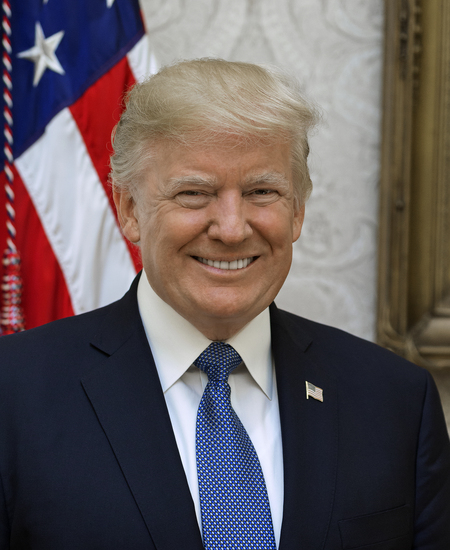
President Donald Trump began his term with a focus on deregulation and economic nationalism. He promised to reverse the policies of the previous administration. By February 2026, the White House released a scorecard of its first year in office.
The 'America First' agenda focused on spending less, lowering interest rates, and renegotiating trade deals. But implementation varied. Some promises came through executive orders. Others required legislation. This created a complex picture of progress.
What the Left Is Saying
Congressional Democrats argue the administration moved quickly on executive orders but failed on core economic promises for the working class. Senator Patty Murray said tariffs increase costs for families.
Progressive groups say infrastructure spending stalled in the Senate. Environmental rollbacks hurt public health goals. The gap between campaign promises and legislative reality widened.
What the Right Is Saying
Republican leadership praised the speed of the legislative agenda. Over 40 bills went to the President's desk. Representative Marjorie Taylor Greene noted 100 federal regulations removed as a victory for small businesses.
Conservative commentators say the administration is following its platform. Appointments of conservative judges and withdrawal from international treaties fulfill campaign vows. Focus on border security and energy independence is delivering results.
What the Numbers Show
The unemployment rate dropped from 4.2% in early 2025 to 3.7% as of February 2026. But inflation remains above the Federal Reserve's 2% target at 3.4%.
The Congressional Budget Office projects a 2026 budget deficit of $1.2 trillion. This comes from new defense spending and tax cuts passed in the first year. Trade volume shows a shift in import sources, but global trade stabilized.
The Bottom Line
The administration's ability to fulfill campaign promises depends on the midterm elections. With a divided Congress, executive orders will be the primary tool for policy changes. This limits the administration's long-term legislative legacy.