
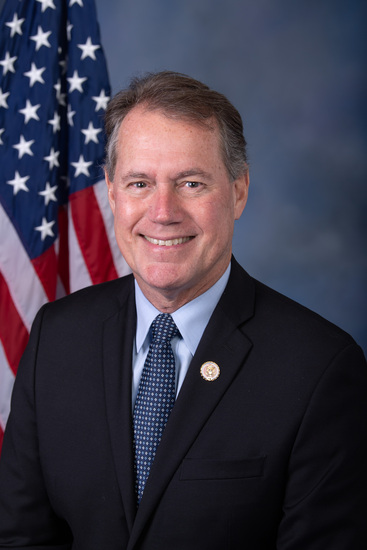
Meta CEO Mark Zuckerberg appeared before a federal jury in San Francisco today to face testimony regarding ongoing antitrust allegations. Separately, the Department of Homeland Security announced that its chief spokesperson has resigned her post, effective immediately.
The simultaneous events mark a turbulent week for federal institutions. The Federal Trade Commission lawsuit against Meta has centered on the company's acquisitions and control of social media ecosystems, while the DHS leadership change comes amid a broader debate over agency messaging and immigration policy.
What the Right Is Saying
Republicans have largely criticized the trial as politically motivated. Senator Ted Cruz noted, 'This is a clear attempt by the Biden administration to harass a successful American company.' The GOP argues that heavy regulation stifles innovation and could lead to job losses within the tech sector.
Conservative commentators have pointed to the DHS resignation as evidence of instability within the administration's communication strategy. They suggest that the shift in leadership reflects a broader inability to manage the border crisis effectively and maintain public trust in federal agencies.
What the Left Is Saying
Progressives argue the trial is a necessary check on corporate power. Senator Elizabeth Warren stated, 'We cannot allow a handful of billionaires to dictate the rules of the digital economy.' Advocacy groups like the Center for Digital Democracy have urged the jury to find Meta violated antitrust laws by suppressing competition.
Democrats in Congress have signaled support for the FTC's enforcement actions, framing the case as a victory for consumers who face data privacy risks and limited choices in the tech marketplace. They argue that the size of Meta requires closer scrutiny to ensure fair competition.
What the Numbers Show
The FTC has requested over $9 billion in penalties for antitrust violations related to Instagram and WhatsApp. The trial is expected to last approximately six weeks, making it one of the longest antitrust cases in recent history. Regarding DHS, the spokesperson's departure follows a 15% turnover rate in agency leadership over the past year, according to Office of Personnel Management data.
Polling indicates that 54% of voters believe large tech companies have too much power, while 62% disapprove of the current administration's handling of immigration, according to the latest Civis Analytics survey. These figures suggest public sentiment is divided on the merits of both the tech regulation and the DHS leadership changes.
The Bottom Line
The outcome of Zuckerberg's trial could set a precedent for how antitrust laws are applied to digital monopolies, potentially reshaping the landscape for social media giants. Meanwhile, the DHS leadership vacancy raises questions about the continuity of messaging during a critical period for national security policy and border management.