
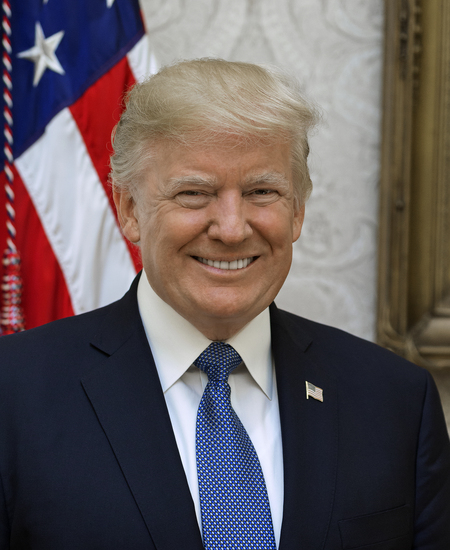
On Feb. 20, 2026, U.S. Trade Representative Katherine Tai announced that the administration will not move forward with a new tariff proposal advanced by President Donald Trump, marking one of the few instances a senior official has publicly opposed a Trump trade initiative.
The request, first raised in a meeting with senior White House aides last week, called for additional duties on imported steel and aluminum from China and several allied nations, a move Trump argues is needed to protect American jobs. Tai’s decision follows a review by the Office of the USTR that concluded the proposed measures would likely violate existing trade agreements and could trigger retaliatory actions.
What the Left Is Saying
Senator Elizabeth Warren (D-MA) praised the decision, saying the administration “has finally listened to American workers and avoided a reckless trade war that would raise prices for families.” The progressive Senate Finance Committee also released a statement noting that the proposed tariffs would have increased costs for construction and automotive sectors by an estimated $12 billion annually, according to a Congressional Research Service analysis.
What the Right Is Saying
Senator Mitch McConnell (R-KY) expressed disappointment, stating that the refusal “undermines the President’s resolve to confront unfair trade practices and protect American industry.” The U.S. Chamber of Commerce issued a press release urging the administration to reconsider, arguing that higher tariffs are necessary to level the playing field for U.S. manufacturers.
What the Numbers Show
Current tariffs on Chinese steel average 25% and on aluminum 10%, covering roughly $18 billion in annual imports, according to USTR data. A Treasury analysis released in January 2026 projected that the additional duties Trump sought would have added an average of 3.5% to the price of steel‑intensive goods, translating to roughly $4.2 billion in higher consumer costs. The trade gap with China stood at $382 billion in 2025, a 2% increase from the previous year.
The Bottom Line
Tai’s refusal does not end the broader tariff regime put in place during the Trump administration, but it signals a willingness by the USTR to push back on proposals deemed inconsistent with trade agreements. Future tariff adjustments will likely depend on ongoing negotiations with China and the administration’s broader trade strategy, making the next weeks of WTO and bilateral talks a focal point for both supporters and critics of the policy.
Analysts at the Brookings Institution noted that while the immediate impact on import prices is limited, the decision may embolden Congress to pursue legislation that would impose targeted tariffs, a move that could reshape the political debate ahead of the 2026 midterm elections.