
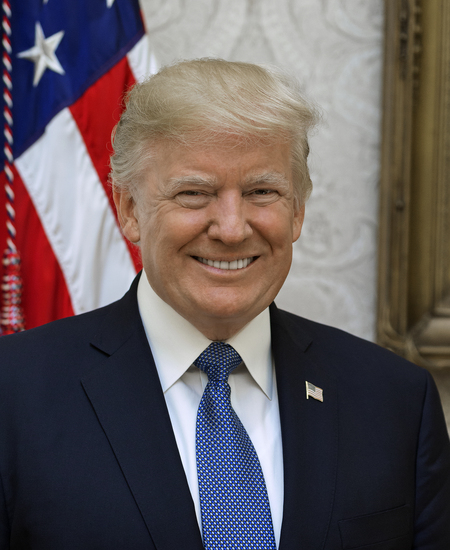
In a book released this week, author Michael J. Gerson contends that U.S. Senator JD Vance could become the central figure of a post‑Trump Republican Party, highlighting Vance’s blend of working‑class outreach and policy‑focused proposals. The claim was reported by the Daily Wire.
Vance, a former Marine and author of the 2016 memoir "Hillbilly Elegy," won Ohio’s Senate seat in 2022 by defeating incumbent Democrat Sherrod Brown. Since taking office, he has positioned himself as a cultural conservative while advocating for economic initiatives aimed at revitalizing rust‑belt communities.
What the Right Is Saying
Senate Minority Leader Mitch McConnell (R‑KY) praised Vance’s ability to connect with working‑class voters, stating that his focus on “family values and job creation” aligns with the party’s effort to broaden its electoral base.
Conservative commentator Ben Shapiro, speaking on his podcast, echoed Gerson’s argument, saying Vance’s willingness to confront “woke” cultural trends while proposing concrete infrastructure investments makes him a viable successor to Trump’s populist appeal.
What the Left Is Saying
Senator Sherrod Brown (D‑OH) said Vance’s voting record on immigration and voting‑rights legislation raises concerns, noting that the senator voted against the For the People Act and supported stricter border enforcement measures that the Democratic caucus views as limiting voting access.
The progressive advocacy group MoveOn.org issued a statement that Vance’s emphasis on “cultural issues” distracts from broader economic inequality, calling the book’s premise an attempt to rebrand the GOP without addressing systemic challenges.
What the Numbers Show
A Pew Research Center survey released in January 2026 found that 48% of Republican‑leaning voters view Vance favorably, compared with 31% for former President Trump among the same group.
Nielsen BookScan reported first‑week sales of 12,000 copies for Gerson’s book, placing it on the bestseller list for political titles.
According to the Senate’s official voting record, Vance has voted with the GOP on 93% of major bills, while breaking ranks on the 2023 Infrastructure Investment Act, supporting the bipartisan measure.
The Bottom Line
If Vance can translate his Senate profile into a national platform, GOP strategists may view him as a bridge between Trump‑driven populism and traditional conservatism; however, Democratic leaders argue his policies remain at odds with their agenda, making his potential candidacy a contested focal point for the party’s future direction.