
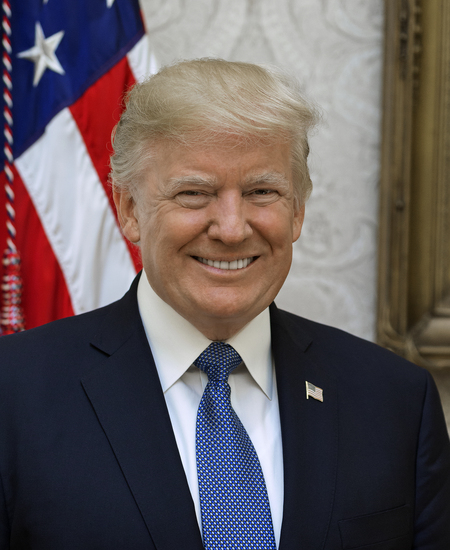
Former President Donald Trump repeated claims that the United States government has misrepresented the history and science of national parks during a rally in Florida on Feb. 20, 2026, prompting responses from historians, scientists, and the National Park Service.
What the Left Is Saying
Democratic leaders and progressive organizations argue that Trump’s statements distort factual history, ignore peer‑reviewed scientific research, and risk undermining public confidence in the National Park Service; Senator Elizabeth Warren said the remarks were "a dangerous rewriting of our shared heritage," and the National Park Service released a statement calling the claims "inaccurate and misleading."
What the Right Is Saying
Republican officials and Trump supporters contend that the former president is highlighting a perceived liberal bias in government narratives and exercising free speech; House Republican Conference Chair Kevin McCarthy noted that “Americans should be free to question official accounts,” and the America First Institute released a commentary supporting the need for “balanced historical perspectives.”
What the Numbers Show
The National Park Service manages 424 units covering more than 84 million acres, and a 2024 Gallup poll found that 78% of Americans trust the agency’s information about park resources; fact‑checking organizations have rated Trump’s specific claims about park history as “False” in three separate assessments since 2022.
A separate Pew Research Center survey conducted in 2025 indicated that 62% of respondents view political statements about historical monuments as “politicized,” while 27% believe such statements are “accurate representations of history.”
The Bottom Line
The dispute underscores ongoing partisan battles over historical interpretation and scientific communication; the National Park Service plans to issue additional educational materials, and congressional committees on education and natural resources have scheduled hearings to examine the impact of misinformation on public trust.