
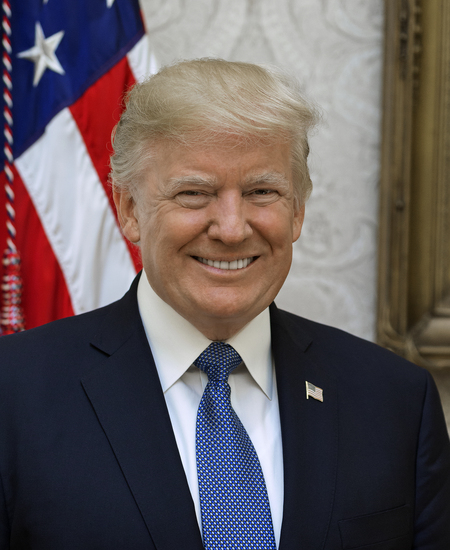
The United States announced a $2.4 billion arms package for Taiwan on Tuesday, a move that comes as former President Donald Trump has publicly urged a trade agreement with China.
The sale, approved by the State Department under the Foreign Military Sales program, includes advanced surface-to-air missile systems, anti-ship missiles and naval patrol boats, marking the latest in a series of U.S. arms sales to Taiwan since 2020. Trump highlighted his desire for a trade pact during a recent interview with President Xi Jinping, saying a deal could improve U.S.-China relations.
What the Right Is Saying
Senator Mike Rounds (R‑SD) stated that the sale reflects the United States’ obligation to support a democratic partner and that the equipment will help Taiwan protect its own territory, but cautioned that timing is important to avoid complicating trade talks.
The House Freedom Caucus echoed concerns that the announcement could be perceived by Beijing as a provocation, potentially jeopardizing the trade outreach that Trump has championed as a way to reduce the U.S. trade deficit with China.
What the Left Is Saying
Senator Chris Murphy (D-CT) said the sale reinforces the United States’ longstanding commitment to Taiwan’s self‑defense and aligns with bipartisan consensus on deterring aggression in the Indo‑Pacific, while noting that Trump’s approach to China risks undermining strategic stability.
Progressive groups such as the Committee on the Present Danger argued that the arms package is a necessary response to Beijing’s increasing military pressure on Taiwan and that any trade negotiations must address human rights and security concerns.
What the Numbers Show
The State Department listed the total value of the package at $2.4 billion, bringing cumulative U.S. arms sales to Taiwan to roughly $15 billion since 2020. A Pew Research Center survey released in 2025 found that 68% of Americans support continued U.S. security assistance to Taiwan. The U.S. trade deficit with China stood at $312 billion in 2025, according to the Department of Commerce.
The Bottom Line
The arms sale underscores a bipartisan commitment to Taiwan’s defense, while the timing creates a diplomatic challenge for Trump’s pursuit of a China trade deal. Future developments will depend on how Beijing responds to the sale, whether Congress advances additional security measures, and how the administration balances security and trade objectives.