
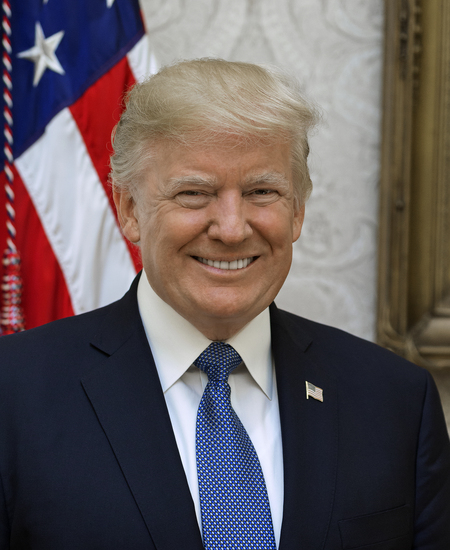
Fitness trainer Jillian Michaels said on X that former President Donald Trump's recent executive order defending glyphosate and independent presidential candidate Robert F. Kennedy Jr.'s similar stance are “devastating,” adding her voice to growing criticism of the chemical’s safety.
What the Right Is Saying
The White House press office released a statement asserting that the executive order restores balance after what it called “unwarranted alarmism” from activist groups, emphasizing that glyphosate has been deemed safe by the FDA and the EPA after decades of review.
Robert F. Kennedy Jr., speaking at a campaign rally, defended the chemical as “essential for feeding a growing population” and criticized “politically motivated attacks” on farmers, echoing the administration’s position.
Industry representatives from the American Chemistry Council praised the order, saying it “protects American agriculture and jobs” and warned that over‑regulation could increase food prices.
What the Left Is Saying
Democratic senators, including Senator Tammy Baldwin, argued that the executive order undermines the EPA’s science‑based review process and that the administration is ignoring the International Agency for Research on Cancer’s classification of glyphosate as a probable carcinogen; Baldwin said the move “puts public health at risk.”
Environmental groups such as the Sierra Club and the Natural Resources Defense Council issued statements calling the order a “dangerous rollback” of pesticide regulations and urged Congress to pass legislation tightening glyphosate limits.
What the Numbers Show
The EPA reports that glyphosate is used on roughly 290 million acres of U.S. cropland each year, accounting for about 40% of total pesticide applications; the 2024 pesticide usage report shows annual sales of glyphosate at $7.5 billion.
Meta‑analyses of epidemiological studies published in 2023 and 2024 find a modest association between high occupational exposure to glyphosate and certain cancers, while other large reviews conclude the evidence is insufficient to establish a causal link.
A Pew Research Center poll conducted in December 2025 found that 58% of American adults are concerned about glyphosate residues in food, with 42% supporting stricter federal regulation, while 31% trust the government’s assessment of its safety.
The Bottom Line
The controversy highlights a split between public health advocates and agricultural interests, with Jillian Michaels’ comment adding a celebrity‑driven spotlight that may influence public opinion as the administration’s policy faces potential legal challenges and congressional scrutiny.
Future developments will likely depend on forthcoming EPA risk assessments, possible lawsuits from environmental groups, and the outcome of any legislative proposals aimed at revising pesticide standards.