
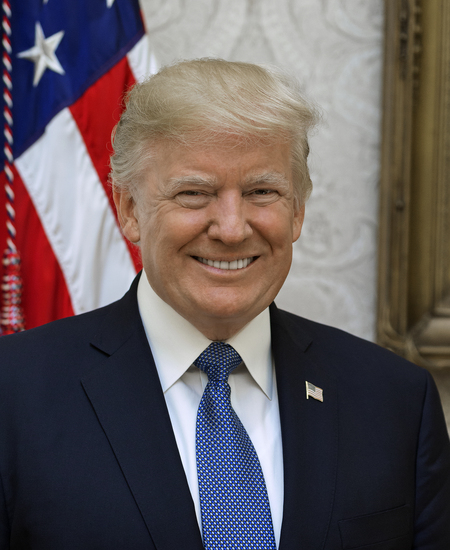
The question of whether former President Donald Trump can avoid what critics call "magical thinking" in his policy approach has emerged as a central theme in ongoing debates about his political future and potential third presidential campaign.
The phrase, used by political analysts across the spectrum, refers to concerns that Trump's policy proposals may underestimate the complexity of implementation, the constraints of institutional processes, or the reactions of political opponents and international actors.
What the Left Is Saying
Progressive analysts and Democratic strategists have seized on the "magical thinking" framing to argue that Trump's policy agenda rests on unrealistic assumptions. They point to his previous administration's experience with executive orders being blocked by courts, legislative battles that produced mixed results, and international relationships that deteriorated during his tenure.
Senator Elizabeth Warren and other progressive Democrats have argued that Trump's promises to immediately reverse Biden administration policies ignore the procedural and legal hurdles that exist. "You can't simply wave a magic wand and undo years of policy," Warren said in a recent statement. "That's not how government works."
The Center for American Progress and other left-leaning think tanks have published analyses arguing that Trump's proposed economic policies, particularly on trade and tariffs, fail to account for market reactions and supply chain realities that his first term demonstrated.
What the Right Is Saying
Trump supporters and conservative commentators reject the "magical thinking" characterization as a dismissal of Trump's substantive policy proposals. They argue that the former president's critics are simply unwilling to acknowledge his electoral mandate and the public's desire for dramatic change.
Former Trump administration officials have pushed back, noting that Trump's first term accomplished significant policy goals despite institutional resistance. "The media said he couldn't build the wall, pass tax cuts, or appoint conservative judges," one former official said. "He did all three."
Conservative commentators including those at National Review and The Federalist have argued that the real "magical thinking" belongs to those who believe the existing administrative state will resist change indefinitely. They contend that Trump's approach of confronting institutions directly is precisely what's needed to deliver on campaign promises.
What the Numbers Show
Trump's approval ratings have fluctuated in recent months, with polling showing a persistent base of support around 40-45% alongside significant opposition. His favorability among independent voters, a key swing demographic, remains a contested metric across different polling firms.
The former president's campaign has reported significant fundraising totals, with some campaigns reporting record-small-donor participation. However, general election matchup polls against potential Democratic nominees show competitive but variable results depending on the pollster and framing.
Legislative productivity data from Trump's first term shows a mix of achievements: the Tax Cuts and Jobs Act passed with Republican-only votes, while immigration legislation failed to pass despite Republican control of both chambers.
The Bottom Line
The debate over "magical thinking" reflects broader disagreements about the feasibility of Trump's policy agenda and the methods needed to implement it. Whether the former president can deliver on his proposals will depend on electoral outcomes, institutional constraints, and political dynamics that remain in flux. Both sides agree the question will be central to any 2028 presidential race, though they draw opposite conclusions about what it reveals about Trump's candidacy.