
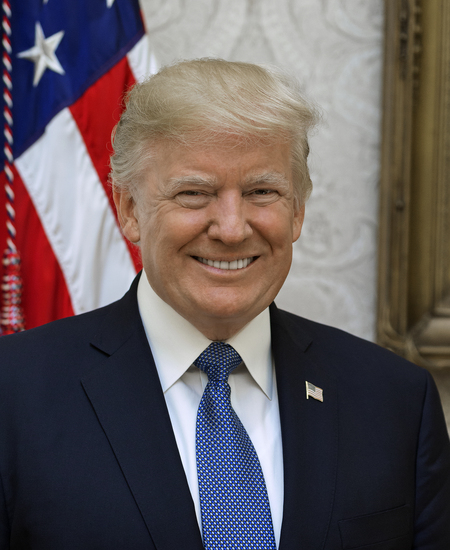
It has been 10 days since the United States and Israel first launched an attack on Iran on February 28. In a press conference from Mar-a-Lago on Tuesday, President Donald Trump said the war would be over "very soon" and expressed his goal of ensuring Iran cannot develop nuclear weaponry "for a very long period of time." The BBC surveyed Americans across the country to gather perspectives on the conflict and what outcomes they consider desirable.
The war, now in its second week, represents a significant escalation in tensions between the US and Iran that have persisted for decades. The administration has framed the military action as a necessary measure to prevent Iran from obtaining nuclear weapons, while critics have questioned the strategic rationale and potential consequences of escalation.
What the Right Is Saying
Conservative Republicans have largely supported the military action, framing it as a necessary response to Iran's nuclear program and its regional destabilizing activities. Senate Minority Leader Mitch McConnell has called Iran "the foremost sponsor of terrorism" and argued that preventing nuclear proliferation in the Middle East is a core US national security interest.
Fox News hosts and conservative commentators have praised Trump's decisive action, arguing that previous administrations' diplomatic approaches with Iran only delayed the inevitable confrontation. Republican senators have largely backed the president's authority to use military force, with some noting that Iran had been given multiple opportunities to come to the negotiating table.
House Republican leaders have held press conferences supporting the administration's approach, with arguments that a military solution is preferable to allowing Iran to obtain nuclear weapons. Conservative foreign policy analysts have argued that the costs of inaction would far exceed the costs of current military operations, pointing to regional instability caused by Iranian proxy forces.
What the Left Is Saying
Progressive Democrats and anti-war activists have expressed deep skepticism about the conflict, questioning both its necessity and its strategic purpose. Some progressive voices have quoted anonymous soldiers expressing confusion about the mission's objectives, with one soldier telling the BBC "I don't know why we're doing it" when asked about the rationale for military action.
Senator Bernie Sanders has called for congressional debate on any sustained military engagement, arguing that the American people deserve to understand the scope and duration of US involvement. Progressive organizations including MoveOn and Peace Action have called for diplomatic solutions, arguing that military action will only deepen regional instability and inflame anti-American sentiment.
Many progressive commentators have noted the lack of clear exit strategy in the administration's public statements, arguing that Trump has not adequately explained what a successful conclusion would look like or how the US defines victory. House Progressive Caucus leaders have called for the administration to present a comprehensive strategy to Congress before any further escalation.
What the Numbers Show
The BBC's informal survey of Americans revealed significant division on the conflict, with no clear consensus emerging on whether military action is justified. The responses varied widely by region, age, and political affiliation, reflecting the polarized nature of American public opinion on foreign military interventions.
Ten days into the conflict, the administration has not released specific casualty figures or detailed assessments of military objectives achieved. The Pentagon has conducted multiple briefings but has not provided a comprehensive public accounting of operation costs or strategic benchmarks.
International polling from prior to the conflict showed that majorities in allied nations expressed concern about US-Iran tensions, though views on military action were mixed. The United Nations has not issued formal resolutions on the current hostilities, and allied governments have taken varied positions on the US-led military operation.
The Bottom Line
The Iran conflict has entered a critical phase as Trump predicts a rapid conclusion while American public opinion remains deeply divided. The administration faces pressure to articulate clear objectives and exit criteria, while Congress has yet to formally debate the scope of military authorization.
What's next: Congressional leaders from both parties have indicated they expect more detailed briefings on the administration's strategic objectives. The president has signaled willingness to continue military operations until Iran is prevented from developing nuclear weapons, but the timeline for achieving that goal remains unclear. International diplomatic efforts continue alongside military operations, though no formal peace talks have been announced.