
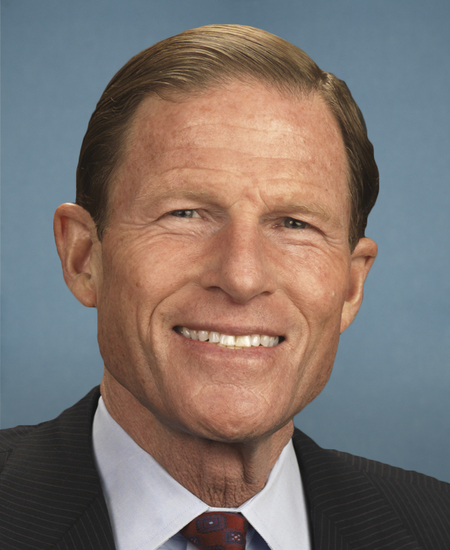
Democratic Sen. Richard Blumenthal of Connecticut said he is "dissatisfied and angry" following a classified briefing Tuesday before the Senate Armed Services Committee, expressing deep concern about the potential deployment of American ground troops to achieve Trump administration objectives in Iran.
Blumenthal told reporters after the briefing that he was left with more questions than answers, particularly about the cost of war and the risks to American service members. He cited concerns about potential escalation and the possibility of Russia and China assisting Iran in any conflict scenario.
What the Right Is Saying
White House Press Secretary Karoline Leavitt has called Democratic suggestions that the U.S. may send ground troops to Iran "disingenuous," according to coverage of the story. The administration has defended its approach to Iran policy, though specific details about military planning remain classified.
Conservative supporters of the administration's Iran stance argue that a strong negotiating position, including credible military threats, is necessary to prevent Iran from obtaining nuclear weapons and disrupting regional stability. They contend that ambiguity about U.S. resolve serves as a deterrent.
What the Left Is Saying
Blumenthal, a member of the Senate Armed Services Committee, framed the lack of public information as a transparency failure. "The American people deserve to know much more than this administration has told them about the cost of the war, the danger to our sons and daughters in uniform, and the potential for further escalation," he said.
The Connecticut senator's remarks reflected broader Democratic concerns about military engagement without congressional oversight and public accountability. Progressives have emphasized the need for debate before any ground troop deployment, citing the lessons of previous Middle East interventions.
What the Numbers Show
The Senate Armed Services Committee received a classified briefing on March 10, 2026. The specific number of troops potentially involved, cost estimates, or timeline for any deployment were not disclosed in public remarks.
Iran's nuclear program remains a central concern in U.S. intelligence assessments. The International Atomic Energy Agency has reported ongoing uranium enrichment activities in Iran. Regional tensions have escalated amid disputes over naval operations in the Persian Gulf.
No formal deployment has been announced, and the administration has not requested a specific authorization for use of military force related to Iran.
The Bottom Line
The classified nature of the briefing limits public knowledge of administration planning. Blumenthal's criticism reflects ongoing tensions between Congress and the executive branch over war powers and transparency.
What happens next: The Senate Armed Services Committee may hold additional hearings on Iran policy. Lawmakers from both parties have signaled interest in receiving more detailed briefings on contingency planning.
Watch for: Any public requests from the administration for additional military funding or authorization, and whether congressional Democrats pursue legislation to constrain potential ground troop deployments. The administration's next national security strategy document may provide additional context on Iran policy.