
Energy Secretary Chris Wright said Sunday that there is a very good chance gas prices could drop below $3 per gallon by summer, predicting that in a few more weeks the U.S. will have removed the risk of Iran's continued threat on global energy supplies.
Wright appeared on NBC News' 'Meet the Press' as the conflict between the U.S. and Israel against Iran continues. The joint military operation has disrupted global energy markets, with Iranian leaders threatening to keep the Strait of Hormuz closed. The strait is a vital maritime passageway for oil tankers.
What the Left Is Saying
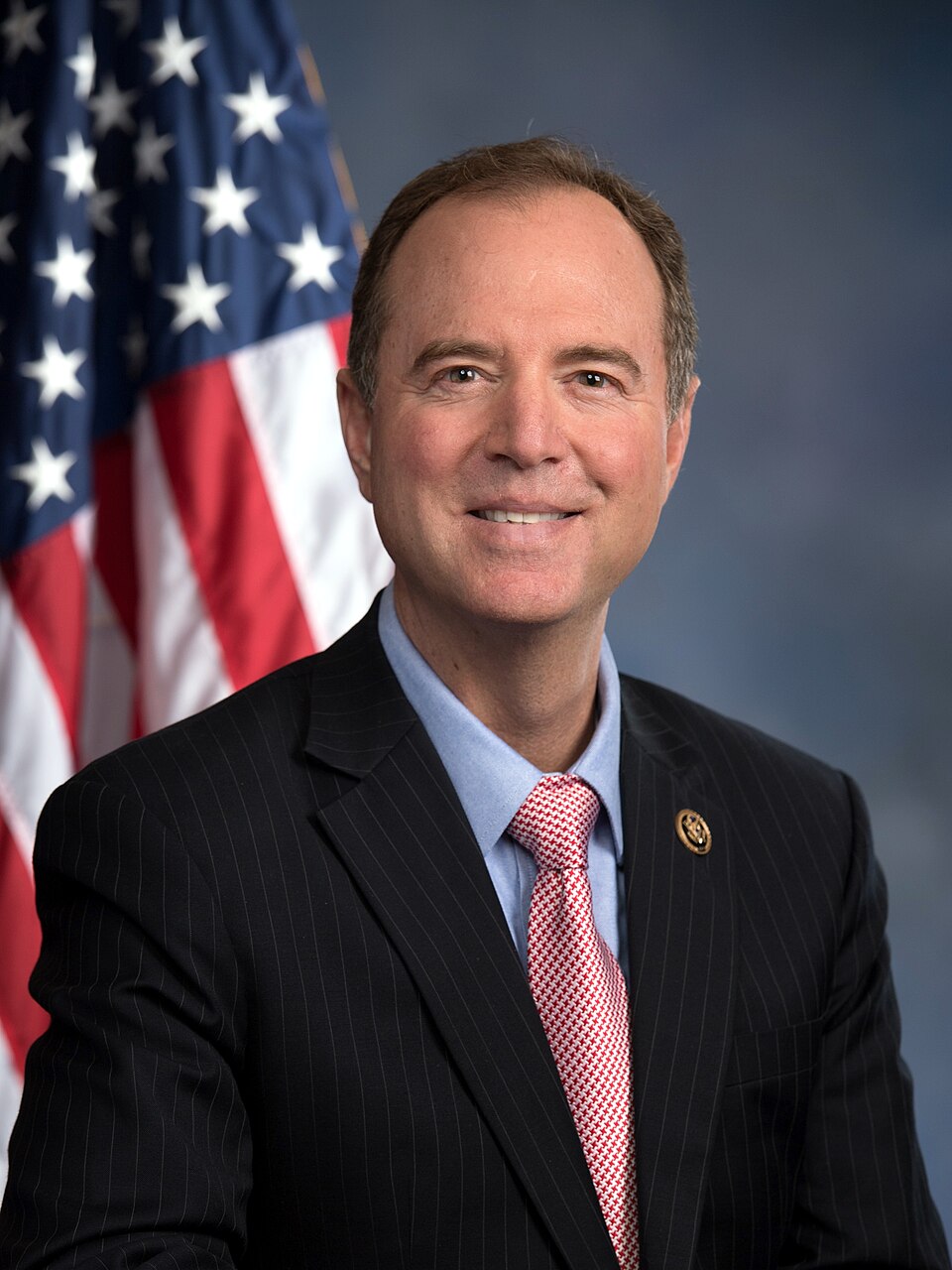
Senate Foreign Relations Committee member Sen. Adam Schiff, D-Calif., criticized the administration's handling of the conflict in a separate interview on 'Meet the Press.'
"When you ask how long this war is going to go on, the secretary can't tell you, the president won't tell you, and it's because not having a clear object in mind when we began this war, it makes it very difficult to tell when its objectives have been accomplished," Schiff said.
Schiff expressed skepticism about the administration's strategy and messaging: "I don't think the war is worth the costs, and it has already unleashed a lot of things that should have been foreseen, like the closing of the strait, like Iran's attack on its neighbors, but it's not clear that the president had a plan for any of this."
The California Democrat also noted that Iran has warned it will strike oil infrastructure of the U.S. and its allies if American forces target Iran's oil facilities, raising concerns about escalation.
What the Right Is Saying
President Donald Trump dismissed concerns about rising gas prices in a phone interview Saturday, telling NBC News: "I think they'll go lower than they were before, and I had them at record lows."
The president added: "There's so much oil, gas — there's so much out there, but you know, it's being clogged up a little bit. It'll be unclogged very soon."
Wright, in his 'Meet the Press' interview, echoed the administration's optimistic outlook. "Americans are feeling it right now. Americans will feel it for a few more weeks," he said, adding that once the war is over, "we'll go to a world more abundant in energy, more affordable in energy, and less risky for American soldiers and commerce in the Middle East."
The energy secretary expressed confidence that China would be a constructive partner in reopening the Strait of Hormuz. "Opening the Strait of Hormuz is even more important for China than it is for the United States," Wright said.
On Saturday, U.S. forces conducted military strikes on Kharg Island, a critical hub for Iran's oil production. Trump said the U.S. "totally demolished Kharg Island" but noted the strikes did not target energy lines, saying rebuilding would take years.
What the Numbers Show
According to GasBuddy data, U.S. gas prices averaged $2.94 per gallon on March 1, the day after the war began. By Saturday, prices had risen to $3.70 per gallon — an increase of 76 cents or roughly 26% since the conflict started.
The Energy Information Administration reports that U.S. crude oil production has remained steady at approximately 13.2 million barrels per day, near record levels.
Three U.S. officials told NBC News that 5,000 additional Marines and sailors are deploying to the Middle East to support operations.
Trump said Saturday that U.S. forces had "knocked out most of their missiles, most of their drones" and destroyed much of Iran's missile and drone manufacturing capacity. The president predicted the operation would be "totally decimated" within two days.
The Bottom Line
Energy Secretary Chris Wright's prediction of sub-$3 gas prices by summer depends on the duration and outcome of the conflict with Iran. Current prices have risen 26% since the war began, and Wright acknowledged that the Strait of Hormuz is not currently safe for ships.
The administration faces pressure from Democrats like Sen. Adam Schiff, who argue there is no clear end date or objective for the war. Meanwhile, Trump and Wright maintain that destroying Iran's military capabilities will ultimately stabilize energy markets and lower prices for American consumers.
What to watch: Whether the Strait of Hormuz reopens, whether Iran retaliates against U.S. allies' oil infrastructure, and whether gas prices begin declining within the "few more weeks" timeframe Wright outlined.