
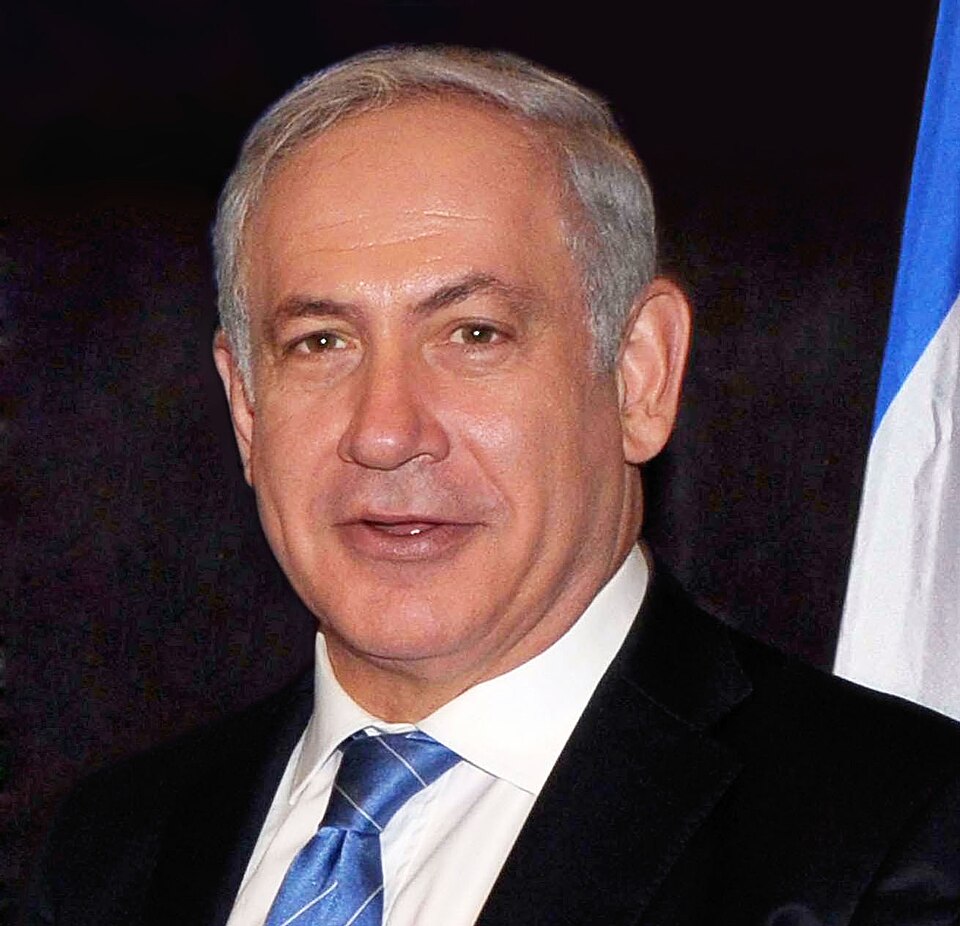
Tucker Carlson, the former Fox News host and influential voice in conservative media, expressed sharp criticism of President Trump's Iran war policy during an appearance on "Piers Morgan Uncensored," saying the president's decision to hand operational authority over to Israeli Prime Minister Benjamin Netanyahu represents a betrayal of the voters who elected him.
"The only people who support this war are those born between 1946 and 1964 who watch a lot of Fox News. That's it," Carlson said, adding that these voters are not the ones who got Trump elected.
Carlson argued that Trump's coalition — which included Hispanic voters, young Black men, Joe Rogan listeners, and non-traditional Republican voters — supported the candidate because he promised not to repeat the foreign policy mistakes of previous administrations. "They voted for Trump because he promised not to keep doing the same thing," Carlson said.
The media personality described the reaction from his own staff and relatives who voted for Trump as one of profound disappointment. "I've talked to a bunch who work for me. I'm related to some. They're all Trump voters, and I talked to them in the last 24 hours," Carlson said. "Boy, they're upset."
What the Right Is Saying
Supporters of Trump's Iran policy have defended the president's approach as necessary for protecting American interests and preventing Iran from acquiring nuclear weapons. Republican lawmakers have largely backed the administration's position, arguing that Iran's nuclear program poses an existential threat to Israel and U.S. allies in the region.
Conservative commentators have pushed back against Carlson's criticism, noting that Trump has delivered on many campaign promises and that foreign policy decisions require flexibility in response to changing circumstances. Some have argued that Carlson, as a media figure rather than an elected official, should not dictate the parameters of presidential decision-making.
Pro-Israel Republicans have emphasized the strategic importance of the U.S.-Israel alliance, arguing that cooperation with Netanyahu serves American interests in the region. These supporters note that Trump has consistently prioritized America's allies and that the Iran policy reflects a broader commitment to countering Iranian influence.
What the Left Is Saying
Progressive Democrats and anti-war activists have long opposed U.S. military involvement in Iran, and many pointed to Carlson's remarks as evidence of growing fractures within the Republican coalition. Progressives have argued that any U.S. war with Iran would replicate the mistakes of past Middle East interventions, draining resources and putting American lives at risk without clear strategic benefit.
Democratic lawmakers have called for Congress to assert its constitutional authority over war powers, with several senators introducing legislation to require explicit congressional authorization before any military action against Iran. Progressive groups have also highlighted the human cost of escalation, noting that expanded conflict in the Middle East could displace millions and destabilize regional allies.
Some progressive commentators noted that Carlson's criticism, while unexpected from a conservative figure, ultimately aligned with long-standing Democratic opposition to unilateral military action and the influence of foreign governments on U.S. policy decisions.
What the Numbers Show
Trump's 2024 coalition was notably diverse, with exit polls showing significant gains among Hispanic voters (approximately 45%, up from 32% in 2020), young Black men (a demographic that shifted toward Republicans by roughly 20 percentage points from previous elections), and first-time voters. These groups represented the core of Carlson's argument about who elected Trump.
Polling data from the months leading up to the Iran policy shift showed that a majority of Americans — 58% in one recent survey — expressed opposition to U.S. military action against Iran without explicit congressional authorization. Among younger voters, opposition was even higher at 67%.
Support for Israel among Republicans has historically been strong, with approximately 72% expressing favorable views in recent polling. However, among the specific demographic groups that comprised Trump's coalition — young voters and Hispanic voters — support for Israel was notably lower, at 51% and 58% respectively.
The Bottom Line
Carlson's public break with Trump over Iran policy highlights the tension between the president's base expectations and his administration's foreign policy choices. The comments from a figure who was once a close ally of Trump illustrate how the coalition that powered Trump's victory includes voters with distinctly different priorities than traditional Republican foreign policy hawks.
The White House has not directly responded to Carlson's remarks, but administration officials have defended the Iran policy as essential to national security. The challenge for Trump may lie in whether he can maintain support among his coalition while pursuing a foreign policy that many of those voters opposed during the campaign.
Carlson hinted at possible political ambitions during the interview, noting he is considering a presidential run specifically to debate Senator Ted Cruz about Zionism. Whether Carlson follows through on that threat could test whether his criticism translates into a broader movement against Trump's Iran policy within the Republican Party.