
A new NBC News poll shows more registered voters now view Israel negatively than positively, a dramatic shift from just a few years ago that is reshaping Democratic primaries and could define the party's 2028 presidential contest.
The survey, conducted Feb. 27 through March 3, found that 40% of registered voters say they sympathize more with Palestinians while 39% side with Israelis — a near reversal from November 2013 when 45% favored Israelis and just 13% backed Palestinians. The change has been especially pronounced among Democrats and independents.
What the Left Is Saying
Progressive Democrats and their allies argue that the shift in public opinion reflects growing recognition of Israel's military campaign in Gaza, which has killed more than 72,000 people according to health officials there. Many progressive candidates have made criticism of Israel a central platform issue.
Democratic pollster Jeff Horwitt, who co-conducted the survey, said the shift marks a turning point. 'Israel may have had major military success in its war against Hamas, but its actions have badly damaged its standing among the American people,' he told NBC News.
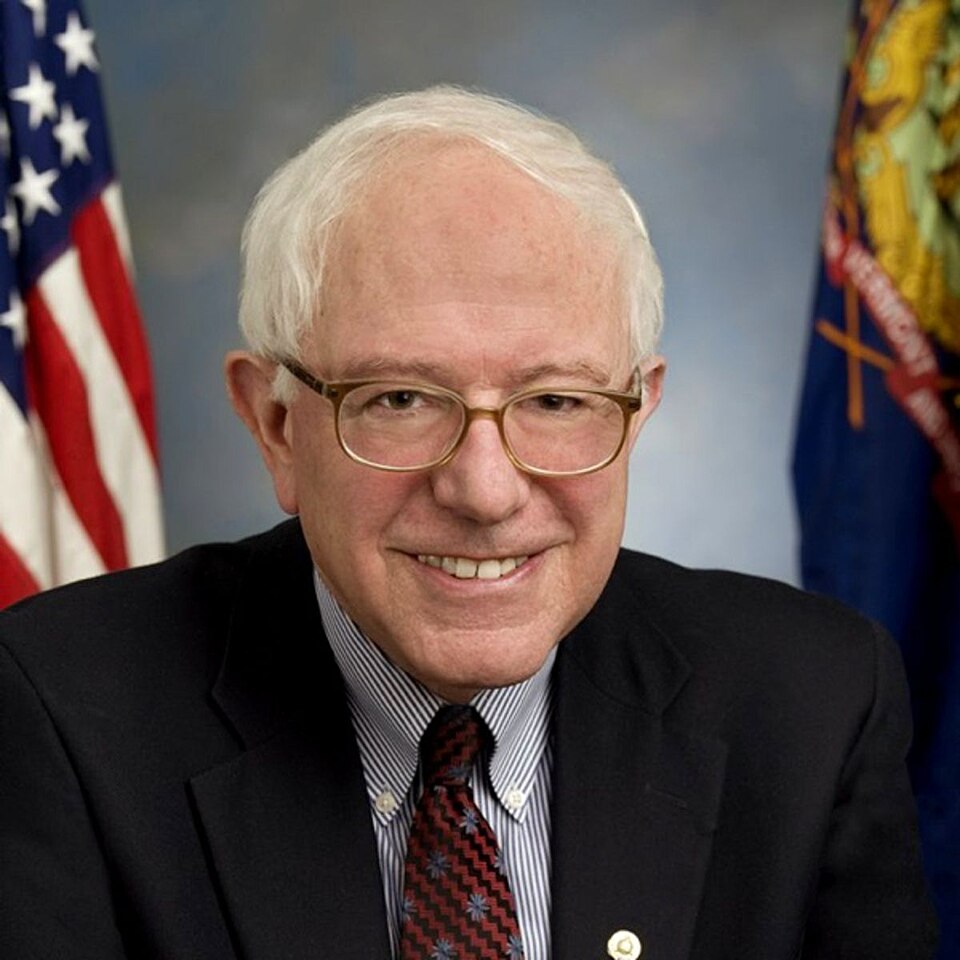
Sen. Bernie Sanders and Rep. Alexandria Ocasio-Cortez have endorsed candidates who call for ending U.S. military aid to Israel, including Junaid Ahmed in a Chicago primary race. Dozens of Democratic members of Congress now support restrictions on American arms sales to Israel.
Progressive groups argue that AIPAC and its allies are using Republican money to undermine Democratic primary voters. 'What was cynically used to divide our party two cycles ago has become the only position that is politically sustainable,' wrote American Priorities, a super PAC formed to counter AIPAC spending.
What the Right Is Saying
Pro-Israel supporters say the shift in Democratic opinion is concerning and dangerous, arguing that unconditional support for Israel remains vital U.S. policy. They point to Hamas' Oct. 7 attack, which killed about 1,200 people and captured 251, as justification for unwavering American backing.
Democratic Rep. Wesley Bell of Missouri said in a video posted by AIPAC: 'I'm proud to stand with our Jewish brothers and sisters and support Israel, particularly in a time that has been very tumultuous. When we see what has happened in the last few years, it's even more apropos for us to stand with our friends and one of our greatest allies.'
AIPAC and its allied super PAC United Democracy Project have spent more than $100 million on federal races over two election cycles, notching key victories in Democratic primaries. UDP has amassed $96 million for the current cycle. AIPAC said early primary results 'demonstrate that support for a strong U.S.-Israel relationship remains both good policy and good politics.'
Republican pollster Bill McInturff, whose firm co-conducted the NBC News poll, noted that the 2028 Democratic presidential primary will be 'fought on very, very different terrain' regarding Israel than any previous contest.
What the Numbers Show
The NBC News poll of 1,000 registered voters has a margin of error of plus or minus 3.1 percentage points. Among Democrats, two-thirds now say they sympathize more with Palestinians — a stark reversal from the party baseline.
Among voters under 35 years old, nearly two-thirds now view Israel negatively, up from 37% in November 2023. Six in 10 young voters say they sympathize more with Palestinians than Israelis.
Israel's positive rating among Democrats has dropped significantly. Nearly 60% of Democrats now view Israel negatively, up from the last poll in November 2023. Among independents, negative views jumped from 22% in 2023 to 48% now.
Two-thirds of Republicans still side with Israelis, similar to 2013 levels. Among all registered voters, 40% now sympathize with Palestinians while 39% favor Israelis.
The Bottom Line
The poll data underscores how Hamas' October 2023 attack and the ensuing Israeli military campaign in Gaza have transformed the political landscape around Israel policy. What was once a consensus issue within the Democratic Party is now dividing primaries and candidates.
The shift is particularly consequential for the 2028 Democratic presidential primary, where candidates will face pressure to take positions that would have been politically untenable just four years ago. Upcoming primaries in Chicago on March 17 will test whether pro-Palestinian or pro-Israel candidates have the upper hand.
Pro-Israel groups continue to spend heavily in Democratic primaries, but their spending has sometimes backfired, galvanizing progressive voters who view the money as outside interference. The battle for the party's future direction on Israel policy shows no signs of subsiding.