
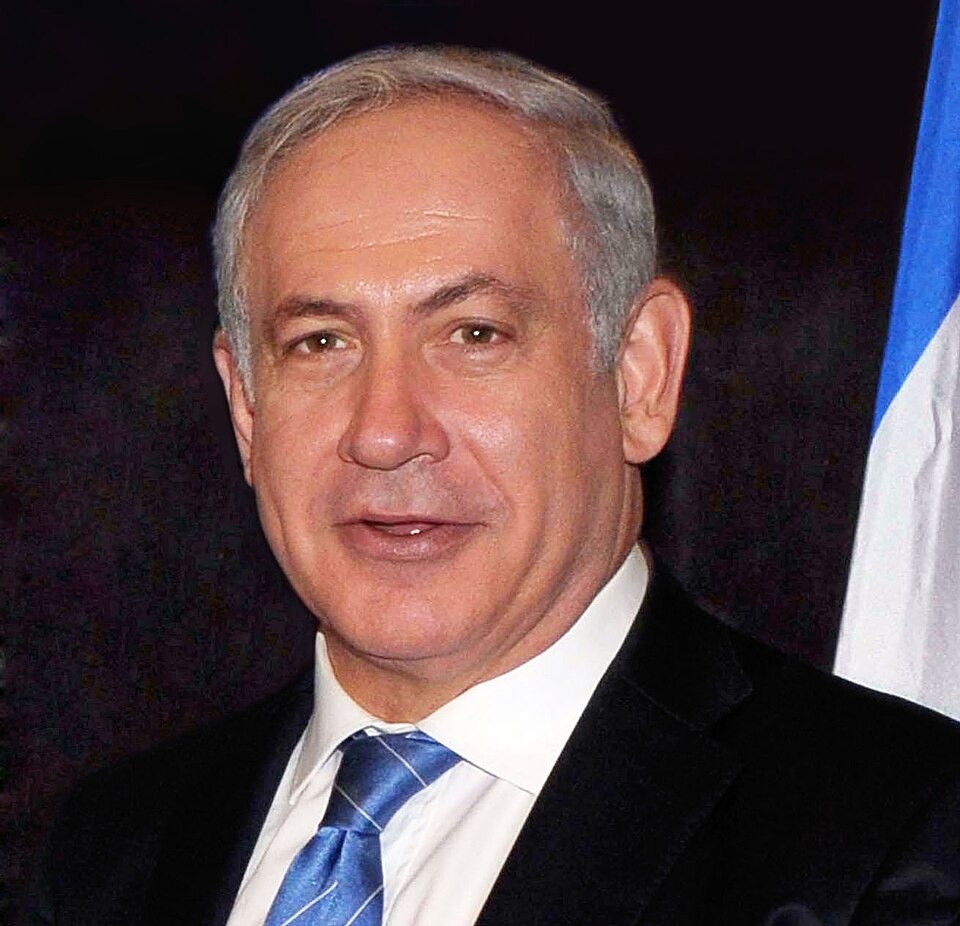
Israel said Tuesday it killed two top Iranian officials in overnight strikes — Ali Larijani, a senior security official widely believed to be running the country amid the widening war, and Gen. Gholam Reza Soleimani, who led the Basij paramilitary force that has crushed mass protests against the Shiite theocracy. Iranian authorities have confirmed Soleimani's death but have yet to comment on Larijani.
What the Right Is Saying
Conservative Republicans have largely supported Israel's right to target threats to its security, viewing the strikes as a legitimate response to Iran's missile attacks and its closure of the Strait of Hormuz. Senate Foreign Relations Committee Republicans have praised what they describe as Israel's strategic approach to degrading Iran's leadership and military capabilities.
Israel Prime Minister Benjamin Netanyahu said the strikes were aimed at weakening Iran's government 'to give the Iranian people the opportunity to remove it.' Some conservative commentators have argued that removing Larijani, who was under U.S. sanctions and implicated in violent repression of protests, represents a strategic victory that could accelerate regime change in Tehran.
What the Left Is Saying
Progressive Democrats and anti-war advocates have expressed concern about the escalating conflict, arguing that deeper U.S. involvement in strikes against Iranian leadership risks broader regional instability. Human rights organizations have noted the Treasury Department's sanctions against both Larijani and Soleimani for their roles in cracking down on anti-government protests, with some arguing that accountability should come through international legal processes rather than targeted killings.
Some progressive lawmakers have called for congressional oversight of any U.S. military participation in operations inside Iran, warning that the expanding conflict could draw in additional regional actors and threaten American personnel stationed across the Middle East.
What the Numbers Show
The Strait of Hormuz handles approximately 20% of globally traded oil. Iran's decision to effectively close the waterway has sent oil prices rising and rattled the world economy, with analysts warning of potential supply disruptions.
The Basij force numbers in the hundreds of thousands and includes military-style brigades, anti-riot police and a vast network of informers. During the 2019 protests, U.S. Treasury officials said Basij forces killed 'hundreds of Iranian men, women and children.' Thousands were killed and tens of thousands detained during the January protests — the bloodiest crackdown since the 1979 Islamic Revolution.
Larijani hails from one of Iran's most prominent political families, often compared to the Kennedys in the United States. One brother, Sadeq, served as head of Iran's judiciary; another, Mohammad Javad, was a senior diplomat who closely advised the late Khamenei on foreign affairs.
The Bottom Line
The killing of Larijani and Soleimani represents another escalation in the three-week-old war, removing two senior figures involved in Iran's military operations and domestic repression. While Iran has confirmed Soleimani's death, Tehran has not commented on Larijani's status. Supreme Leader Ayatollah Ali Khamenei and other top security officials were killed in the initial U.S. and Israeli strikes that began the war, with Khamenei's son Mojtaba — appointed to replace him — not seen in public. Israel suspects he was wounded. The war itself shows no signs of resolution, with Iran's Revolutionary Guard continuing to fire missiles at Israel and Arab Gulf countries.