
Republicans in the Senate are debating the Safeguard American Voter Eligibility Act, also known as the SAVE America Act or SAVE Act, legislation that would require voters to show specified forms of photo identification when casting ballots. President Donald Trump has called the bill essential to winning the midterm elections, and Senate Majority Leader John Thune has argued that Democrats completely oppose voter ID requirements.
The bill would require voters to present passport, birth certificate or other approved documentation when registering, since most forms of photo ID do not indicate citizenship. It would also give the Department of Homeland Security access to state voter rolls for review and require mail voters to include photocopies of their ID with ballots.
What the Right Is Saying
Senate Majority Leader John Thune argued that Democrats oppose voter ID either because it is a Republican proposal or because they believe illegal voting benefits Democrats. 'It kind of feels like the only Americans not to support voter ID requirements are Democrats here in Congress,' Thune said during floor debate.
Republicans have framed the debate around simple questions of verification. They note that Americans must show photo identification to board airplanes or check out library books, arguing similar requirements should apply to voting. Wisconsin Sen. Ron Johnson said the SAVE America Act would 'make it harder to cheat, because Americans do not want their legitimate vote canceled by a fraudulent one.'
The legislation is being marketed as the SAVE America Act, and Republicans argue it addresses a need for stronger election integrity measures. They contend that existing state ID laws vary in strength and that federal standards are necessary to ensure consistent verification across all states.
What the Left Is Saying
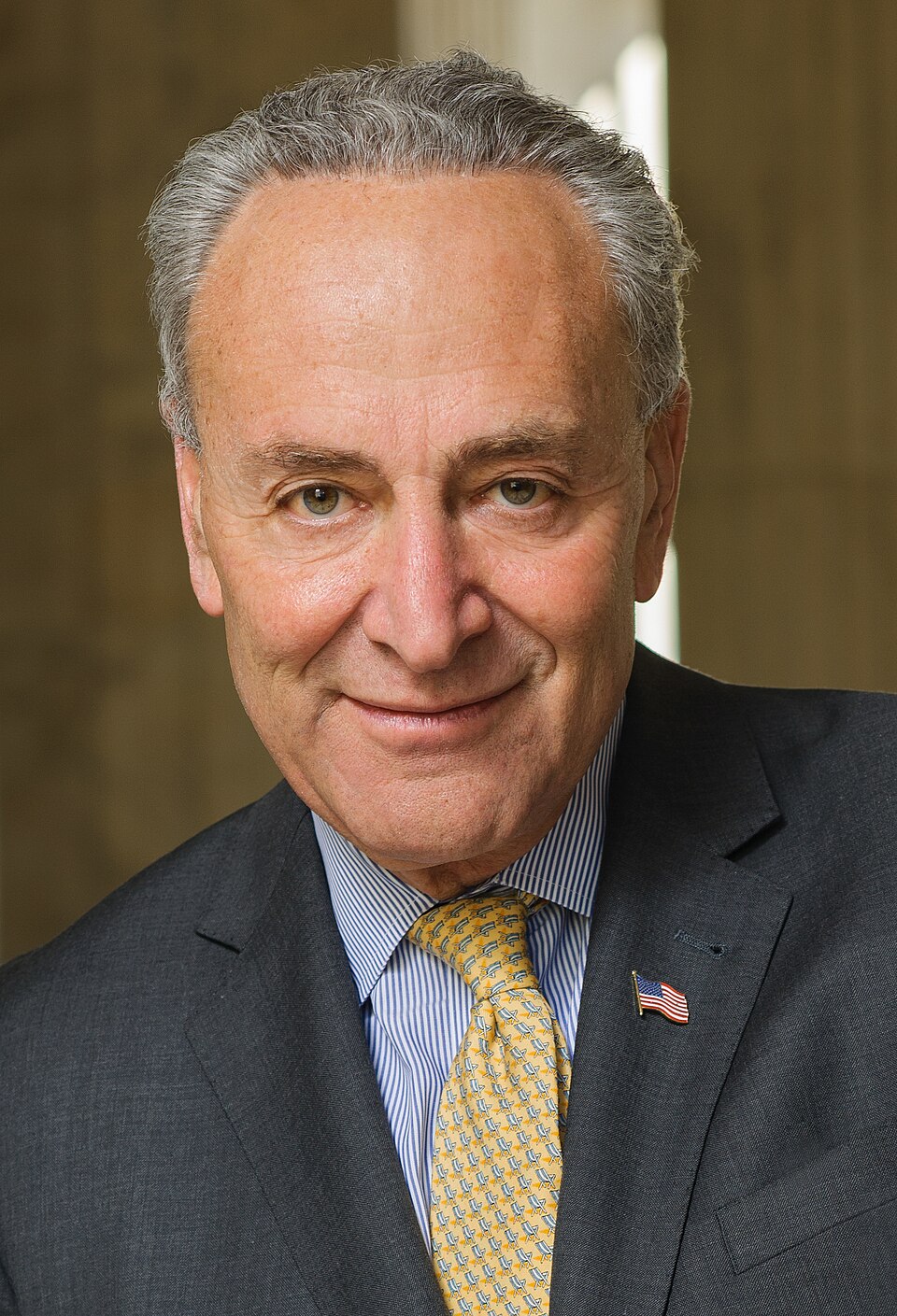
Senate Democratic Leader Chuck Schumer said this week that Democrats are not opposed to voter identification at the polls. 'Our objection as Democrats is not to a photo ID,' Schumer said. 'Our objection is that it's a voter suppression bill.' Democrats have argued for years that requiring identification could disenfranchise voters, particularly those with lower incomes and less education.
Schumer said he might be willing to negotiate on voter ID requirements if Republicans 'define it clearly and properly and easily,' but did not offer specific details. Maryland Sen. Chris Van Hollen said Democrats would support some form of required ID if there were evidence of widespread noncitizen voting, stating, 'If there really were proof of an epidemic of noncitizen voting, we would need to look for ways to prevent that from happening.'
Virginia Sen. Tim Kaine, a Democrat, noted that Virginia already has voter ID laws and questioned why a federal solution is necessary. 'We have voter ID laws, and most states do,' Kaine said during floor debate. Some Democrats have proposed a national identification card that shows proof of citizenship and is free for all citizens.
Matt Weil of the Bipartisan Policy Center said Democrats are generally supportive of voter identification 'as long as there are options.' He noted that when Democrats controlled Congress four years ago, they did not propose eliminating state ID laws but instead suggested loosening some requirements, such as allowing voters without identification to sign sworn statements or using utility bills as proof of identity.
What the Numbers Show
According to the National Conference of State Legislatures, 36 states have some form of law requiring ID at the polls. Of those, 23 states require photo identification while 13 accept non-photo identification. The SAVE Act would require photo identification and could override many forms of ID currently allowed in state laws, including fishing and hunting licenses or college IDs.
A poll by the Pew Research Center in August 2025 found that about 8 in 10 U.S. adults said they favor requiring all voters to show government-issued photo identification to vote. However, Matt Weil of the Bipartisan Policy Center noted that there is 'a lot of ambiguity' around voter ID support, and poll numbers might not reflect support for the specific strict requirements in the Republican bill.
Research indicates that illegal voting by noncitizens is rare. The SAVE Act would require mail voters to include photocopies of their ID with ballots, a provision that could create implementation challenges for states not equipped to process those photocopies.
The Bottom Line
The Senate is currently debating the SAVE Act as Democrats prepare to block the legislation. The core dispute centers not on whether voter ID should exist, but on how strict the requirements should be and what documentation voters must provide. Republicans argue the bill addresses election integrity concerns, while Democrats contend it represents federal overreach that could disenfranchise eligible voters.
Key outstanding questions include whether there is room for negotiation on specific ID requirements and what documentation standards would satisfy both sides. The bill's provisions granting Homeland Security access to state voter rolls and requiring ID photocopies for mail voting remain particularly contentious. Voters concerned about the outcome should track committee action and any potential amendments that could emerge during floor debate.