
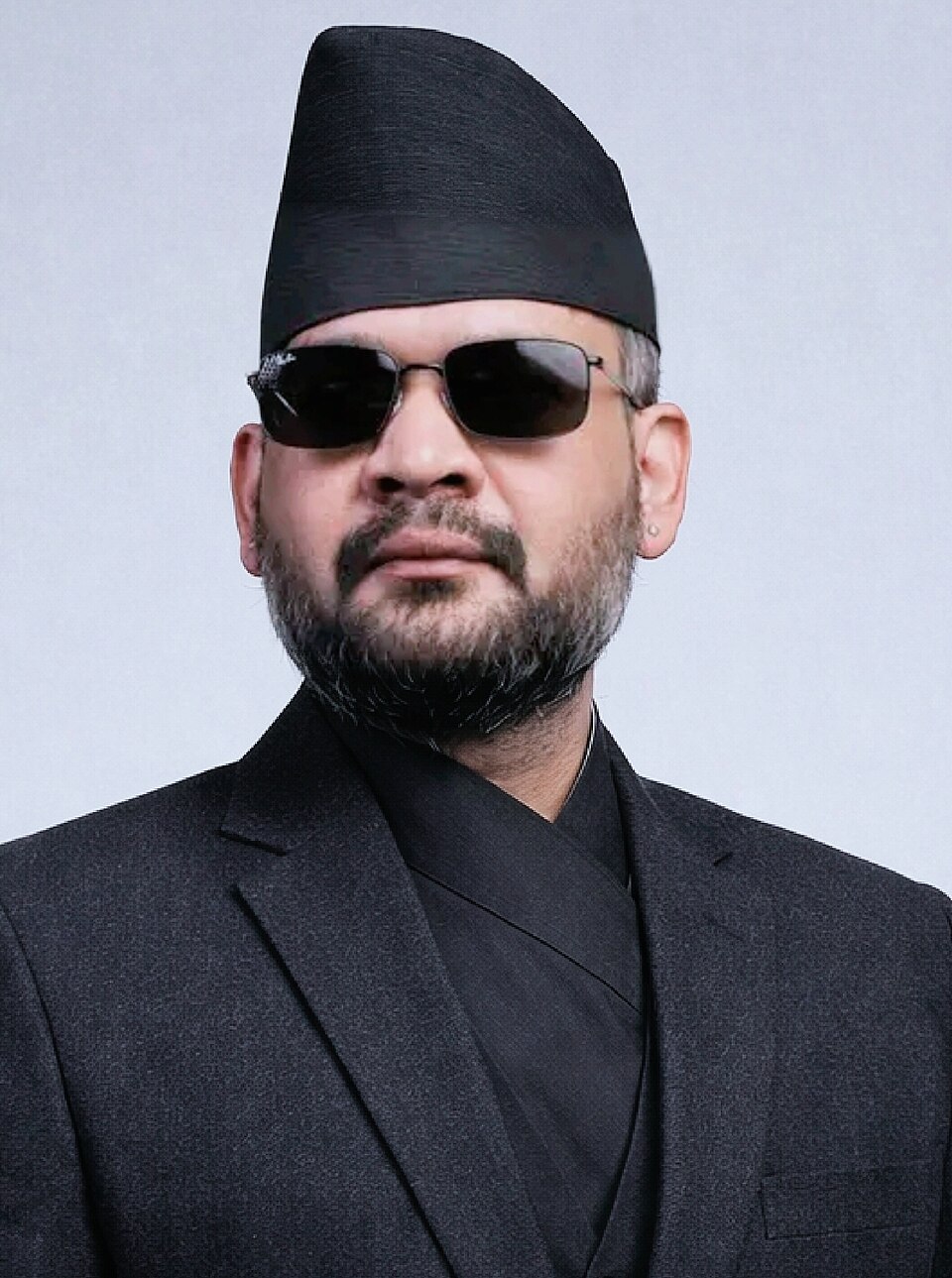
Balen Shah, the young mayor of Kathmandu, has emerged as a symbol of changing political dynamics in Nepal, with his ascent reflecting broader shifts in the nation's civic engagement following years of youth-led protests.
The political trajectory of Shah, who rose to prominence through municipal leadership, illustrates how activist energy from Nepal's streets has begun translating into formal political power at the local level.
This development comes after years of protest movements in Nepal that have pushed for greater political accountability and reform, with young people playing an increasingly visible role in shaping the nation's democratic future.
What the Right Is Saying
Traditional political observers and establishment figures have offered more cautious assessments of Shah's political emergence. Some veteran politicians and analysts suggest that youthful enthusiasm alone does not guarantee effective governance, pointing to the complex nature of Nepal's federal system. Critics within traditional party structures have noted that translating protest energy into sustainable political institutions requires experience and coalition-building. These perspectives emphasize the importance of institutional stability while acknowledging changing voter expectations.
What the Left Is Saying
Progressive analysts and reform advocates in Nepal see Shah's rise as validation of the youth protest movements that have demanded systemic change. Supporters argue that his political success demonstrates that Nepali voters are ready for younger leadership and fresh approaches to governance. Reform-oriented commentators have highlighted how Shah's campaign resonated with urban voters seeking modernization and anti-corruption measures. These voices frame the shift as a natural evolution following Nepal's 2006 democratic transition and subsequent political instability.
What the Numbers Show
Detailed polling data on Shah's political standing and specific election results were not available in the source material. The 2022 municipal elections that brought Shah to office represented a significant test of Nepali federalism, with voter turnout patterns reflecting urban-rural divides across the country. Further data on youth political participation rates and generational shifts in Nepali voting behavior would provide additional context for understanding this political moment.
The Bottom Line
Balen Shah's emergence as a political figure in Nepal represents a tangible connection between years of youth protest movements and formal political power. Whether this marks a lasting shift in Nepali politics or a transitional moment will depend on his administration's performance and how traditional party structures adapt to changing voter expectations. Analysts suggest the coming local election cycles will serve as key indicators of whether youth-led political momentum can be sustained within Nepal's federal system.