
Rep. Alexandria Ocasio-Cortez, D-N.Y., has called on politicians — particularly those within her own party — to pledge not to accept campaign contributions from artificial intelligence companies, arguing that such donations represent buying of influence ahead of the 2026 midterm elections.
The progressive Squad member made the comments in a Thursday post on X, formerly Twitter. 'Politicians — especially Dems — should pledge not to take AI money. They are buying up influence ahead of the midterms, and Dems who take AI $ will lose authority and trust as the public bears the cost,' Ocasio-Cortez wrote. 'Their money will end up being toxic anyway. People are catching on,' she added.
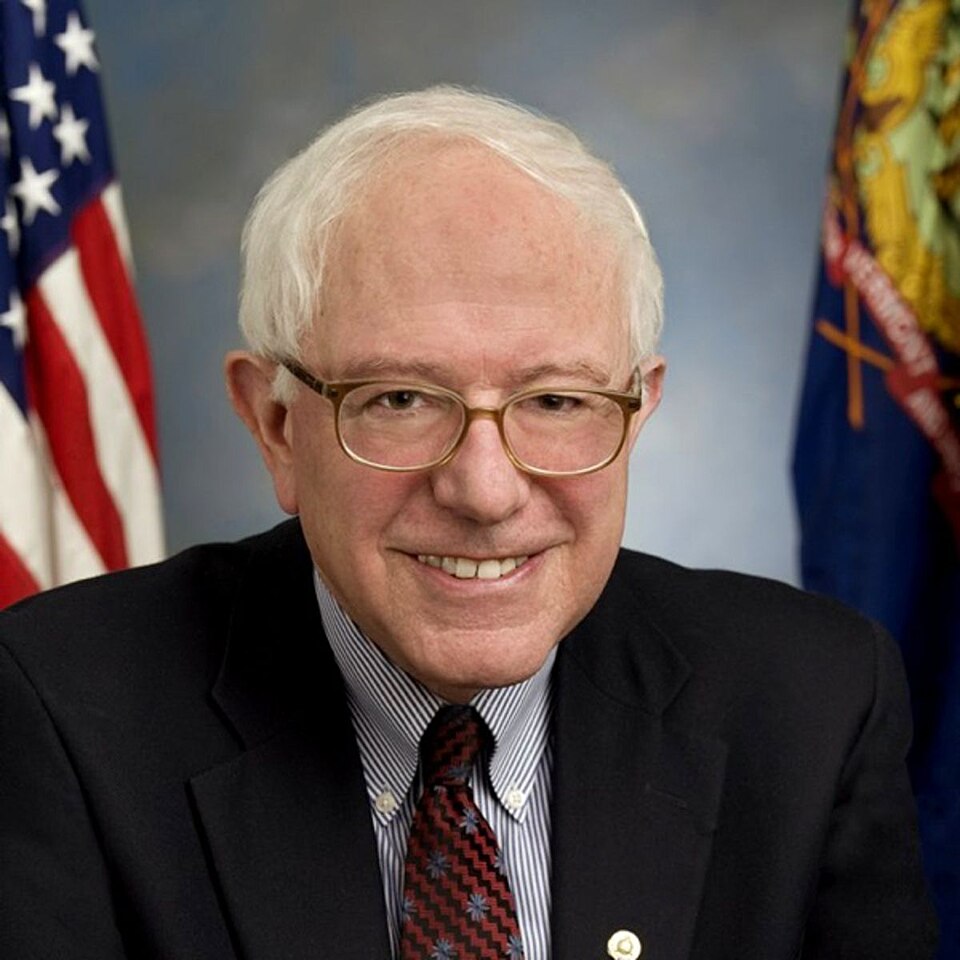
Ocasio-Cortez has been pushing a proposal with Sen. Bernie Sanders, I-Vt., to impose a moratorium on the building and upgrading of artificial intelligence data centers in the United States until various regulations are implemented. 'Our bills learn from our lack of regulation following the similar rise regarding the internet and demands a new approach to AI: One that protects the American people from Big Tech's egregious overreach… one that centers prosperity for the many over exorbitant profits for the very few,' Ocasio-Cortez said during a press conference on Wednesday.
What the Right Is Saying
Moderate and establishment Democrats have pushed back against both the campaign contribution pledge and the broader moratorium proposal, with some arguing that restricting AI development could hand a strategic advantage to China.
Sen. John Fetterman, D-Pa., has been among the most vocal opponents of the moratorium idea. 'The emerging chassis of AI must be built by America. We can put appropriate guardrails in place without handing the win on AI to China. A moratorium is China First,' Fetterman declared in a post on X.
Conservatives have generally supported fewer restrictions on AI development, arguing that excessive regulation could stifle innovation and cede technological leadership to competitors. While the specific campaign contribution debate has not generated extensive conservative commentary, right-leaning commentators have echoed concerns that aggressive AI regulation could harm American competitiveness.
Fetterman's framing positions those supporting a moratorium as being aligned with Chinese interests — a charge that progressives have rejected, arguing their proposals aim to protect American workers and consumers.
What the Left Is Saying
Progressive Democrats have rallied behind Ocasio-Cortez's call to reject AI money, framing it as a matter of maintaining political integrity and protecting working Americans from corporate influence.
Tennessee state Rep. Justin Pearson, a Democrat who is running for U.S. Congress, expressed his agreement with Ocasio-Cortez's position, responding to her post by writing simply: 'Yes!!!!!!!!'
During the Wednesday press conference outlining the moratorium proposal, Ocasio-Cortez laid out conditions for lifting restrictions. 'Once these companies can be on the up-and-up — providing their own energy, building out and investing in the infrastructure, refusing to free ride off of the American people — then we can continue to develop and explore this technology,' she said.
The progressive argument centers on the belief that AI companies are attempting to purchase political influence while externalizing costs onto taxpayers through infrastructure usage and energy consumption. Progressives argue that accepting such donations compromises Democrats' authority to regulate the industry.
What the Numbers Show
The debate over AI money in politics occurs against a backdrop of rapidly growing campaign contributions from the technology sector. While specific figures on AI company political donations are not broken out separately in federal campaign finance reports, the broader technology sector has become one of the largest sources of campaign contributions in recent election cycles.
The AI data center industry has also expanded significantly, with major companies announcing billions of dollars in infrastructure investments. Energy consumption by data centers has become a growing concern, with some estimates suggesting U.S. data center electricity usage could double or triple by 2030.
Public polling on AI regulation remains divided. Some surveys show majority support for government oversight of AI companies, while others indicate concerns about over-regulation hindering American competitiveness.
The 2026 midterm elections will serve as the first major electoral test of these competing arguments, with both sides anticipating that voter views on AI policy could influence results in competitive districts.
The Bottom Line
The debate over AI money in politics represents a growing fault line within the Democratic Party, with progressive members pushing for aggressive restrictions while moderates warn that such approaches could undermine American technological leadership.
Ocasio-Cortez's call for a pledge against AI money signals an effort to establish campaign finance norms within the party ahead of the midterms. Whether such a pledge gains traction remains uncertain, as moderate Democrats have shown willingness to accept technology sector contributions and have expressed concerns about policies that could be characterized as anti-innovation.
The broader moratorium debate is likely to intensify in coming months as Congress considers legislation addressing AI infrastructure, energy consumption, and industry regulation. The outcome could shape not only the 2026 electoral landscape but also the long-term trajectory of American AI development.