
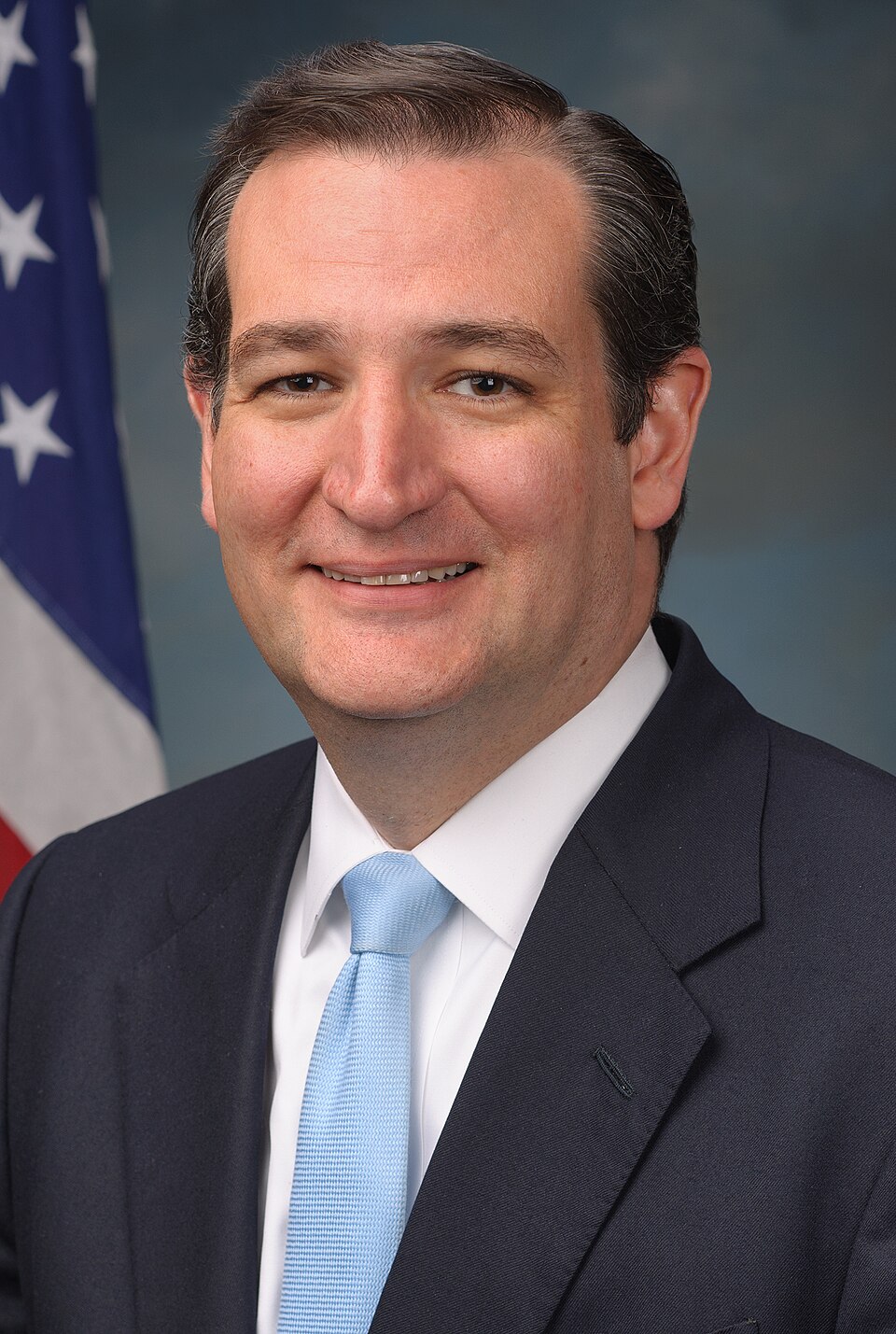
Republican Sen. Ted Cruz warned this week that if Democrats win back control of both the House and Senate in this year's midterm elections, they would pursue an aggressive agenda against President Trump that could include repeated impeachment attempts and blocking key nominations.
In a sit-down interview with Fox News Digital, Cruz argued that if Democrats capture majorities in both chambers, they will prioritize obstructing the Trump administration's agenda. The Texas senator, who won re-election in 2024 and is not on the ballot this year, pledged to be 'all in' helping Republicans hold their slim majorities in both the House and Senate.
What the Left Is Saying
Democrats have dismissed Cruz's warnings as fearmongering, arguing that it is Trump who poses the greater threat to democratic norms and ordinary Americans. Sen. Kirsten Gillibrand of New York, who chairs the Democratic Senatorial Campaign Committee, told Fox News Digital that Trump's agenda is 'hurtful and harmful.'
'President Trump is creating a toxic agenda that's harming people, and they're looking for Democratic leadership to take them out of this nightmare,' Gillibrand said in an interview last month.
Democratic National Committee Rapid Response Director Kendall Witmer offered a counter-message, saying: 'If Democrats take Congress, the Republicans won't be able to give massive tax breaks to billionaires, shutter nursing homes and rural hospitals, bomb foreign countries instead of feeding kids, or turn a blind to Trump's open and egregious corruption.'
What the Right Is Saying
Cruz framed the midterm elections as 'unbelievably consequential' and argued that a Democratic victory would cripple Trump's remaining agenda. He warned that Democrats would use their committee power to launch continuous investigations into the administration.
'If the Democrats take the House, no meaningful legislation will pass for the next two years, and we will see the president impeached over and over and over again,' Cruz said. 'It won't matter what for. They will impeach President Trump just because they hate him, because he is Donald Trump.'
The senator also warned that a Democratic-controlled Senate would block confirmations of Cabinet members and judicial nominees. 'I think these radical Democrats would leave cabinet offices empty, rather than confirm President Trump's nominees,' Cruz claimed.
Cruz argued that Senate Minority Leader Chuck Schumer and progressive Democrats are 'so extreme that if they get a majority, they will do whatever they can to burn it down,' pointing to the legislative agenda passed by Trump and Republicans in Congress as evidence of what Democrats would seek to reverse.
What the Numbers Show
Republicans currently hold slim majorities in both the House and Senate. The party in power in Washington traditionally loses seats in midterm elections, a historical pattern that poses a challenge to GOP efforts to retain control of either chamber.
Economic concerns including persistent inflation, along with public sentiment regarding the conflict with Iran and Trump's approval ratings, are factors that political analysts say could influence voter behavior in November. The historical midterm loss pattern for the ruling party, combined with these headwinds, suggests Republicans face an uphill battle to maintain their majorities.
Cruz is not up for re-election this cycle, but he is positioning himself for a potential 2028 presidential run. He finished runner-up to Trump in the 2016 Republican primaries and considered but ultimately decided against a 2024 White House bid.
The Bottom Line
The midterm elections will determine whether Republicans can maintain their narrow congressional majorities or hand Democrats the power to block Trump's agenda and pursue investigations into the administration. Both parties are framing the election as a referendum on Trump's presidency, with Cruz warning of Democratic obstruction and Democrats arguing that voters should reject what they characterize as harmful Trump policies. The outcome will shape the legislative landscape for the final two years of Trump's term and could determine whether key administration priorities advance or stall.