
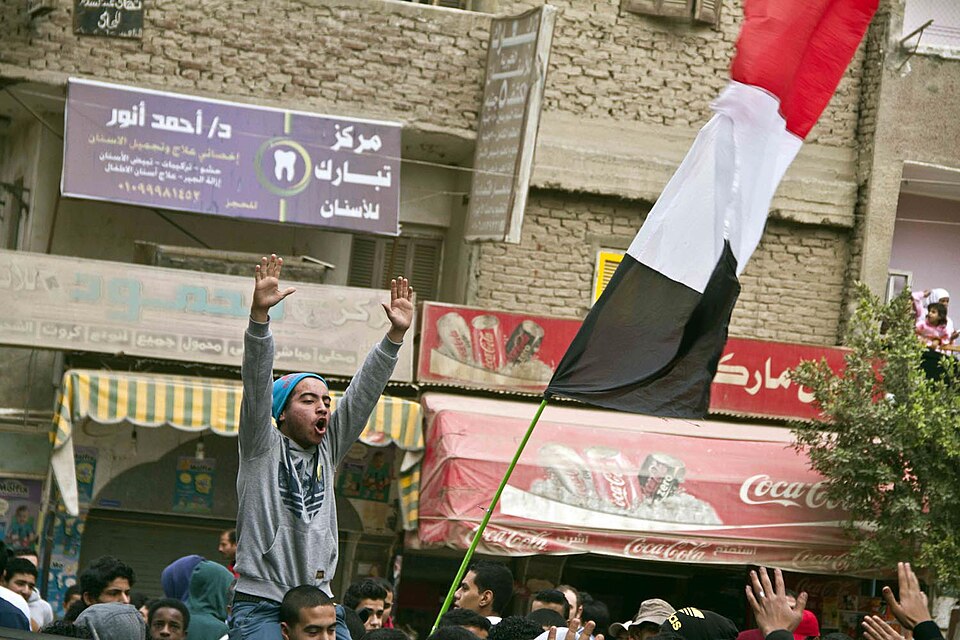
Protesters gathered in central London on Saturday for a march opposing what participants described as the rising influence of right-wing politics, according to Reuters reporting.
The demonstration targeted the growing visibility of conservative and nationalist political movements, though detailed information about the specific policies or figures opposed by participants was not immediately available in initial reports.
Organizers framed the march as a response to recent gains by right-wing parties and politicians across Europe and North America, arguing that such movements threaten civil liberties and social progress.
What the Left Is Saying
Progressive advocacy groups and left-wing organizers have welcomed demonstrations against right-wing political movements, arguing that public opposition serves as a necessary counterweight to policies they describe as harmful to marginalized communities.
Left-leaning voices have pointed to concerns about immigration restriction, reductions in social spending, and what they characterize as attacks on reproductive rights and LGBTQ+ protections under conservative governance.
Activists at similar protests have argued that marching serves a vital democratic function, making clear that significant portions of the public oppose right-wing agendas regardless of electoral outcomes.
Progressive commentators have emphasized the importance of visible grassroots opposition, noting that street-level activism complements electoral work by keeping pressure on political leaders.
What the Right Is Saying
Conservative critics have argued that such protests represent overreach by the political left, suggesting that demonstrations against mainstream conservative parties amount to opposition to democratic outcomes.
Right-leaning commentators have characterized anti-right protests as reflecting elite bias and disconnect from ordinary voters who support traditional conservative policies on economics, crime, and national identity.
Some conservative voices have argued that labeling mainstream right-wing politics as extremist or dangerous misrepresents the views of millions of voters who participate legitimately in democratic processes.
Others have suggested that focus on street protests distracts from what they view as more substantive policy debates, arguing that media attention to demonstrations amplifies voices that do not reflect broader public opinion.
What the Numbers Show
Detailed information about Saturday's protest attendance was not available in initial reporting. Reuters noted that specific numbers of participants and precise policy targets were not immediately disclosed.
The protest occurs amid heightened attention to right-wing political movements across Europe, where several countries have seen gains by conservative and nationalist parties in recent electoral cycles.
In the United Kingdom, polling has shown fluctuating support for right-wing political options, with immigration and economic concerns driving voter preferences in some demographic groups.
Data on protest participation more broadly indicates that demonstrations opposing right-wing politics have drawn varying turnout across European capitals in recent years, with numbers ranging from thousands to tens of thousands depending on local context and triggering events.
The Bottom Line
The London protest reflects ongoing tensions between progressive and conservative political movements, with participants seeking to demonstrate opposition to right-wing politics through public demonstration.
The limited available information about the march — including specific attendance figures and precise policy targets — highlights challenges in reporting on fast-moving political events where initial wire service dispatches contain minimal detail.
Political analysts suggest such protests serve both expressive and strategic functions for the left, signaling grassroots opposition while attempting to influence public discourse ahead of future electoral contests.
What remains clear is that both sides view street-level political expression as meaningful: the left sees it as necessary opposition, while the right characterizes it as elite overreach. The tension between these perspectives is likely to fuel continued demonstrations on multiple sides of the political spectrum.