
New court filings in Utah's case against Tyler Robinson, the suspect in the killing of conservative activist Charlie Kirk, have sparked claims that a bullet analysis has exonerated Robinson. The Bureau of Alcohol, Tobacco, Firearms and Explosives determined that a bullet jacket fragment recovered from Kirk's autopsy was "inconclusive" when compared to a rifle allegedly linked to Robinson.
The defense cited an ATF report dated March 10 in court filings, stating that examiners could not identify whether the bullet fragment was fired from the rifle recovered in the investigation. A March 27 filing from Robinson's lawyers noted the ATF was "unable to identify the bullet recovered at autopsy to the rifle allegedly tied to Mr. Robinson." The ATF report has not been made public.
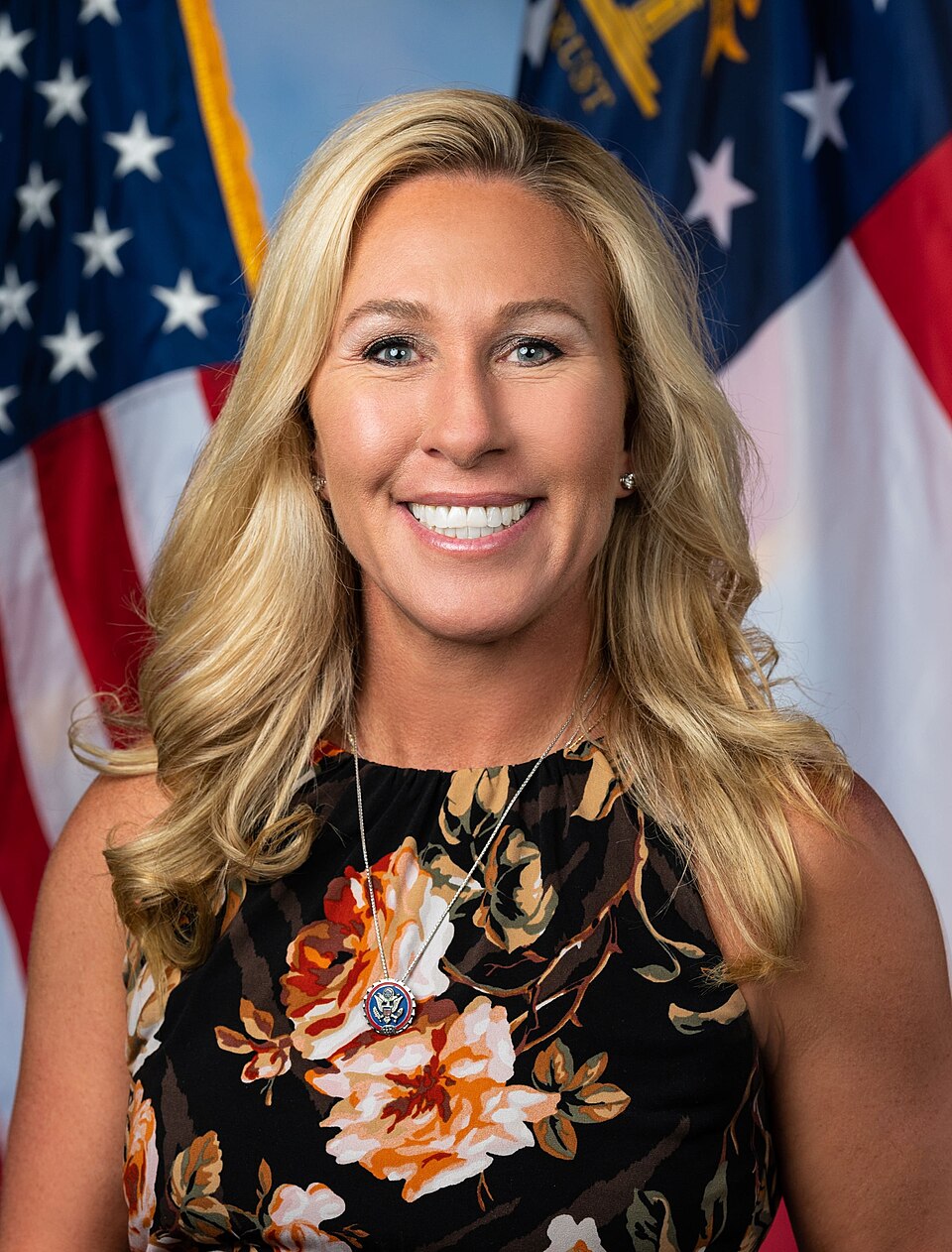
The findings have circulated widely on social media, with some suggesting the inconclusive result proves the rifle was not the weapon used in Kirk's killing. Former Congresswoman Marjorie Taylor Greene and conservative commentator Candace Owens were among those highlighting the news.
What the Right Is Saying
Conservatives have seized on the inconclusive bullet analysis to question whether authorities have correctly identified the perpetrator. Some have suggested the finding raises doubts about the prosecution's case and whether Robinson is indeed responsible for Kirk's killing.
On social media, figures including Marjorie Taylor Greene have highlighted the news as evidence that "far less is known about Kirk's killing than has been reported." Conservative commentators have argued that the public deserves answers beyond what has been disclosed about the ballistic evidence.
Defense attorneys have used the ATF findings in their efforts to challenge the prosecution, with Robinson's legal team requesting that the court disqualify part of the prosecution team. The defense has argued that the uncertain ballistic evidence underscores problems with how the case has been investigated.
What the Left Is Saying
Progressive commentators and some legal analysts have emphasized that an inconclusive ballistic result does not equate to exoneration. Experts quoted by PolitiFact noted that such findings are common in firearm examinations, particularly with high-velocity rifle bullets.
Christopher Ballard, a spokesperson for the Utah County Attorney's Office and part of the prosecution team, wrote in an email that an inconclusive result "does not mean that the rifle did not fire the bullet." He explained that there simply were not enough marks on the fragment to make a determination either way.
Legal analysts on the left have pointed to the additional evidence in the case, including DNA evidence linking Robinson to the rifle and other physical evidence. Some have argued that focusing on the ballistic analysis ignores the broader circumstantial case against Robinson.
What the Numbers Show
Forensic experts say inconclusive results in bullet analysis are common. A 2022 study with a sample of 79 firearm and toolmark examiners found that the average participant reports an inconclusive examination in 20% of casework calls.
The high rate of inconclusive findings with rifle bullets is attributed to the extreme velocity and energy involved. When a bullet travels at high speed, it often becomes severely deformed upon impact, leaving insufficient marks for examiners to compare against test-fired specimens.
ATF firearms examiners are required to identify two confirmation points before reaching a definitive conclusion. They must identify two marks confirming the projectile came from a particular round and was fired from a specific firearm, with a second examiner required to agree with the findings.
In this case, the prosecution has disclosed that the FBI is conducting a second comparative bullet analysis and a bullet lead analysis. Additionally, the charging document includes other evidence: Robinson surrendered to police the day after the September 10 killing; his DNA was found on the rifle's trigger, other parts of the rifle, the fired cartridge casing, and two of three unfired cartridges; and Robinson instructed his roommate to delete text messages related to the killing.
The Bottom Line
The ATF's inconclusive finding on the bullet fragment does not exonerate Tyler Robinson, according to forensic experts. An inconclusive result means examiners could not make a determination rather than ruling out a match. The bullet may simply be too small or deformed for analysis.
The case continues with additional forensic testing underway, including a second FBI bullet analysis. Prosecutors have emphasized that ballistic evidence is only one piece of what will be presented to a jury, with DNA evidence and other physical proof forming the backbone of their case.
What remains clear is that the investigation continues, and both sides will present their interpretations of the evidence at trial. The debate over what the inconclusive ballistic result means is likely to persist until all evidence is presented in court.