
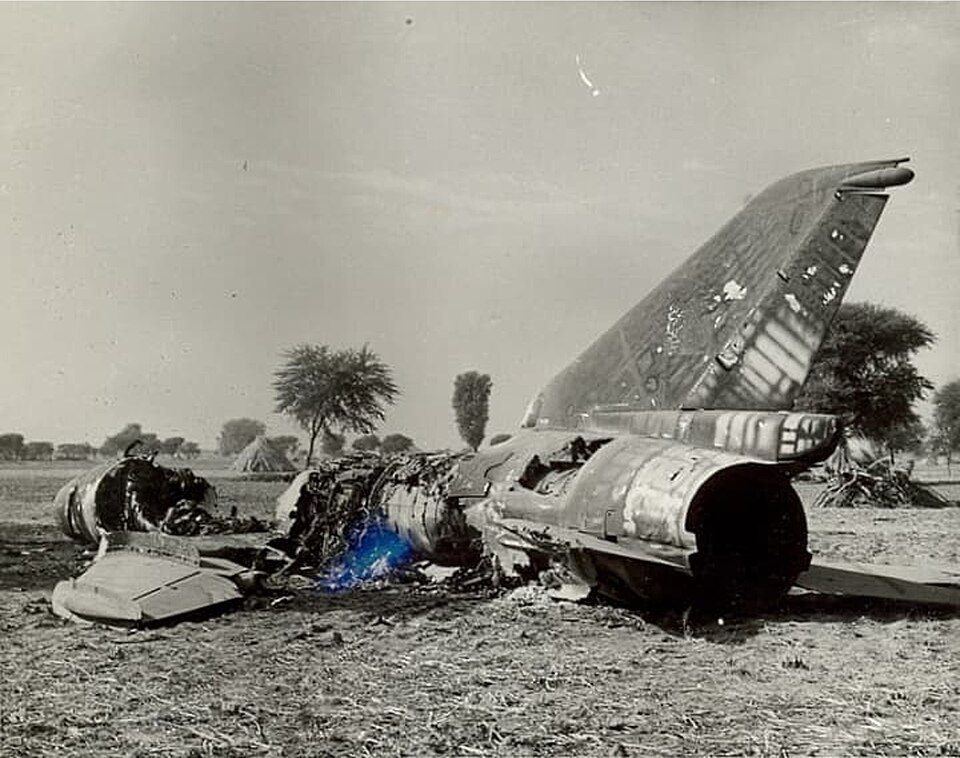
For the first time in five weeks of war with Iran, two American combat aircraft were shot down in separate incidents over Iranian territory, marking a significant escalation in the ongoing conflict.
One of two service members aboard an F-15E fighter jet was rescued during a hazardous search-and-rescue operation. A U.S. military official told PBS NewsHour the whereabouts and status of the second crew member remains either unknown or has not been disclosed. During the rescue mission, a Black Hawk helicopter came under fire but was able to return to base safely. The pilot of an A-10 Warthog, also shot down near the Strait of Hormuz as it was leaving Iranian airspace, was rescued.
The incidents mark the first time U.S. troops were known to be inside Iran since the war began. Israeli airstrikes were halted during the American rescue operation.
Iranian state media announced a bounty for the capture of the U.S. crew members, with residents urged to hand over any captured pilots to police in exchange for a prize. Revolutionary Guard media televised footage showing tribesmen in Khuzestan province actively searching the mountainous terrain.
The downing of the aircraft occurred one day after President Trump announced on social media the bombing of Iran's largest bridge, which Iran says killed at least eight people and injured nearly 100. Iranians gathered for outdoor celebrations on the last day of the Persian New Year near the wreckage.
What the Right Is Saying
Conservative Republicans have praised the military operations as necessary to counter Iranian aggression and dismantle the regime's weapons capabilities. Senate Foreign Relations Committee Republicans have voiced strong support for the administration's campaign, arguing that targeting Iran's infrastructure is essential to degrading its ability to fund terrorism and produce missiles and drones.
Defense hawks have emphasized that the lost aircraft represent the risks U.S. service members face in protecting American interests and allies in the region. They note that one crew member was successfully rescued, demonstrating the effectiveness of U.S. military search-and-rescue capabilities despite operating in hostile territory.
Conservative commentators have defended the targeting of the bridge, pointing to U.S. intelligence assessments that it served as a planned military supply route. They argue Iran has used civilian infrastructure for military purposes, making such targets legitimate. Supporters of the administration's approach say Iran brought these consequences upon itself through years of destabilizing regional activities.
What the Left Is Saying
Progressive Democrats and anti-war advocates have expressed alarm at the escalation of U.S. military operations inside Iran. Congressional Progressive Caucus members have called for immediate briefings on the expanding conflict, questioning the legal authority for operations deep inside Iranian territory. Human rights organizations have raised concerns about the targeting of infrastructure that Iran says was civilian in nature.
Democratic lawmakers have noted that despite U.S. officials claiming the bridge served as a military supply route for missiles and drones, Iranian officials and local construction managers insist it was purely civilian infrastructure with no military presence nearby. The Managing Director of the Karaj Northern Freeway Construction Company called the attack 'the ultimate savagery and hostility of the enemy.'
Progressive critics have pointed to President Trump's warning on social media that 'our military hasn't even started destroying what's left in Iran, bridges, then electric power plants,' arguing such threats against civilian infrastructure could constitute war crimes under international law.
What the Numbers Show
The two aircraft lost on Thursday represent the first American combat jets downed inside Iran since the five-week conflict began. The F-15E is a dual-role fighter capable of air-to-air and ground attack missions, while the A-10 Warthog is designed for close air support.
Iran's bridge collapse killed at least eight people and injured nearly 100, according to Iranian officials. The country has continued its missile and drone barrages against Israel and Gulf neighbors while maintaining control of the Strait of Hormuz, a critical chokepoint for global oil shipments.
A French container ship became the first Western European vessel to transit the Strait of Hormuz in recent weeks, passing through as French President Emmanuel Macron held meetings in South Korea discussing joint efforts to ensure the strait's safety.
The Bottom Line
The downing of two American aircraft marks a significant escalation in the five-week conflict, demonstrating that U.S. operations inside Iranian airspace carry substantial risk. The fate of one F-15E crew member remains unknown, while the successful rescue of other service members highlights both the dangers and capabilities of U.S. military operations.
President Trump has warned of additional attacks on Iranian infrastructure, including electric power plants. War crimes experts have raised concerns about the legal implications of targeting civilian energy facilities, while U.S. officials maintain such targets degrade Iran's military capabilities.
The conflict continues to strain regional relationships, with France actively pursuing diplomatic channels for de-escalation while Iran maintains its chokehold on vital maritime transit. The situation remains fluid as both sides appear to be preparing for prolonged hostilities.