
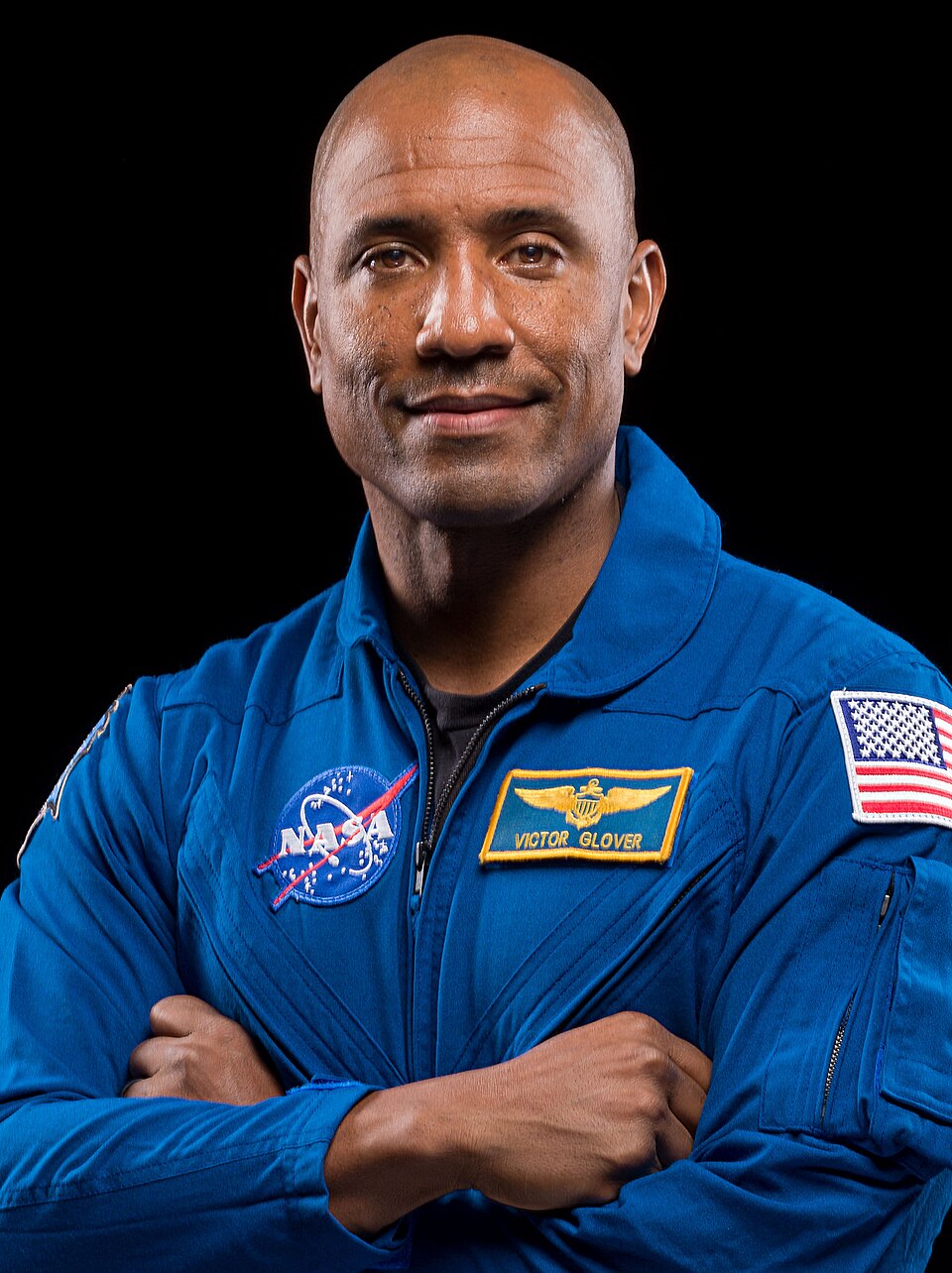
Artemis II pilot Victor Glover delivered a reflection on faith and humanity's place in the universe while traveling toward the moon aboard the Orion spacecraft, offering an Easter message that drew on both scientific observation and personal belief.
The NASA astronaut, who is part of the first crewed lunar mission since Apollo 17 in 1972, paused during the mission to share thoughts about Earth's significance in the cosmos. Glover described viewing Earth from approximately 270,000 miles away as providing a unique perspective on creation and humanity.
What the Left Is Saying
Progressive commentators and some secular observers have pointed to Glover's message as an example of how religious expression in space exploration can coexist with scientific missions. Some progressive voices noted the inclusive nature of Glover's remarks, which acknowledged that not everyone celebrates Easter or believes in God.
Progressive commentators on social media emphasized the value of Glover's call for unity, noting his statement that 'we've gotta get through this together' regardless of religious belief. Some observers suggested the message represented a model for how public figures can express faith while remaining inclusive of diverse perspectives.
What the Right Is Saying
Conservative commentators have praised Glover's openness about his Christian faith during the historic mission. Many on the right viewed the Easter message as a powerful moment of reflection during a significant achievement in American space exploration.
Conservative media outlets highlighted Glover's description of Earth as a 'spaceship' created by God for humanity, with some calling it one of the most meaningful space-related Easter messages ever recorded. Religious leaders on the right called Glover's testimony a reminder of the spiritual dimension of human exploration beyond Earth's atmosphere.
What the Numbers Show
The Artemis II mission represents the first crewed lunar flyby since 1972. The Orion spacecraft is traveling in a lunar trajectory that will take the crew approximately 270,000 miles from Earth at its farthest point. The mission is scheduled to last approximately 10 days.
Victor Glover is one of four astronauts on the Artemis II crew, alongside commander Reid Wiseman, pilot Christina Koch, and mission specialist Jeremy Hansen. The mission serves as a precursor to Artemis III, which aims to land astronauts on the lunar surface.
The Artemis program is funded through NASA's budget, with the total program cost estimated at over $93 billion through 2025. The program represents a collaboration between NASA and international partners including the European Space Agency.
The Bottom Line
The Artemis II mission continues NASA's goal of returning humans to the lunar environment more than five decades after the Apollo program. Glover's Easter message from space highlights how astronauts balance scientific objectives with personal reflection during extended missions.
The inclusive tone of Glover's remarks — acknowledging both those who celebrate Easter and those who do not — represents an approach that some observers say may serve as a model for public figures discussing faith in diverse contexts. The mission's next major milestone will be the actual Artemis III lunar landing, currently targeted for later in the decade.