
The State Department announced Saturday that it has revoked the legal permanent resident status of Hamideh Soleimani Afshar and her daughter, niece and grandniece of slain Iranian Major General Qasem Soleimani. The two women were taken into custody by U.S. Immigration and Customs Enforcement officials following the termination of their immigration status.
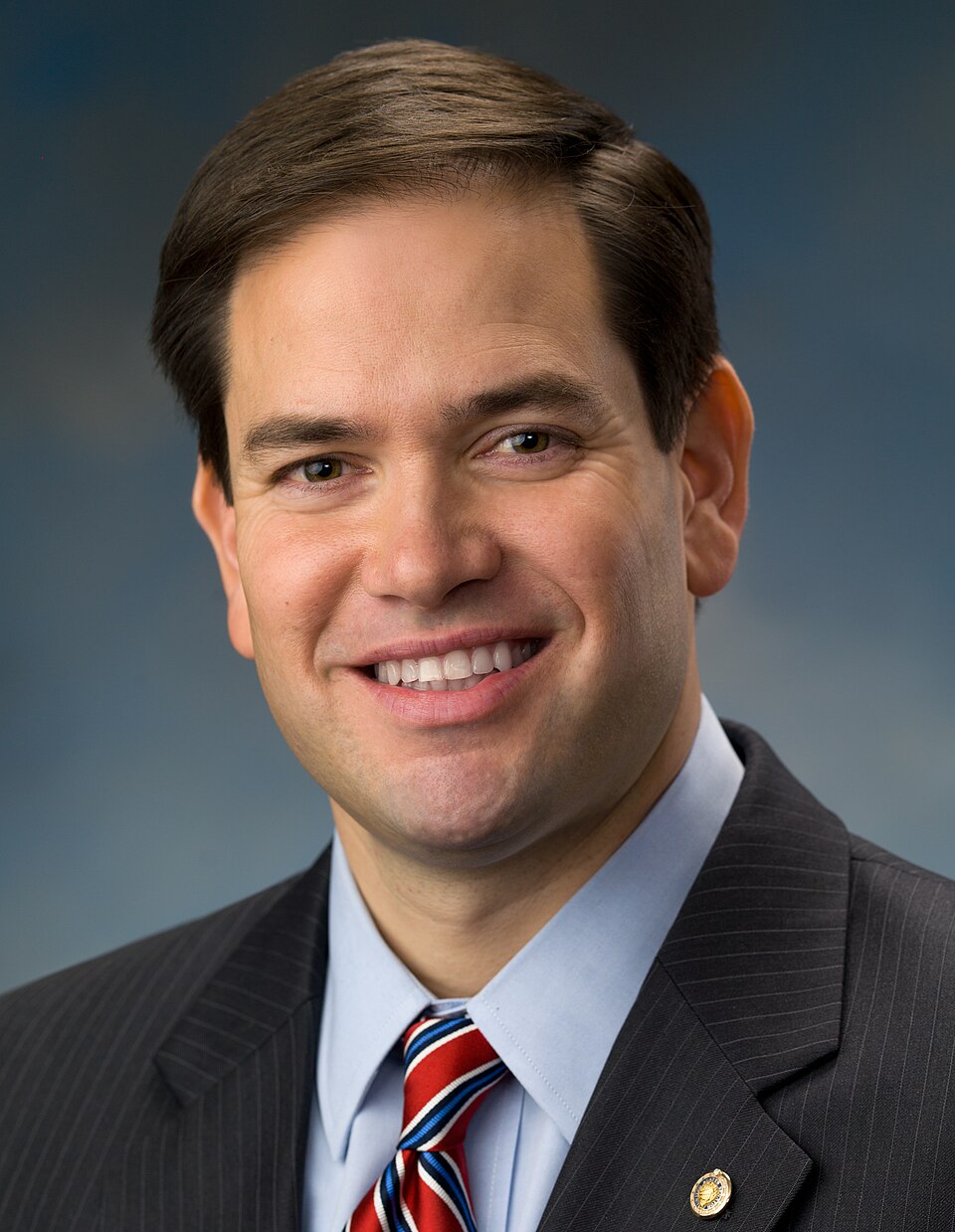
Qasem Soleimani was killed in a U.S. drone strike in Baghdad in January 2020. He was the commander of the Islamic Revolutionary Guard Corps' Quds Force, which the United States has designated as a foreign terrorist organization. Secretary of State Marco Rubio announced the action in a post on his official X account, stating that the women had been living 'lavishly' in the United States while promoting pro-Iranian regime content.
What the Right Is Saying
Secretary Rubio defended the action as a matter of national security, arguing that individuals who celebrate attacks on American military personnel should not be permitted to remain in the United States. In his announcement, Rubio stated that 'the Trump Administration will not allow our country to become a home for foreign nationals who support anti-American terrorist regimes.'
Conservative commentators have praised the move as a necessary exercise of executive authority to protect American interests. The Foundation for Defense of Democracies called the action 'long overdue,' arguing that family members of designated terrorist leaders should not receive the benefits of U.S. residency while promoting hostile foreign regimes.
Republican lawmakers have largely supported the administration's position. Senator Tom Cotton of Arkansas called the revocation 'exactly right' and urged the administration to take similar action against other foreign nationals who promote terrorist organizations. House Foreign Affairs Committee Chairman Brian Mast called it 'a clear message that America is not a safe haven for supporters of terror.'
What the Left Is Saying
Civil liberties advocates and some progressive lawmakers have raised concerns about the legal basis for revoking permanent resident status based on political speech and associations. The American Civil Liberties Union has previously challenged immigration enforcement actions targeting individuals for expressed political beliefs, arguing that lawful permanent residents have due process rights that cannot be circumvented simply because the government disagrees with their views.
Democratic members of Congress have questioned whether revoking green cards based on social media activity sets a concerning precedent. Senator Chris Murphy of Connecticut has noted that while the U.S. government can and does designate foreign terrorist organizations, penalizing individuals for supporting or praising foreign governments—rather than directly engaging in terrorism—touches on First Amendment-adjacent concerns about freedom of expression.
Immigration attorneys have pointed out that green card holders facing removal typically have the right to appear before an immigration judge to contest the grounds for revocation. Some legal scholars suggest that terminating LPR status based on ideological support for a foreign government, absent evidence of actual terrorist activity or material support for terrorism, could face legal challenges.
What the Numbers Show
Hamideh Soleimani Afshar and her daughter are among several Iranian nationals whose legal U.S. status has been revoked in recent months under the current administration. The State Department confirmed that Fatemeh Ardeshir-Larijani, daughter of late Iranian official Ali Larijani, and her husband Seyed Kalantar Motamedi have also had their legal status reversed.
Qasem Soleimani was killed in a U.S. drone strike on January 3, 2020, at Baghdad International Airport. The strike was ordered by then-President Donald Trump and widely celebrated by U.S. officials as a significant blow to Iranian military leadership. Iran's government vowed revenge, and tensions between the two countries escalated in the following weeks.
The Islamic Revolutionary Guard Corps (IRGC) has been designated as a foreign terrorist organization by the United States since April 2019. The designation makes it a crime to provide material support to the group, though First Amendment-protected speech about the organization exists in a legally complex space.
The Bottom Line
The revocation of legal status for relatives of Qasem Soleimani represents one of the most high-profile immigration enforcement actions tied to political speech and foreign policy views. The women are currently in ICE custody pending removal proceedings.
Legal experts will closely monitor whether this case establishes precedent for future actions against green card holders whose public statements are deemed supportive of designated foreign terrorist organizations or hostile foreign governments. The outcome could affect how immigration authorities balance national security concerns against due process rights and freedom of expression protections for lawful permanent residents.
The State Department has indicated that additional revocations of legal status for other Iranian nationals may follow. The women's husband and father, respectively, has been barred from future entry to the United States according to the State Department's announcement.