
A federal judge in Louisiana ruled Tuesday that access to mifepristone, a drug used in medication abortions, will remain available through telehealth appointments for the time being. Judge David C. Joseph granted a request from the Food and Drug Administration to stay the case while the agency completes its own safety review of the medication, which has been available in the United States for more than 25 years.
The case stems from a lawsuit filed by Louisiana against the FDA challenging a 2023 rule change that removed the requirement for an in-person appointment when prescribing mifepristone. The 2023 policy allowed patients to meet with doctors virtually and receive medications through the mail. Louisiana argued that the Biden administration attempted to undermine the Supreme Court's Dobbs decision by facilitating the mailing of mifepristone into states with abortion bans. Judge Joseph, a Trump appointee, determined that the state had standing to bring the case but said the FDA possesses the expertise to evaluate scientific evidence and make public health judgments.
What the Right Is Saying
Anti-abortion advocates have welcomed the legal challenge to telehealth abortion access, arguing that removing the in-person requirement endangers patients. Louisiana resident Rosalie Markezich is named as a plaintiff in the case, alleging she was coerced by her boyfriend to take abortion drugs ordered through a mail-order telemedicine appointment in October 2023.
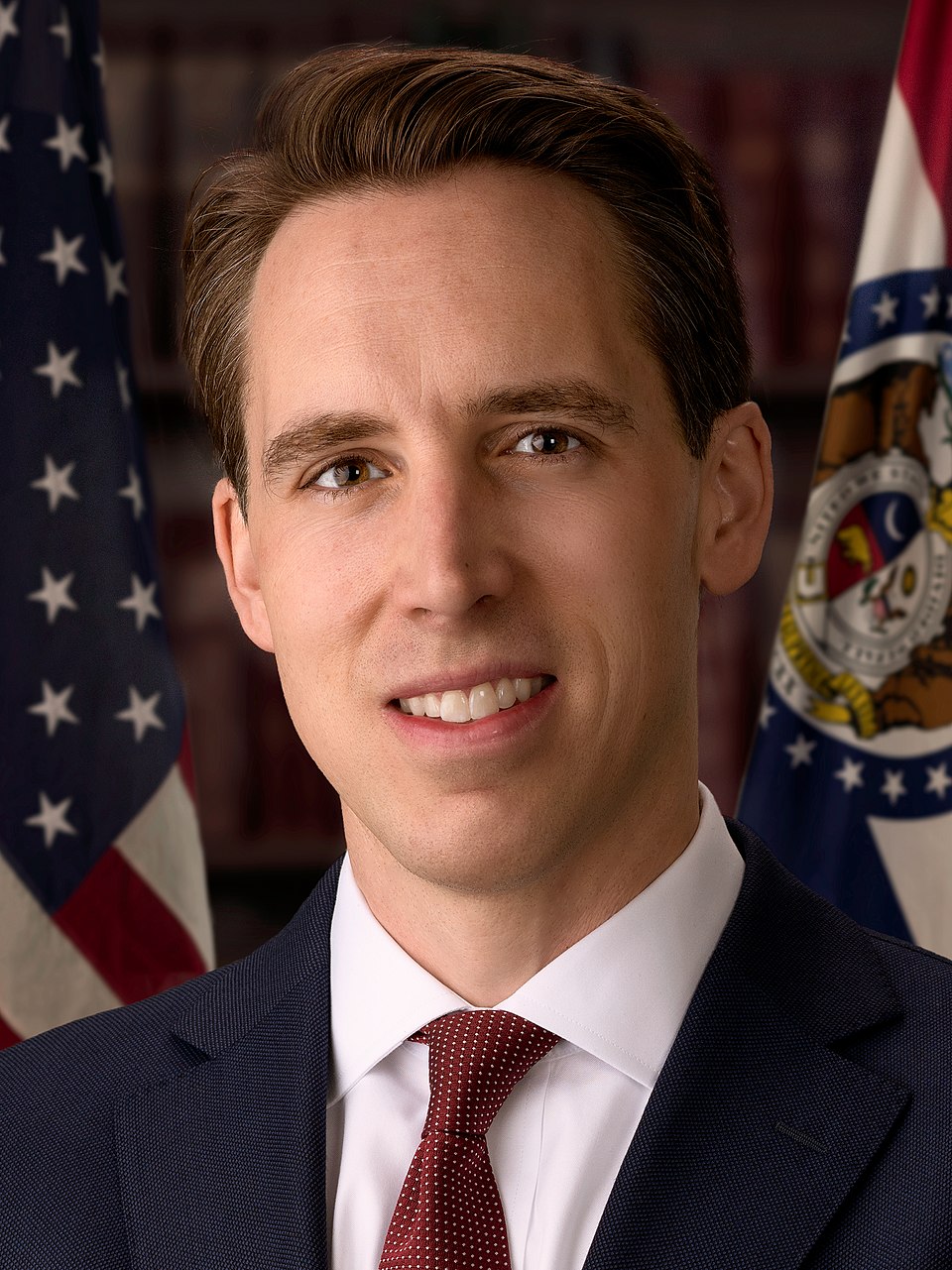
Sen. Josh Hawley, R-Mo., has introduced legislation to remove the full approval of mifepristone, and Sen. Bill Cassidy, R-La., has announced an investigation into the drugmakers behind mifepristone. Congressional Republicans have become more aggressive about placing restrictions on the drug in recent weeks, reflecting pressure from anti-abortion groups within the party.
Ziegler noted that Louisiana has been at the forefront of anti-abortion legal strategies, becoming the first state to schedule mifepristone as a controlled substance and to criminally indict an out-of-state physician providing telemedicine abortion. She said the state is trying to be more strategic after legal setbacks, including a mifepristone case that the Supreme Court unanimously rejected in 2024. 'Focusing on the in-person dispensation requirement is more politically modest-seeming,' she said.
What the Left Is Saying
Abortion rights supporters and medical providers say telehealth abortion access has been critical for patients in states with restrictions. Mary Ziegler, a legal history professor at the University of California, Davis, said the case represents an effort by anti-abortion groups to force a more absolute position on abortion restrictions. 'Abortion opponents are trying to force the president and Congress into more of an absolute stand instead of letting them fudge their position as they have, to some degree, to date,' Ziegler said.
E., a 31-year-old resident of New Orleans who had two abortions via telehealth since Louisiana's abortion ban took effect in 2022, said living in a state that restricts abortion 'does feel just very depressing, like your government hates you.' She requested NPR use only her first initial because she fears legal repercussions. 'I chose this Louisiana, not you, on my clock and my time,' she said.
The Guttmacher Institute, a nonprofit research organization that supports abortion access, reported that 91,000 patients in states with bans received telehealth abortions in 2025. The organization found that the total number of abortions in the U.S. remained virtually unchanged at 1.1 million in 2025 compared to the previous year, demonstrating that bans do not eliminate access but rather shift how and where abortions occur.
What the Numbers Show
Telehealth abortions now account for more than one in four abortions in the United States, representing a significant shift in how patients access medication abortion since the 2023 FDA rule change. In Louisiana specifically, Guttmacher Institute data shows approximately 2,500 abortions in 2023, rising to more than 9,000 last year despite the state's abortion ban.
The total number of abortions in the U.S. was approximately 1.1 million in 2025, virtually unchanged from the year before, according to Guttmacher. This finding aligns with global health research showing that countries with abortion bans tend to have similar abortion rates to those without restrictions, though bans make procedures more difficult to obtain.
Judge Joseph ordered the FDA to provide updates on its safety review progress in six months. The Trump administration's FDA had asked for the stay, signaling it would take a harder line on mifepristone access than the Biden administration, potentially reversing some of the 2023 telehealth provisions.
The Bottom Line
The judge's decision keeps telehealth abortion available for now but does not resolve the underlying legal questions about mifepristone prescribing rules. The six-month timeline for the FDA's safety review means the case will likely remain in flux through much of 2026. President Trump faces competing pressures from anti-abortion Republicans who want aggressive restrictions and from independent voters who favor abortion rights. The case highlights a divide within the GOP over how quickly and how far to push abortion restrictions, with some party members advocating for immediate action while others prefer a more cautious approach.
Medical providers and abortion rights advocates will watch the FDA's review process closely, as any changes to mifepristone prescribing rules could affect access for hundreds of thousands of patients nationwide. The next six months will likely see continued legal and political maneuvering as both sides prepare for what comes next.