
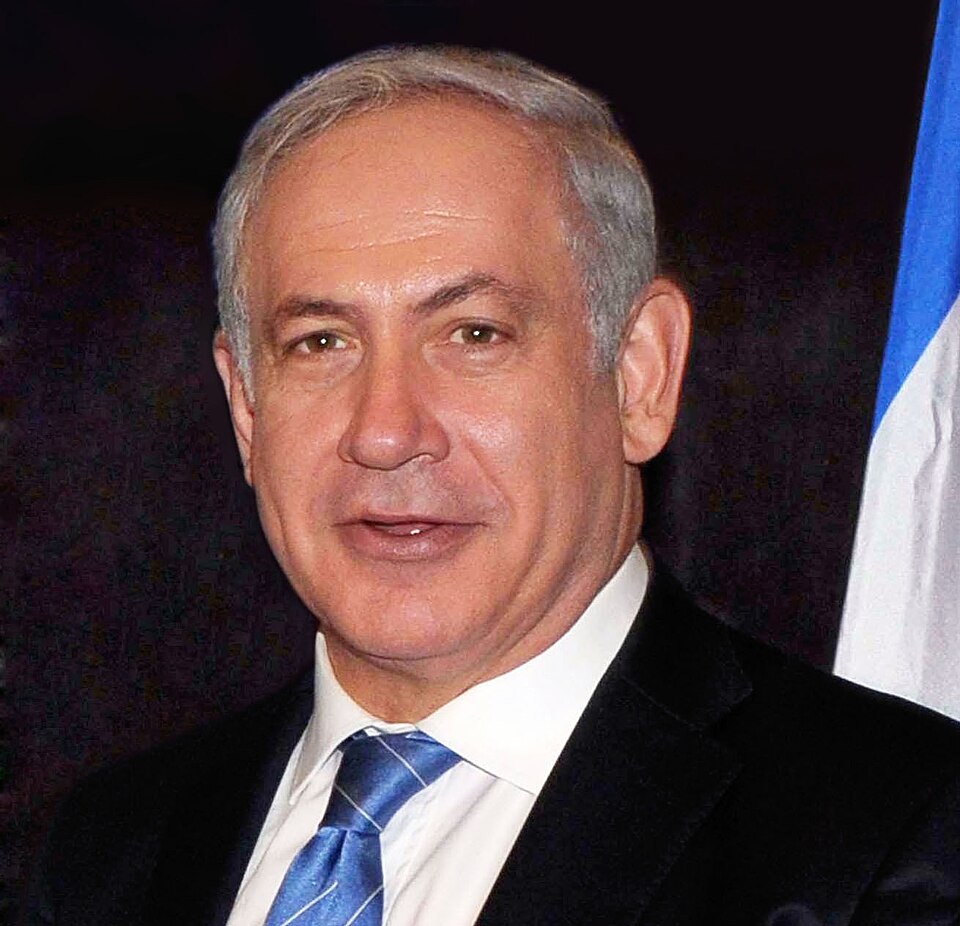
New York Times columnist Thomas Friedman appeared on CNN's 'Smerconish' program this past Saturday to discuss the ongoing conflict involving Iran, expressing what he described as a conflicted position on whether he wants to see the United States and its allies succeed militarily.
During the interview, Friedman stated that he 'really want[s] to see Iran defeated militarily' because the Iranian regime is 'terrible for its people and the region.' However, he immediately added that he struggles with supporting a victory that would politically strengthen Israeli Prime Minister Benjamin Netanyahu and former President Donald Trump, both of whom he characterized negatively.
The comments have ignited a broader conversation about the intersection of partisan politics and foreign policy priorities, particularly regarding how voters across the political spectrum view the conflict in the Middle East.
What the Left Is Saying
Progressive commentators and some Democratic strategists have defended Friedman's stance, arguing that leadership matters when evaluating foreign policy outcomes. Some on the left have noted that Friedman's concerns about Netanyahu reflect longstanding disagreements within the Democratic Party over Israeli policy, particularly regarding settlements in the West Bank and the handling of the Gaza conflict.
Progressive critics argue that unconditional support for any U.S. military action without scrutiny of its political consequences would be irresponsible. They point to Friedman's decades of foreign policy expertise and argue that his willingness to articulate a nuanced position reflects the kind of serious debate that should characterize discussions about war and peace.
Some progressive voices have also noted that Friedman's criticisms of Netanyahu are shared by many mainstream Democrats, including those who have called for conditions on U.S. aid to Israel or supported the normalization of relations between Israel and Arab states without preconditions tied to Netanyahu's government.
What the Right Is Saying
Conservative critics have sharply condemned Friedman's comments, arguing that prioritizing political opposition to Trump and Netanyahu over the defeat of a regime they describe as a sponsor of terrorism represents a fundamental failure of priorities. Critics have used phrases like 'the paralyzing pathology of the modern Left' to describe his position.
Senator Tom Cotton, R-Arkansas, was among those who criticized the perspective, arguing that partisan considerations should never supersede national security interests. Conservative commentators have also noted Friedman's extensive history of criticizing Netanyahu, including past columns comparing the Israeli prime minister to a 'dog' and an 'alcoholic,' language that some have called deeply offensive.
Conservative media outlets have framed Friedman's comments as evidence of a larger trend among liberal pundits to prioritize political opposition over American interests abroad. Critics argue that the survival of a regime they describe as 'genocidal and terror-sponsoring' should not be acceptable under any circumstances, regardless of who might benefit politically.
What the Numbers Show
Iran remains designated as a state sponsor of terrorism by the United States Department of State. The country has been under various U.S. sanctions since 1979, with sanctions significantly expanded during both the Trump and Biden administrations.
Public polling on U.S. policy toward Iran has shown varying support depending on how questions are framed. A 2025 Pew Research Center survey found that 62% of Americans supported maintaining or increasing sanctions on Iran, while 54% expressed concern about Iran's nuclear program as a major threat to U.S. interests.
Regarding Israel, a 2025 Gallup poll found that 54% of Americans expressed sympathy for Israel in the Israeli-Palestinian conflict, while 28% sympathized with the Palestinians. However, partisan divides were significant: 78% of Republicans expressed sympathy for Israel compared to 38% of Democrats.
The Bottom Line
Friedman's comments highlight the deep partisan divisions over foreign policy in the United States, particularly regarding how to evaluate conflicts involving both U.S. allies and adversaries. His willingness to articulate a 'torn' position reflects broader debates within the Democratic Party about the relationship between progressive values and support for Israel.
The controversy underscores how foreign policy has become increasingly intertwined with domestic political considerations. Both sides of the debate appear to agree that Iran's regional behavior is problematic, but they differ sharply on whether political considerations should factor into support for U.S. military action.
What remains clear is that the intersection of Middle East policy and American partisan politics will continue to be a contentious issue, with both sides accusing the other of putting political interests above either human rights or national security. Future developments in the conflict will likely keep this debate at the forefront of political discourse.