
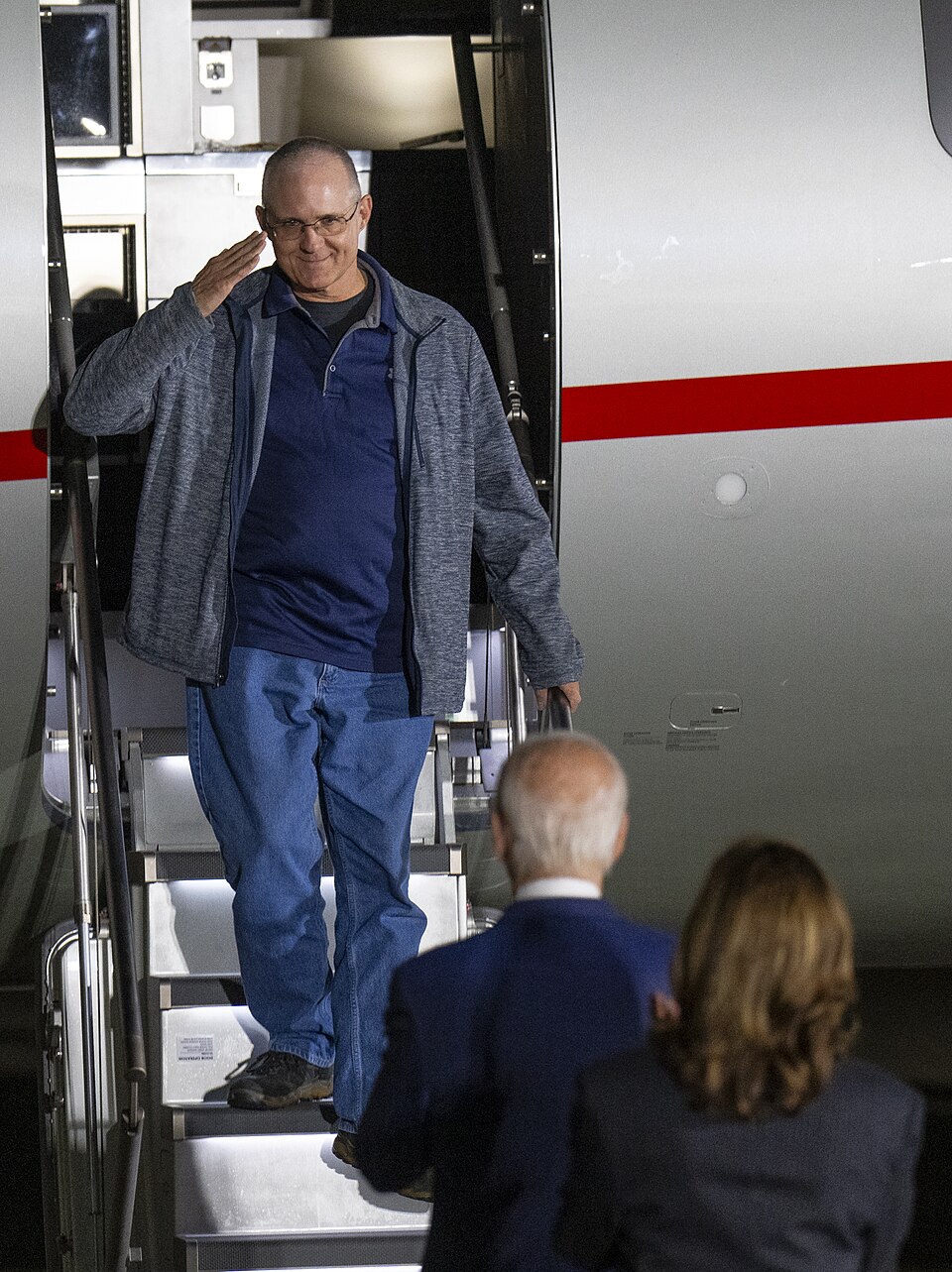
Ryan Fayhee, a lawyer representing Abdolreza "Reza" Valizadeh, an American citizen detained in Iran for more than a year, says securing the release of Americans held by Tehran could be the simplest path forward in ongoing negotiations between the United States and Iran.
Valizadeh, 49, is one of six Americans currently detained in Iran, though only two have been publicly identified. He and 61-year-old Kamran Hekmati both hold dual Iranian-American citizenship and are being held in Iran's notorious Evin Prison. Valizadeh was arrested in September 2024 during a visit to see family and was sentenced after being convicted of working with a "hostile government."
What the Left Is Saying
Human rights advocates and progressive foreign policy observers have emphasized the urgency of securing Valizadeh's release, arguing that diplomatic negotiations must prioritize American citizens wrongfully detained abroad.
"It is my job as Reza's lawyer to make sure that it doesn't get lost," Fayhee told Fox News Digital. "While I have high confidence that this is part of the negotiations, even though the administration hasn't stated so publicly… it is officially my job to make sure it remains part of those conversations."
In February, the State Department designated Iran a "State Sponsor of Wrongful Detention" for arbitrarily arresting Americans to use as bargaining chips in future negotiations. Secretary of State Marco Rubio called the practice "abhorrent" and said it "must end."
Advocates for the detainees have pointed to Iran's isolation following its missile strikes on Arab neighbors and increased Western pressure as factors that could incentivize Tehran to release the hostages as a goodwill gesture.
What the Right Is Saying
Conservative lawmakers and Trump administration officials have taken a firmer stance, arguing that Iran must face consequences for holding American citizens and should not be rewarded diplomatically without releasing all detainees.
"President Trump has been clear that he wants every American wrongfully detained to be returned home safe and sound, and that there will be dire consequences for regimes who treat Americans as political pawns," a White House spokesperson told The Associated Press.
Vice President Vance has warned that Iran will "find out" Trump is "not one to mess around with" if a ceasefire deal falls apart. On Monday, President Trump said he was under no pressure to make a deal with Iran, writing on Truth Social that "it will all happen, relatively quickly!"
Former U.S. Special Presidential Envoy for Hostage Affairs Roger Carstens has noted the challenge of negotiating with Iran, saying that unlike Russia, China, or the Taliban, Tehran has a history of deception in hostage discussions and does not always stick to promises made.
What the Numbers Show
Six American citizens are currently detained in Iran, though only two have been publicly identified: Abdolreza Valizadeh, 49, and Kamran Hekmati, 61. Both men hold dual Iranian-American citizenship.
Valizadeh has been detained for more than one year, arrested in September 2024. He previously worked as a journalist for Radio Farda, the Iranian branch of U.S.-funded Radio Free Europe/Radio Liberty, and reported on the 2009 pro-democracy protests in Iran.
The State Department's February 2026 designation of Iran as a "State Sponsor of Wrongful Detention" added extra layers of isolating tools, including sanctions and travel restrictions. The IDF has issued evacuation warnings for residents living near Evin Prison amid continuing airstrikes.
The Bottom Line
The release of American hostages in Iran remains a key humanitarian concern as diplomatic talks continue amid an uncertain ceasefire. While the lawyer for Valizadeh argues releasing the detainees would be "low-hanging fruit" that could build trust between both sides, a second round of U.S.-Iran talks has stalled with no clear path to resolution. The Trump administration has maintained that there will be consequences for regimes holding Americans, while Iran faces increasing international isolation following its recent military actions.
What to watch: Whether hostage release becomes a condition in any future ceasefire or diplomatic agreement, and if Iran uses the detainees as a bargaining chip to ease international pressure.