
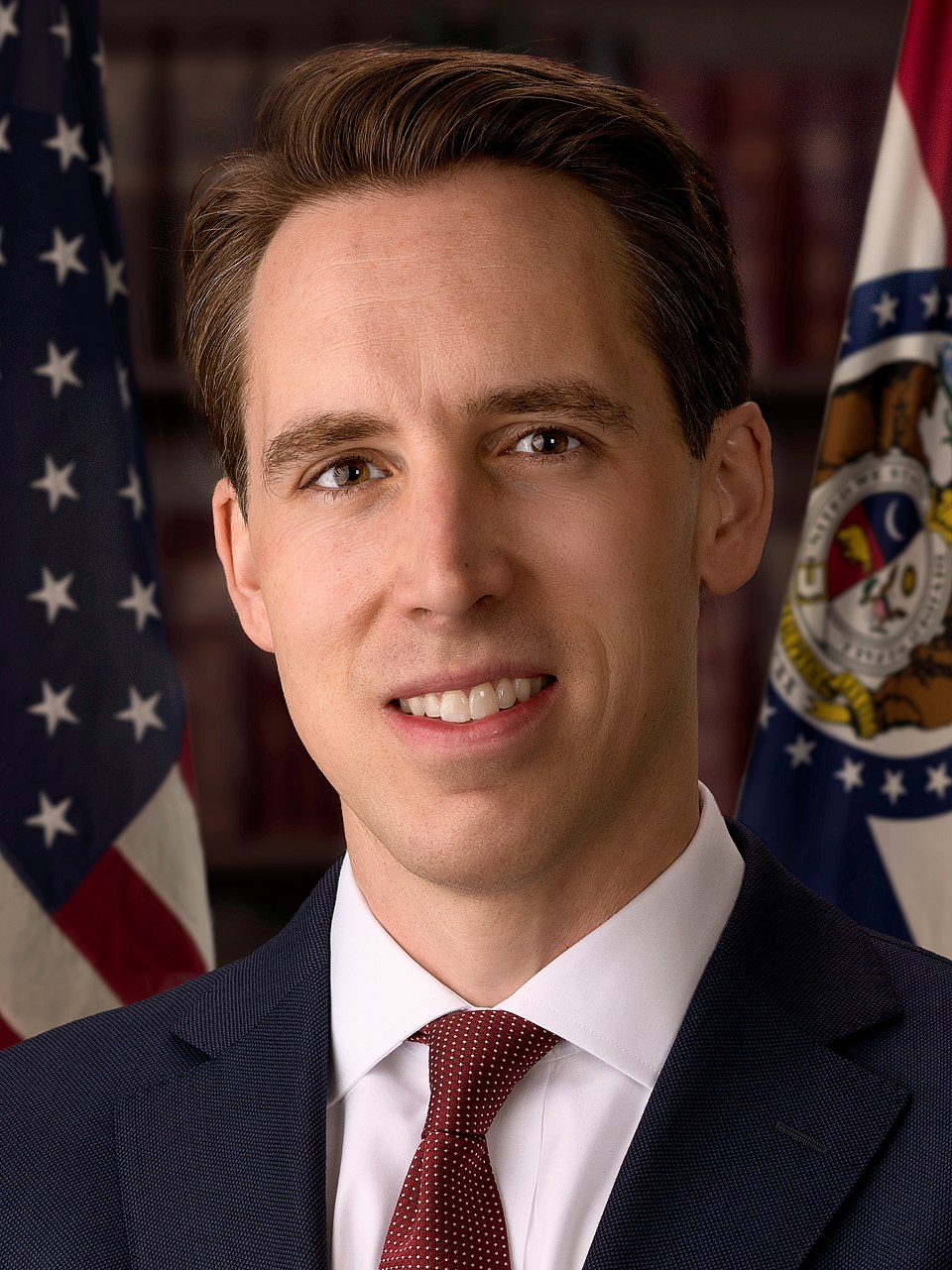
Sen. Josh Hawley, R-Mo., is urging House Speaker Mike Johnson, R-La., to block federal taxpayer funding for gender transition treatments for minors, warning that billions of dollars could flow to providers like Planned Parenthood once a current ban expires.
The letter, sent Thursday, highlights that a federal ban on taxpayer payments to abortion and transition-related care providers is set to expire July 4. Hawley's recent attempt to pass a permanent ban in the Senate was rejected Wednesday night, leaving the House as the final legislative checkpoint.
The senator emphasized that time is running out for Congress to act during the budget reconciliation process. If the House fails to include the provision, Hawley argued, federal Medicaid funds could be directed toward hormones, puberty blockers and other treatments for minors.
What the Right Is Saying
Hawley framed the potential funding flow as a matter of fiscal responsibility and child welfare, calling it "unconscionable" for taxpayer dollars to fund irreversible medical procedures for minors.
In his letter to Johnson, Hawley wrote that billions of federal dollars could go to Planned Parenthood and other providers for "hormones, puberty blockers, and irreversible treatments for minor children." He demanded action "without delay or hesitation" as part of the reconciliation process.
The senator cited a Government Accountability Office estimate showing Planned Parenthood received more than $1.5 billion in Medicare and Medicaid funds between 2019 and 2021. He also referenced a study from Concerned Women for America documenting a more than 40% increase in gender transition services at Planned Parenthood clinics.
Conservative lawmakers argue that parents, not taxpayers, should bear the cost of these procedures for minors. They contend that federal healthcare funds should prioritize traditional medical needs rather than controversial treatments for children.
House Republican leaders have expressed sympathy with Hawley's position, though the path forward remains unclear given Senate opposition to the amendment.
What the Left Is Saying
Democratic lawmakers and LGBTQ+ rights advocates have pushed back against efforts to restrict coverage for gender-affirming care, arguing that such treatments are medically necessary for some minors and that restricting funding amounts to discrimination.
The American Civil Liberties Union and similar advocacy groups have argued that gender-affirming care is supported by major medical associations, including the American Academy of Pediatrics. They contend that restricting insurance coverage does not eliminate these procedures but rather prevents vulnerable youth from accessing legitimate medical care.
Democrats have also defended Planned Parenthood's role in the healthcare system, noting that the organization provides a range of services beyond reproductive health, including cancer screenings, STD testing and primary care. They argue that defunding the organization would harm low-income individuals who rely on Medicaid for basic health services.
Progressive lawmakers have characterized efforts to restrict transition-related care as part of a broader agenda targeting transgender Americans, arguing that these bans lack scientific basis and cause real harm to families navigating complex medical decisions.
What the Numbers Show
According to a Government Accountability Office estimate cited by Hawley, Planned Parenthood received approximately $1.5 billion in Medicare and Medicaid funds between 2019 and 2021.
A study from Concerned Women for America documented a more than 40% increase in gender transition treatment and related services at Planned Parenthood clinics, though the raw numbers were not specified.
The current federal ban on funding for abortion and transition-related care through certain programs is set to expire July 4, creating a deadline for congressional action.
The Senate rejected Hawley's amendment Wednesday night on a vote that was not immediately tabulated. The budget resolution for fiscal year 2026 remains under consideration in the House.
The Bottom Line
The debate over federal funding for gender transition treatments for minors has moved to the House after Hawley's amendment failed in the Senate. With the July 4 deadline approaching, Republican leaders face pressure from both sides of their conference.
If the House includes a funding ban in its version of the budget reconciliation bill, the provision would need to survive conference committee negotiations with the Senate. The outcome could determine whether billions in Medicaid funds can be used for transition-related care at providers like Planned Parenthood.
Medical associations remain divided on the issue, with some supporting access to gender-affirming care and others calling for more restrictions. The political debate is expected to intensify as both sides frame the issue in terms of child welfare and fiscal responsibility.