
The US Department of Justice has directed federal prisons to expand the range of methods used for executions to include firing squads, gas asphyxiation and electrocution. In a 48-page memo released on Friday, the department says this will "strengthen" the death penalty, "deterring the most barbaric crimes, delivering justice for victims, and providing long-overdue closure to surviving loved ones".
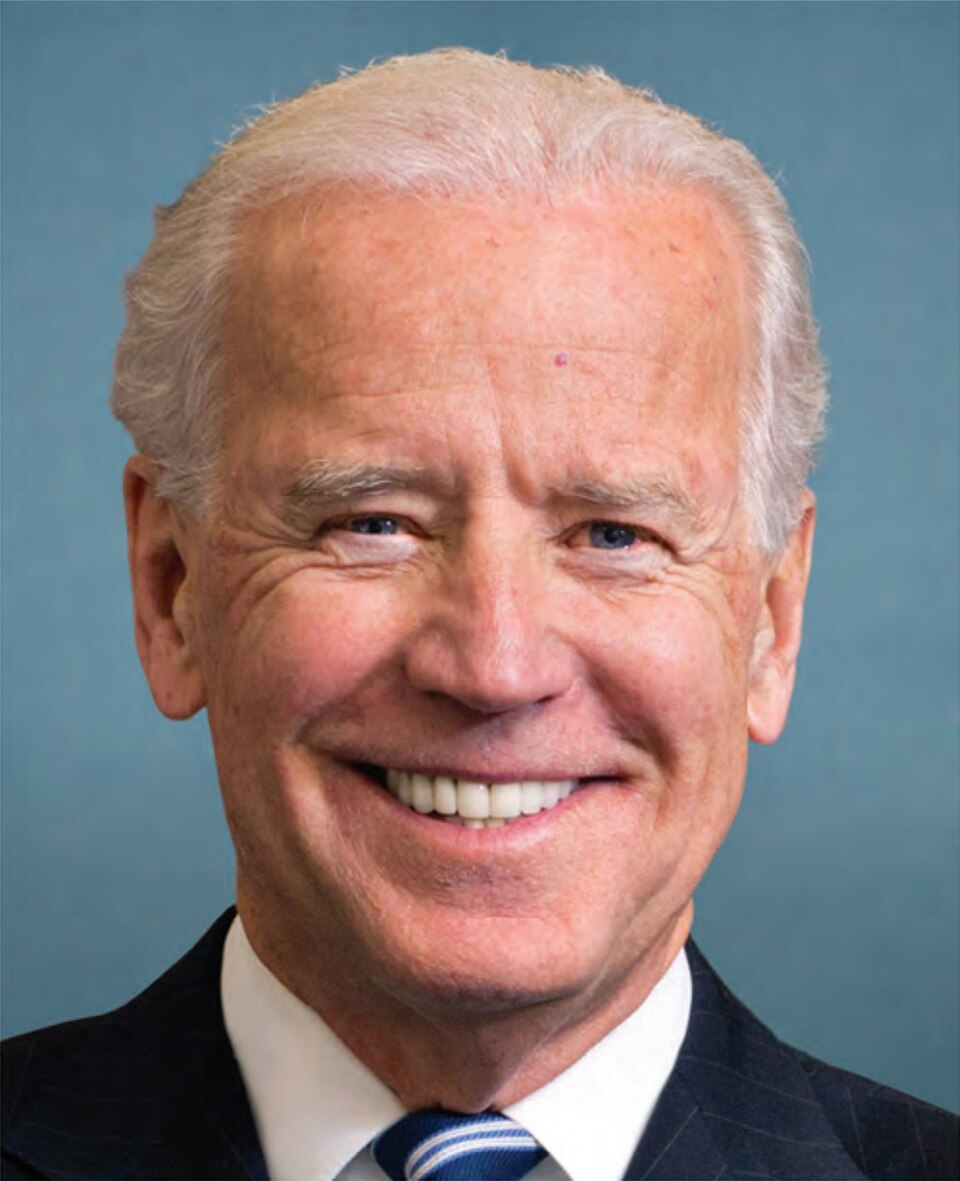
The previous administration had placed a moratorium on most federal executions. Before leaving office, former president Joe Biden gave clemency to 37 of the 40 federal death row prisoners. President Donald Trump directed the DOJ to resume seeking executions on his first day in office last year.
The memo also defends the use of lethal injection, calling the drug pentobarbital "the gold standard of lethal injection drugs". Lethal injection has been the default means for federal executions since 1993 but has faced criticism by campaigners as being a cruel means of execution. Broadening the means of executions "will help ensure the Department is prepared to carry out lawful executions even if a specific drug is unavailable", the DOJ said in an accompanying report.
What the Right Is Saying
Acting Attorney General Todd Blanche defended the memo, stating that "the prior administration failed in its duty to protect the American people by refusing to pursue and carry out the ultimate punishment against the most dangerous criminals, including terrorists, child murderers, and cop killers". Trump is a long-time supporter of the death penalty. In his first term, he ended a 20-year moratorium on executions committed by the federal government. Thirteen death row inmates were executed during that term.
What the Left Is Saying
Democratic Senator Dick Durbin called the policy change "cruel, immoral, and discriminatory". "Expanding the federal death penalty will be a stain on our history," he said in a statement on X. Death penalty opponents have argued that alternative methods such as firing squads and gas chambers represent a step backward in criminal justice reform. Civil liberties groups contend that these methods raise constitutional concerns about cruel and unusual punishment.
What the Numbers Show
According to the Death Penalty Information Center, five states currently have firing squads as an authorized execution method. In 2024, Alabama became the first state to kill a prisoner using nitrogen gas, and four other states have since adopted the use of nitrogen in executions. The DOJ memo references pentobarbital as "the gold standard" for lethal injection, though sourcing challenges have persisted for years due to manufacturers refusing to supply death penalty drugs.
The Bottom Line
The policy shift marks a significant expansion of federal execution methods after decades during which lethal injection was the primary approach. The move comes as several states have already adopted alternative execution methods amid ongoing pharmaceutical company resistance to providing lethal injection drugs. Legal challenges are expected, with opponents likely to cite constitutional protections against cruel and unusual punishment.