
Health care costs continue to rank among the top concerns for American families, and lawmakers are facing increasing calls to deliver meaningful reform in 2026. The House Energy and Commerce Subcommittee on Health has held recent hearings on health care affordability, with witnesses testifying about hospital costs and the direction of federal funding.
The debate centers on whether government health care dollars should flow primarily through insurance companies and large hospital systems or be redirected more directly to patients. Policy advocates argue this question is central to addressing rising premiums, hospital consolidation, and access issues that have persisted despite years of legislative attempts.
What the Left Is Saying
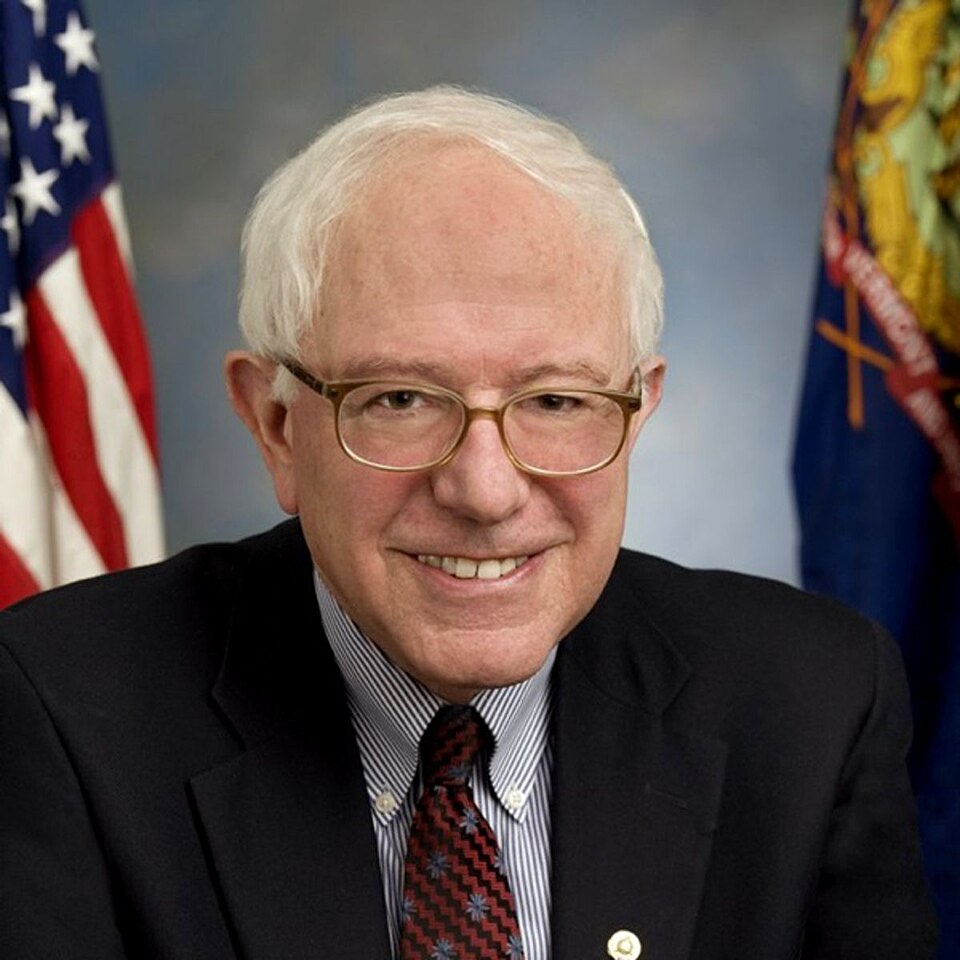
Progressive Democrats and patient advocacy groups argue that redirecting funds away from existing programs risks undermining coverage for vulnerable populations. Sen. Bernie Sanders (I-Vt.) has long advocated for expanding Medicare to cover more Americans rather than shifting subsidy structures, arguing that patients need comprehensive guarantees of coverage, not just funds to navigate a broken market.
Organizations such as Families USA have cautioned against health savings account expansions, noting that such approaches historically benefit higher-income Americans who can afford to deposit funds while leaving low-income patients without adequate baseline coverage. The Congressional Budget Office has previously found that HSA-heavy proposals tend to increase costs for sicker patients and those with chronic conditions.
Progressives contend that addressing hospital consolidation requires stronger antitrust enforcement rather than market-based solutions alone. Rep. Pramila Jayapal (D-Wash.) has sponsored legislation aimed at cracking down on hospital mergers that reduce competition in local markets, arguing this addresses root causes of price inflation.
What the Right Is Saying
Conservative Republicans and free-market health policy advocates argue that current federal spending on health care fails to empower patients to make their own decisions. Sens. Bill Cassidy (R-La.) and Mike Crapo (R-Idaho) have introduced legislation allowing some Affordable Care Act subsidy dollars to be redirected to pre-funded health savings accounts, giving patients more control over how they spend health care dollars.
Reps. Kat Cammack (R-Fla.) and Greg Steube (R-Fla.) have sponsored a separate bill expanding HSA access for Americans who currently do not qualify. The Fund The Patient organization, which commissioned polling on the issue, argues that directing funds to patients rather than institutions would reduce administrative waste, increase price transparency, and create competitive pressure to lower costs.
Conservative analysts contend that budget reconciliation provides a vehicle for advancing these changes without requiring Democratic votes to overcome a Senate filibuster. They point to previous HSA-related provisions in reconciliation bills as precedent for this approach.
What the Numbers Show
Fund The Patient polling indicates 75% of American patients do not believe the health care system is meeting the needs of most Americans, according to surveys cited by the organization. The poll also found 80% of respondents supported allowing any American to have a health savings account, and nearly two-thirds favored price transparency measures designed to enable shoppable health care.
The New York Times has reported that one-third of Americans have either cut spending in other areas or gone into debt to pay for medical care. Hospital prices have continued to rise even as insurance premiums increase, with analysts pointing to hospital consolidation as a contributing factor.
According to the American Hospital Association, U.S. hospitals employed more than 5 million people and generated approximately $1.3 trillion in total revenues in recent years. The Kaiser Family Foundation estimates that government subsidies through the ACA exchanges and programs like disproportionate share hospital funding amount to tens of billions annually.
Price transparency requirements finalized during the previous administration required hospitals to publish negotiated rates, though compliance has been uneven. Industry studies suggest significant variation in hospital pricing across regions, with consolidated markets often showing higher prices for comparable services.
The Bottom Line
Congress faces pressure from multiple directions on health care reform heading into 2026. Republicans are pursuing market-based approaches centered on patient-directed funding through HSAs and increased price transparency. Democrats have pushed for expanded public coverage options and stronger regulation of hospital consolidation.
The political environment favors action, with midterm elections expected to be competitive and both parties seeking tangible accomplishments on an issue that consistently ranks among voter top concerns. Whether any legislation can bridge the fundamental disagreements about whether reform should empower patients through market mechanisms or guarantee coverage through expanded public programs remains the central question for the coming year.
Watch for developments in Senate committee hearings, potential reconciliation instructions from budget committees, and any bipartisan negotiations on hospital antitrust measures as indicators of where health care policy is heading.