
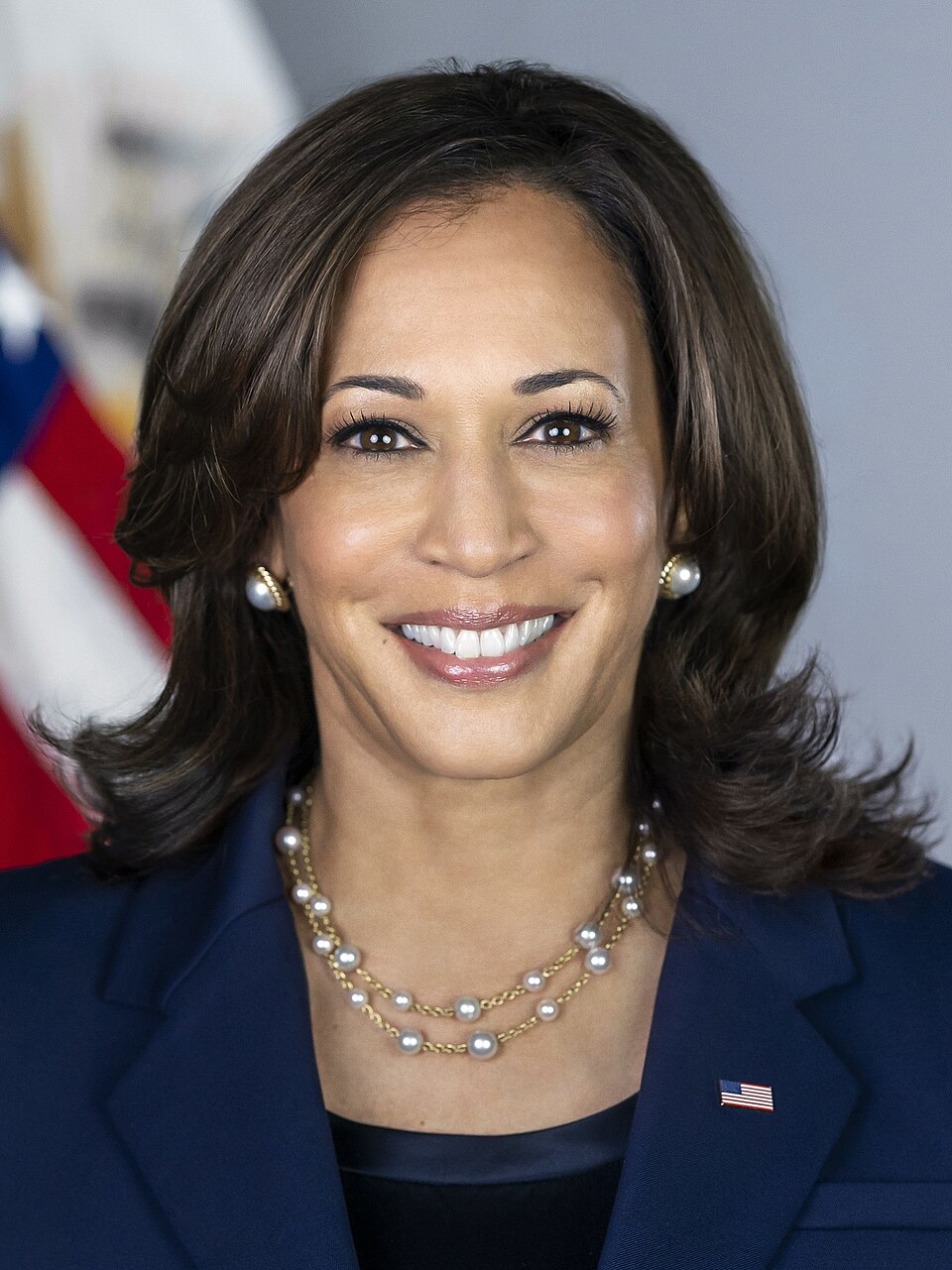
Former Vice President Kamala Harris is expected to call for the "revival of the American dream" and critique both Democrats and Republicans for economic policies she says have failed working families, according to speech excerpts shared with NBC News.
Harris plans to deliver these remarks Saturday at the Arkansas Democratic Party's annual Fisher Shackelford Dinner. The address comes as speculation continues about whether she will seek the presidency again in 2028.
What the Right Is Saying
Republicans are likely to push back against Harris's characterization of conservative economic policy. The speech occurs as President Donald Trump remains in office, and GOP officials have defended their party's tax cuts and deregulation agenda as drivers of economic growth.
Conservative critics may argue that Harris's critique conflates Democratic and Republican approaches when the parties have fundamentally different visions for the economy. Republicans typically point to job creation and wage growth during their administrations as evidence their policies benefit workers.
The speech also comes amid a competitive landscape for potential 2028 Republican candidates, though specific responses from GOP figures were not immediately available.
What the Left Is Saying
Progressive Democrats are largely welcoming Harris's message of self-criticism within their party. In prepared remarks, Harris plans to say that while trickle-down economics was "Ronald Reagan's doing," many Democrats nevertheless embraced its underlying assumptions about markets.
"Democrats believed that if we just trusted the wisdom of the market, working people would eventually get taken care of," Harris will say, according to excerpts. "And so even when people did everything right — worked hard days and into the night, the economic system essentially stopped delivering for them."
The former vice president is also expected to outline a "bold agenda" including public education reform focused on avoiding lifetime debt, a tax code that "rewards hard work — not just vast wealth," and "guardrails around social media and AI that serve the public — not just the profit."
What the Numbers Show
Harris told Rev. Al Sharpton in New York earlier this month that she is considering another presidential run in 2028, saying "I might. I'm thinking about it." She added: "I served for four years being a heartbeat away from the presidency of the United States... I know what the job is, and I know what it requires."
The Democratic field for 2028 remains wide open. Other figures widely considered to be weighing bids include Govs. Gavin Newsom of California, JB Pritzker of Illinois, Gretchen Whitmer of Michigan, Wes Moore of Maryland, Josh Shapiro of Pennsylvania, Sens. Chris Murphy of Connecticut, Cory Booker of New Jersey, Chris Van Hollen of Maryland, and Rep. Ro Khanna.
The Bottom Line
Harris's speech signals a potential 2028 candidacy built around economic populism and Democratic self-reflection. Her willingness to critique her own party on economic policy reflects broader progressive efforts to address concerns about stagnant wages and inequality that persist despite recent economic growth.
The remarks also indicate Harris is positioning herself as a bridge between traditional Democratic establishment positions and more populist critiques of both parties' handling of the economy. Whether this message resonates with primary voters will be tested in two years if she formally enters the race.