
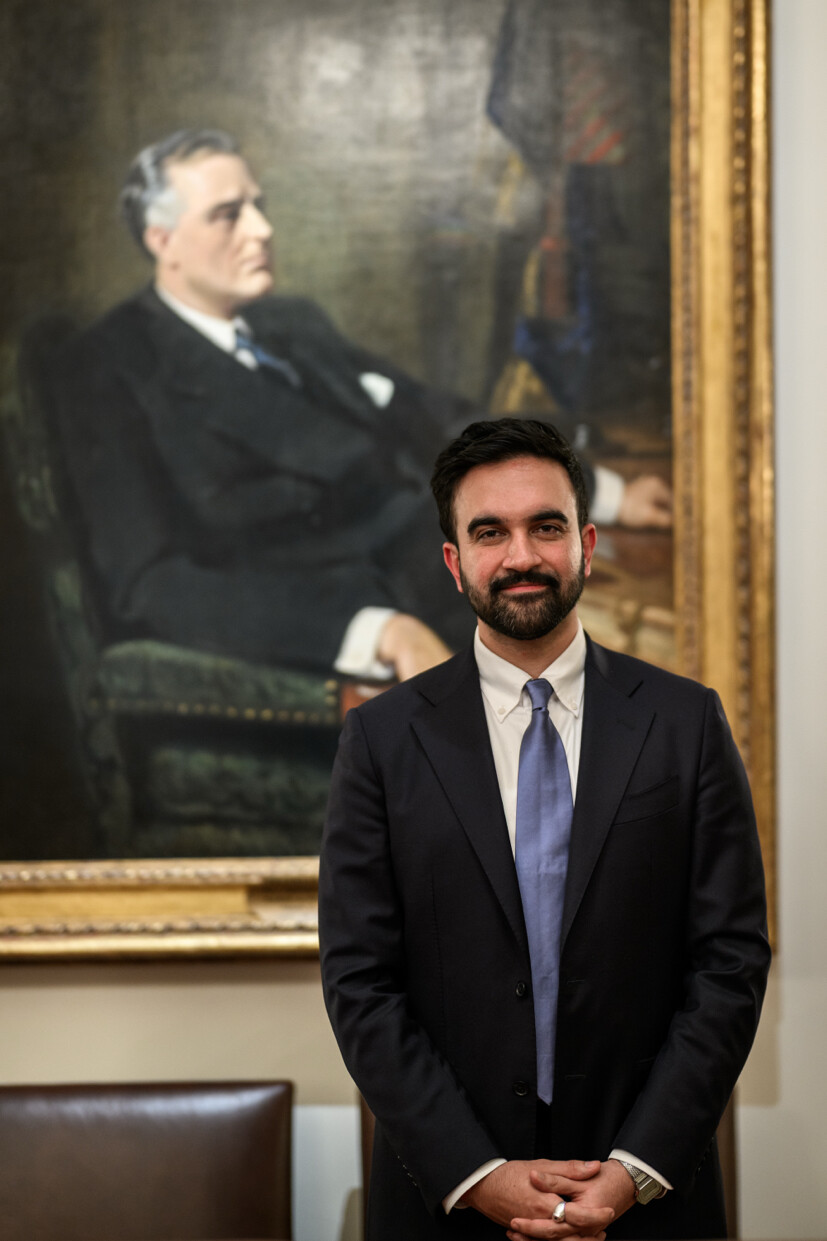
New York City Mayor Zohran Mamdani's education agenda has drawn sharp criticism from Republican leaders, who warn his proposal to phase out the city's gifted and talented programs could fundamentally reshape student outcomes. The mayor, who took office earlier this year, appointed Kamar Samuels as schools chancellor with a stated goal of addressing inequities in the school system.
The debate centers on Mamdani's position that gifted and talented programs disproportionately serve certain demographic groups and perpetuate educational inequality. His administration has signaled plans to eventually eliminate these programs for younger students, arguing that access to advanced academic opportunities should be more broadly distributed across the student population.
What the Left Is Saying
Progressive advocates and some Democratic officials have supported Mamdani's approach, arguing that gifted and talented programs create stratified systems within schools that favor certain students over others. They point to data showing these programs historically underrepresent Black and Hispanic students despite their academic potential.
Education equity groups argue that eliminating such programs reduces pressure on low-income families to navigate complex testing processes and reduces the opportunity gap between affluent and underserved communities. Some progressive educators contend that mixed-ability classrooms with differentiated instruction can serve high-performing students without creating separate tracking systems.
Teacher unions, including the American Federation of Teachers under President Randi Weingarten, have generally supported reforms aimed at reducing racial and socioeconomic disparities in educational outcomes. The AFT has advocated for policies that address what it calls systemic barriers to educational opportunity.
What the Right Is Saying
New York City Republican Party Chairman Joseph Forte told Fox News Digital that Mamdani's education agenda represents his administration's most concerning policy direction. Forte argued that eliminating merit-based programs would damage academic achievement citywide.
"The lack of merit and the lack of competitiveness is going to lead to test scores declining and the quality of our education declining significantly," Forte said. "He's going to gut the gifted and talented program. He said this already."
Forte warned that Mamdani's appointees would transform the school system away from academic achievement toward what he described as equity-based criteria. "It's not going to be about merit anymore," he said. "It's going be about what is somebody's skin color? What is their race? They're going to make this an equity-based system based on race and racial quotas, and a lottery system."
Forte also raised concerns about curriculum changes, saying parents lack clarity about what Mamdani's administration plans to implement in history classes. "We don't know what he's going to be implementing as curriculum," he said. "We don't know what he is going to do with American history."
What the Numbers Show
According to 2024 data from the New York City Department of Education, gifted and talented programs served approximately 15,000 students citywide. Demographic breakdowns have historically shown these programs enrollment weighted toward white and Asian students compared to overall school population demographics.
National assessment data consistently shows that academic achievement gaps persist across socioeconomic lines, with students from higher-income families demonstrating higher average test scores on standardized assessments including the NAEP.
The city's overall student population of roughly 1 million students includes significant proportions from low-income households, with over 70% qualifying for free or reduced-price lunch programs. Academic outcomes in city public schools have shown mixed results compared to national averages on standardized testing benchmarks.
The Bottom Line
Mamdani's education priorities reflect a broader debate about how to address persistent achievement gaps between demographic groups in urban school systems. His administration has framed the elimination of gifted and talented programs as an equity initiative, while critics characterize it as removing pathways for high-achieving students regardless of background.
The schools chancellor appointment signals the direction of policy implementation. Mamdani's office did not respond to requests for comment on specific timeline or implementation details for program changes. What happens with these proposals will likely become a defining issue in New York City education policy and may influence similar debates in other major urban districts considering equity-focused reforms.
Fox News Digital reached out to Mayor Mamdani's office and the American Federation of Teachers for additional comment on this story.