
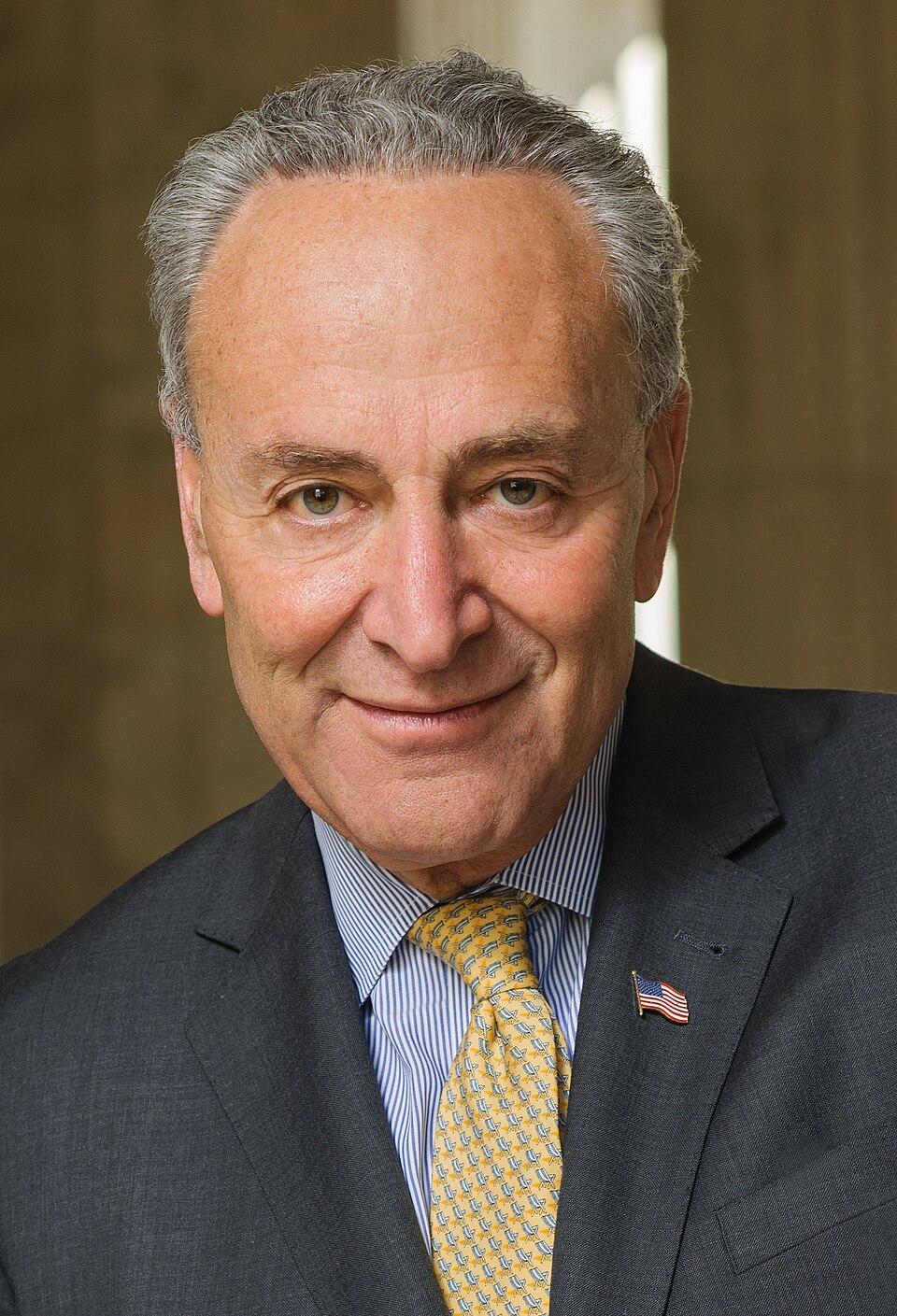
Louisa Terrell, 53, director of the White House Office of Legislative Affairs, played a central role in advancing President Joe Biden's legislative agenda through one of the most closely-divided Congresses in modern history. In that position, she led the team responsible for coordinating the administration's relationships with Capitol Hill, describing her role as a conductor orchestrating the movement of bills through Congress.
Terrell spent considerable time on Capitol Hill despite working from the White House Executive Office Building. She explained her approach during a rare television interview, saying: "You want to be talking to committees, caucuses. Who's talking to leadership? Who are the up-and-comers? What's the floor action? What's running quickly? What's slowing down? And you need all these sort of tentacles out there, and then bringing that back every day."
Terrell's Washington career spanned more than two decades. She began on Capitol Hill as a staffer for then-Senator Biden on the Judiciary Committee, describing herself at the time as just a "gal from Delaware" in awe of experienced legal clerks around her. She later served as Biden's deputy chief of staff and worked in the Obama administration's Office of Legal Affairs before leading the very team she now directed.
What the Right Is Saying
Republicans acknowledged Terrell's professionalism while noting the inherent challenges of negotiating with a White House from the opposing party. Some conservative lawmakers said her credibility on bipartisan commitments made her a reliable counterpart in discussions, even when disagreements remained substantial.
House Republican leaders at the time noted that bipartisan legislation often required significant concessions from both sides, and that legislative affairs staff like Terrell played a key role in identifying areas of potential agreement. A spokesperson for Senate Minority Leader Mitch McConnell acknowledged the professional working relationship between the two offices while emphasizing that policy differences remained fundamental.
Some conservative commentators argued that bipartisan wins on issues like infrastructure ultimately served broader national interests regardless of party politics, suggesting that effective legislative affairs work benefited all Americans when it produced durable legislation.
What the Left Is Saying
Democrats pointed to Terrell's work as essential to their legislative accomplishments during a period of razor-thin majorities. Supporters said her ability to maintain credibility with Republican lawmakers made bipartisan deals possible, even on contentious issues like infrastructure and gun safety legislation.
Senate Majority Leader Chuck Schumer praised the legislative affairs office's coordination efforts, noting that Terrell's team maintained open channels with both parties throughout negotiations. Progressive advocacy groups echoed this sentiment, arguing that Terrell's relationship-building approach helped Democrats achieve wins they might not have reached otherwise.
Terrell herself stated her approach to working with Republican lawmakers: "I'll be very clear on what the president's position is and why we want to see what we want to see done." She added that Republicans understood the White House stood by its commitments, which she said built crucial trust across the aisle. Following Justice Ketanji Brown Jackson's confirmation as the Supreme Court's first Black justice, Jackson included Terrell among the "brilliant folks" who helped make that achievement possible.
What the Numbers Show
The Biden administration's first two years produced several major legislative achievements through closely divided Congress: the $1.2 trillion Infrastructure Investment and Jobs Act passed with 69 Senate votes including 19 Republicans; the Bipartisan Safer Communities Act, which drew 14 Republican Senate votes; and the Respect for Marriage Act, which secured 12 Republican Senate votes.
Democrats held a 50-50 Senate majority with Vice President Kamala Harris breaking ties, and House majorities shifted throughout the period. The narrow margins meant that Terrell's office had to maintain relationships across the aisle to move any legislation forward, as losing even a few Democratic votes on key measures could defeat proposals in either chamber.
Terrell noted that navigating these majorities required intensive relationship-building: "The extremes have gotten extreme and I think that makes it harder. You have to really work a lot harder to find where you can meet in the middle."
The Bottom Line
Terrell's tenure as legislative affairs director illustrated how White House staff with deep Capitol Hill relationships could broker deals during periods of divided government. Her approach relied on personal credibility built over decades and a team that maintained constant communication with lawmakers across both parties.
The 2022 midterms shifted the political landscape, with Republicans taking control of the House in January 2023. Terrell said her office had been preparing for the transition: "There's obviously going to be a big piece of, 'This is oversight' – you've heard this – 'We are watching,' and that's just to be expected." She added that relationships built during the previous two years would continue to matter: "The kind of relationships you have with Republicans, we've been working on them the whole time. There are folks in our shop who have some of those relationships. And so, it won't feel like we're parachuting in."
Whether through bipartisan compromise or party-line votes, Terrell's office coordinated an unusually high volume of significant legislation for a Congress operating with such narrow majorities. Her methods—personal relationships, clear communication about White House positions, and consistent follow-through on commitments—offered one model for navigating divided government.