
A Gallup survey released Tuesday found that 55 percent of Americans view their personal financial situation as getting worse, the highest reading since the polling firm began tracking this metric in 2001. The percentage surpasses the previous high of 53 percent set last April and ties to broader economic anxieties as inflation and energy costs have risen sharply in recent months.
The poll, conducted April 1-15 for Gallup's annual Economy and Personal Finance survey, asked 1,001 U.S. adults about their financial circumstances, top concerns, and the impact of price increases. The survey has a margin of error of 4 percentage points.
Last month, inflation climbed to 3.3 percent, up nine-tenths of a percentage point from February. Gas prices surged 18.9 percent year-over-year, reaching nearly $4.18 per gallon on Tuesday—the highest level in four years—according to AAA. The spike followed heightened tensions in the Middle East, where U.S.-Israeli military operations against Iran prompted Tehran to impose shipping restrictions through the Strait of Hormuz, rattling energy markets.
More than three in 10 respondents identified the high cost of living and inflation as the top problem facing their families. Thirteen percent each cited energy costs and housing expenses as their primary financial concern, while 8 percent pointed to healthcare costs.
Looking ahead, more than six in 10 respondents said they were either "very" or "moderately" worried about not having enough money for retirement. Sixty percent expressed concern about covering medical costs in the event of a serious illness or accident, and 40 percent worried about affording their children's college education.
What the Right Is Saying
White House officials pointed to broader economic progress since the Trump administration took office, noting that unemployment remains near historic lows and that the current inflation spike stems from global energy market disruptions rather than domestic policy failures. "We inherited an economy facing significant challenges, and we have made substantial strides," a senior administration official told reporters Tuesday. "Temporary spikes in gas prices due to international instability are beyond any administration's control."
Republican National Committee spokesperson Anna Kelly said the polling shows Americans remain concerned about costs but trust Republicans more than Democrats to handle the economy. "The American people know that Republican policies—lower taxes, less regulation, and energy independence—are the path to lower costs," Kelly said in a statement. "Democrats have no answer except raising taxes and restricting American energy production."
Conservative commentators pointed to polling showing higher approval for Republican handling of economic issues heading into midterm season. "Voters consistently tell us they trust Republicans more on the economy, and these Gallup numbers show why—people are worried about their finances, and they want leaders who will cut costs," wrote an analyst at the conservative American Enterprise Institute in a commentary piece.
What the Left Is Saying
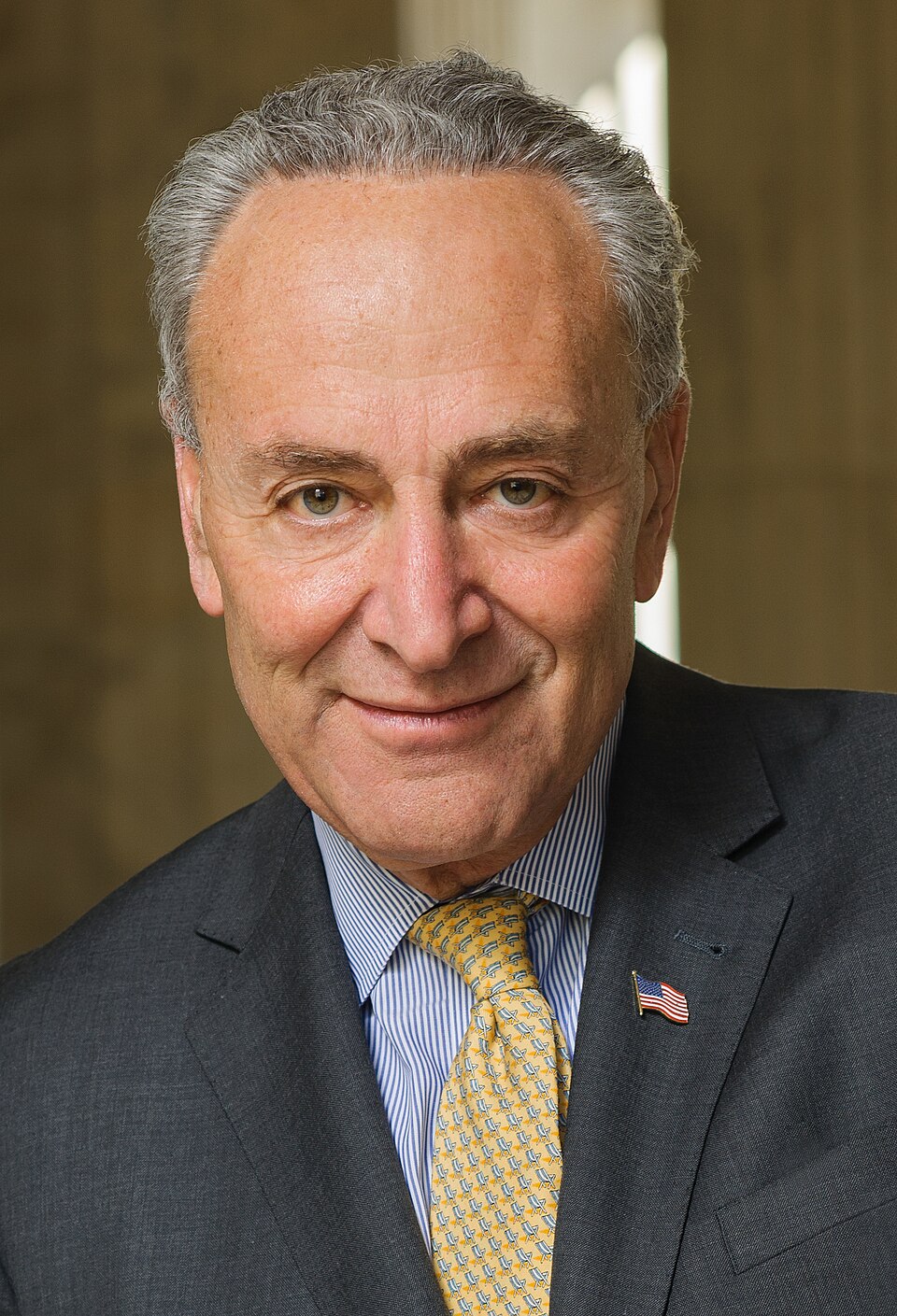
Senate Minority Leader Chuck Schumer (D-NY) said the poll results reflect what Democrats have been hearing from constituents across the country. "Working families are being squeezed by costs that keep climbing while wages don't keep pace," Schumer wrote on social media. "This is exactly why we need policies that actually fight for middle-class Americans instead of giving breaks to those at the top."
Progressive advocacy group Groundwork Collaborative pointed to a series of policy decisions, including tariff implementations and proposed cuts to federal programs, as factors contributing to economic uncertainty. The organization argued that current approaches favor corporate interests over household budgets. "People are making hard choices between paying rent, buying groceries, and filling their gas tanks," the group stated in an analysis accompanying the poll's release.
Economists with left-leaning think tank the Center for American Progress noted that while unemployment remains low, many households have not experienced the benefits of a strong labor market due to persistent price increases in essentials like housing, healthcare, and food. "The disconnect between headline economic indicators and people's actual lived experience is real," CAP economists wrote.
What the Numbers Show
The 55 percent figure marks a significant escalation from recent years. The previous record of 53 percent was set just one year ago in April 2025. The metric hit 50 percent twice before—during the initial COVID-19 pandemic shock in April 2020 and amid high inflation in April 2023.
The current reading represents more than a doubling from the low point recorded during the post-pandemic economic recovery, when only 24 percent of respondents said their financial situation was worsening in October 2021. The trend has moved steadily upward over the past four years.
On gas prices specifically, the $4.18 national average reported by AAA on Tuesday represents a substantial increase from $3.52 one year ago and approaches the record high of $5.02 set in June 2022. Energy prices overall have risen 18.9 percent year-over-year, reversing three consecutive months of annual declines.
Inflation data from the Bureau of Labor Statistics shows consumer prices rose 3.3 percent over the 12 months ending March 2026, up from 2.8 percent in February—the largest monthly increase since October 2024. Core inflation, excluding food and energy, stands at 3.7 percent.
The Bottom Line
The Gallup findings arrive less than seven months before midterm elections, where control of both chambers remains competitive. Republicans currently hold narrow majorities in the House and Senate, while Democrats are seeking to gain seats during the final two years of President Trump's term.
Economic anxiety has historically been a potent electoral force. Both parties are likely to center pocketbook issues in their messaging as November approaches. The White House is expected to continue emphasizing job creation and manufacturing growth, while Democrats are anticipated to focus on healthcare costs, housing affordability, and what they characterize as tax policies that benefit corporations over individuals.
Several factors beyond immediate policy choices may influence how voters assess the economy by Election Day: whether gas prices stabilize or climb further, Federal Reserve interest rate decisions, global geopolitical developments affecting energy markets, and the trajectory of housing costs. The next several months of economic data will likely shape the electoral landscape significantly.