
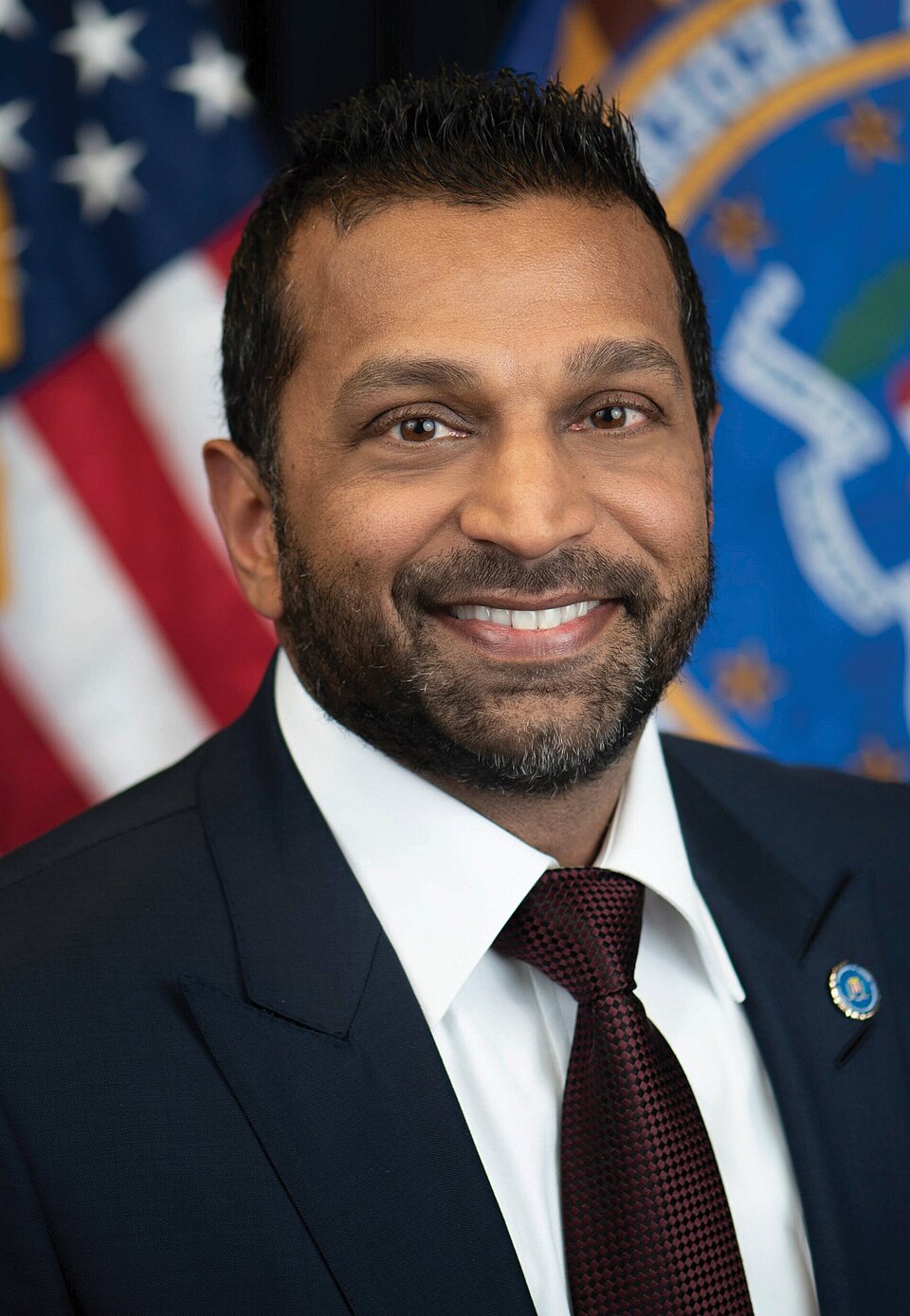
FBI Director Kash Patel said the bureau will produce a final report "in short order" reviewing multiple state-level investigations involving scientists and defense-linked personnel, at the White House's request.
The review comes after at least a dozen cases — spanning disappearances, homicides, and deaths previously ruled accidental — drew renewed attention in recent weeks. The cases involve individuals tied to government research programs, including Los Alamos National Laboratory, NASA facilities, and military-affiliated researchers.
What the Right Is Saying
Republican lawmakers and Trump administration allies have framed the review as necessary national security vigilance. They argue that a cluster of mysterious cases involving defense researchers warrants thorough federal scrutiny regardless of whether connections are ultimately found.
"Protecting our nation's scientific and defense personnel should be above partisan politics," said Sen. Tom Cotton, R-Ark., in a statement to Politico. "If there is any possibility these incidents are related or reflect a broader threat, the American people deserve answers."
Conservative commentators have noted that President Trump raised the issue publicly at an April 16 press availability, telling reporters: "I hope it's random, but we're going to know in the next week and a half. I just left a meeting on that subject." Supporters say this reflects transparency with the public rather than political theater.
What the Left Is Saying
Democratic lawmakers and progressive analysts have expressed caution about the timing of the review, noting that similar cases involving government researchers have occurred across multiple administrations without prompting federal action. Some have suggested the White House's involvement could complicate objective investigative work.
"We need to be careful not to let political pressure drive law enforcement decisions," said one Democratic congressman who spoke on background, citing concerns about potential politicization of ongoing state investigations.
Civil liberties advocates have also raised questions about what the final report will contain and whether federal intervention in state-level cases could set problematic precedents. "State and local authorities are best positioned to handle these matters unless concrete evidence of a federal nexus emerges," said a spokesperson for an advocacy organization tracking government oversight.
What the Numbers Show
At least 12 cases are included in the broader review, according to administration officials. The cases span multiple states including New Mexico, California, and Virginia.
Specific incidents cited include: retired Air Force Maj. Gen. William "Neil" McCasland, who oversaw classified research programs and vanished from his New Mexico home earlier in 2026; Joshua LeBlanc, a NASA-affiliated engineer whose body was found in a burned vehicle hours after he was reported missing; Monica Jacinto Reza, a NASA Jet Propulsion Laboratory engineer who disappeared while hiking in California; Melissa Casias, a Los Alamos National Laboratory employee who vanished in New Mexico after leaving work; and Army biochemist Jude Height, whose 2022 death was ruled accidental but has since drawn renewed scrutiny.
The FBI has declined to specify how much of its final report will be made public, citing the active nature of investigations.
The Bottom Line
Director Patel told Fox News Digital that the FBI is "just trying to do our homework" and emphasized that some cases involve individuals who are not scientists. He noted that authorities have not determined whether any incidents are connected.
White House spokesperson Anna Kelly said the administration "will not get ahead of the investigation" while promising transparency with the public. The National Nuclear Security Administration has confirmed it is reviewing reports involving personnel across its labs and facilities.
The FBI's final report, expected "in short order" according to Patel, will determine whether federal authorities see sufficient evidence to pursue a coordinated investigation or conclude that cases are unrelated. How much of that report becomes public — and how quickly state attorneys general cooperate with the review — will be key details to watch.