
Lori Chavez-DeRemer's exit as Labor secretary last week amid a wave of misconduct allegations is raising questions about the fledgling coalition between Republicans and labor. The next moves from the administration and from Republicans more broadly will determine whether the political alliance and appeal to union workers that boosted President Trump in 2024 has fizzled out, or if it has just been dialed back to a slow burn that gradually builds into broader GOP embrace of pro-labor positions.
Trump's nomination of Chavez-DeRemer to lead the Department of Labor was seen as a major signal of his warming to unions and the labor movement, and a win for the "New Right" populist faction of the GOP that takes a more pro-worker, protectionist view of labor. The one-term moderate was one of only three House Republicans to co-sponsor the Protecting the Right to Organize (PRO) Act that was championed by Democrats.
Now-Acting Secretary Keith Sonderling, who until last week was the deputy secretary, was reportedly running the bulk of day-to-day operations at DOL before Chavez-DeRemer's departure. Many contentious labor issues are currently before the National Labor Relations Board rather than subject to the Department of Labor's direct authority.
What the Left Is Saying
Pro-labor advocates and union supporters say they remain cautiously optimistic about the administration's trajectory despite Chavez-DeRemer's exit. The Teamsters supported her nomination, and AFL-CIO was "encouraged" by her confirmation — a notable development given the historically adversarial relationship between that federation and Republican administrations.
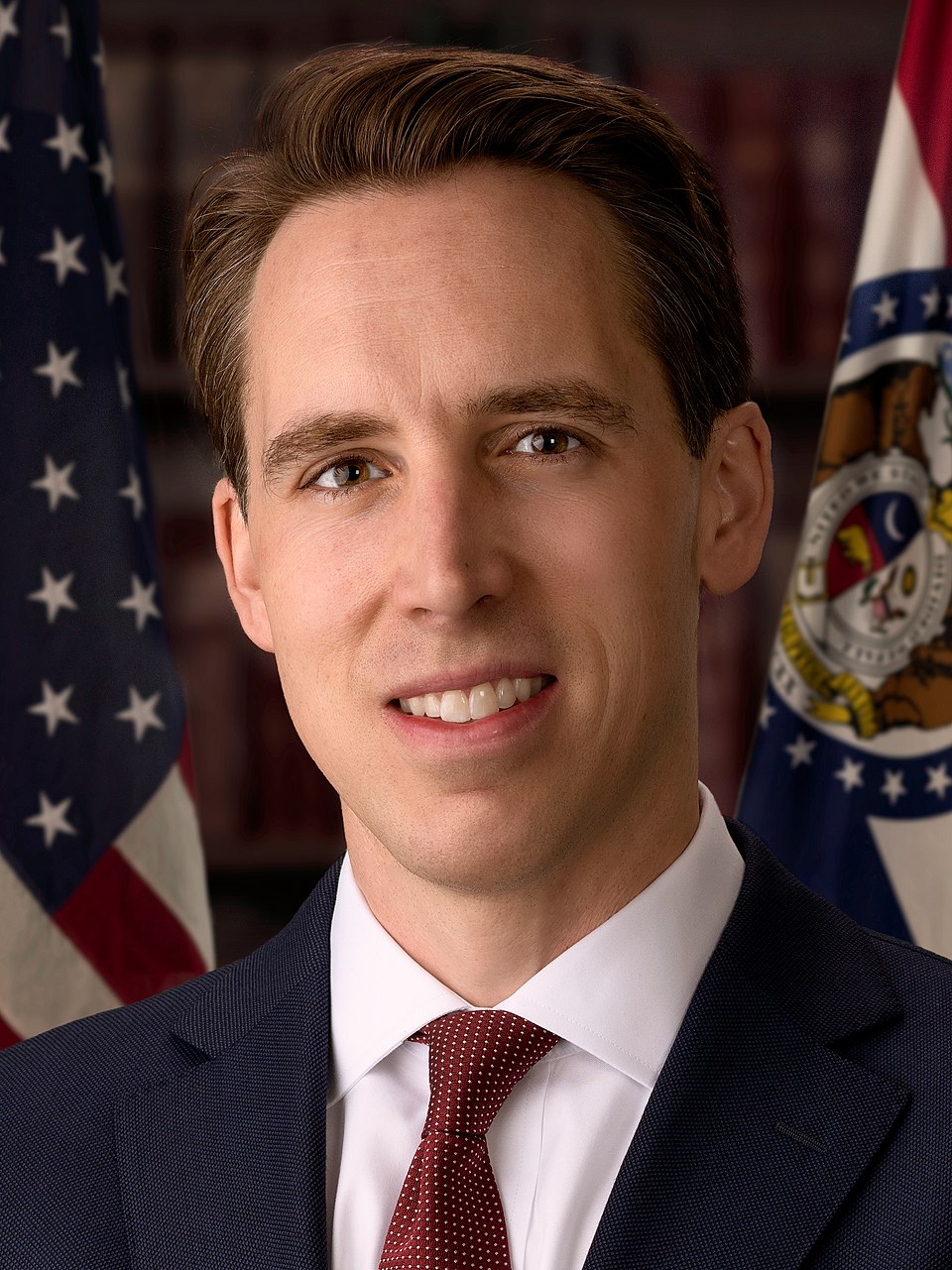
Jace White, manager of government relations at Advancing American Freedom, noted that the Faster Labor Contracts Act has replaced the PRO Act as the top priority for unions. The bill, pushed by the Teamsters and championed by Sen. Josh Hawley (R-Mo.), would impose new, shorter requirements for first-contract negotiations for new unions — a measure labor advocates say addresses one of the most significant barriers to union organizing.
"The filling of this position will give us an idea of where perhaps the Vance people are going, and where the Trump administration will find itself in the closing of his term," said Mark Mix, president of the National Right to Work Committee. White House spokesperson Taylor Rogers stated that "Acting Secretary Sonderling is equipped and qualified to continue implementing the President's pro-worker agenda at the Department of Labor."
What the Right Is Saying
Conservative critics argue that Trump's labor policy has been more libertarian and pro-business than some expected, despite the administration's outreach to union workers. Sohrab Ahmari, U.S. editor at UnHerd and a prominent voice on the New Right, expressed disappointment that Chavez-DeRemer didn't do more on labor policy during her time as secretary.
"Trump's labor policy has been more libertarian and pro-business than George W. Bush's," Ahmari argued in a recent piece. He criticized the administration's approach, writing that beyond "giving her social-media staffers free rein to post 'based and red-pilled' memes on X featuring blond-haired, squared-jawed men in Fifties-style outfits, accompanied by calls to 'BUILD YOUR HOMELAND'S FUTURE,'" there was little substantive policy action.
The National Right to Work Committee opposed Chavez-DeRemer's nomination from the outset. Mix said the Trump administration's handling of the vacancy could signal where Vice President Vance — who has been friendly to the New Right — might be heading ahead of a potential 2028 bid for higher office. White's organization is actively lobbying against the Faster Labor Contracts Act, arguing it "constitutes a big overreach of the federal government into private sector labor relations."
What the Numbers Show
Chavez-DeRemer was one of only three House Republicans to co-sponsor the PRO Act during her time in Congress — legislation that Democrats and unions have championed as landmark worker protection. The Faster Labor Contracts Act has 17 Republican cosponsors so far, with moderate Rep. Mike Lawler (R-N.Y.) being the sole Republican to sign onto a discharge petition that could force a House vote over leadership objections. The petition needs 218 signatures total to succeed.
A January vote saw four GOP rebels sink a slate of Republican labor bills — a development that surprised party leadership and demonstrated shifting orthodox within the conference. A White House official said Trump will make a decision on the Labor secretary position "in due time."
The Bottom Line
The departure of Chavez-DeRemer leaves Republicans at a crossroads on labor policy. Acting Secretary Sonderling, who has a background in litigating labor and employment disputes, appears to have respect across ideological lines — viewed as largely adhering to free-market principles while not being hostile to the administration's pro-worker messaging.
How Trump proceeds with naming a permanent replacement will signal whether the 2024 coalition-building with unions was a tactical election-year maneuver or represents a genuine shift in Republican policy priorities. Congressional battles loom, particularly around the Faster Labor Contracts Act, which could test how many Republicans cross party lines on labor issues that have traditionally divided the two parties.
The next several months — and Trump's eventual Cabinet choice — will reveal whether this GOP-labor alliance has staying power or was limited to a brief chapter in the administration's first term.