
The Office of Management and Budget warned congressional leaders Tuesday that the Department of Homeland Security will run out of funds to pay employees of the Transportation Security Administration and other DHS components imminently if the House fails to pass a funding bill for the department.
According to an OMB memo obtained by The Hill, the administration projects it will be unable to pay all DHS personnel beginning in May. The shortfall would affect TSA screeners who staff airport security checkpoints, Secret Service agents assigned to protective details and Coast Guard personnel, the document stated.
"If this funding is exhausted, the administration will be unable to pay all DHS personnel beginning in May, which will once again unleash havoc on air travel, leave critical law enforcement officers—including our brave Secret Service agents—and the Coast Guard without paychecks, and jeopardize national security," OMB Director Russell Vought wrote in the memo.
The timing adds pressure to House Republican leaders who have been navigating competing priorities. A shooting incident at the Washington Hilton during the White House Correspondents' Association Dinner over the weekend, which President Trump attended alongside Vice President JD Vance and several Cabinet officials, has intensified scrutiny on Secret Service staffing levels and agency funding.
What the Left Is Saying
Senate Democratic leadership has pointed to a bipartisan Senate-passed continuing resolution as a viable path forward to ensure federal workers receive paychecks without delay. That measure, which cleared the upper chamber with support from both parties, would fund DHS through the remainder of the fiscal year at current spending levels.
Congressional Democrats have argued that the House should take up the Senate bill rather than allowing political disagreements over immigration enforcement funding to jeopardize pay for frontline workers. Democratic senators have noted that TSA officers and Coast Guard members are not responsible for immigration policy disputes in Congress.
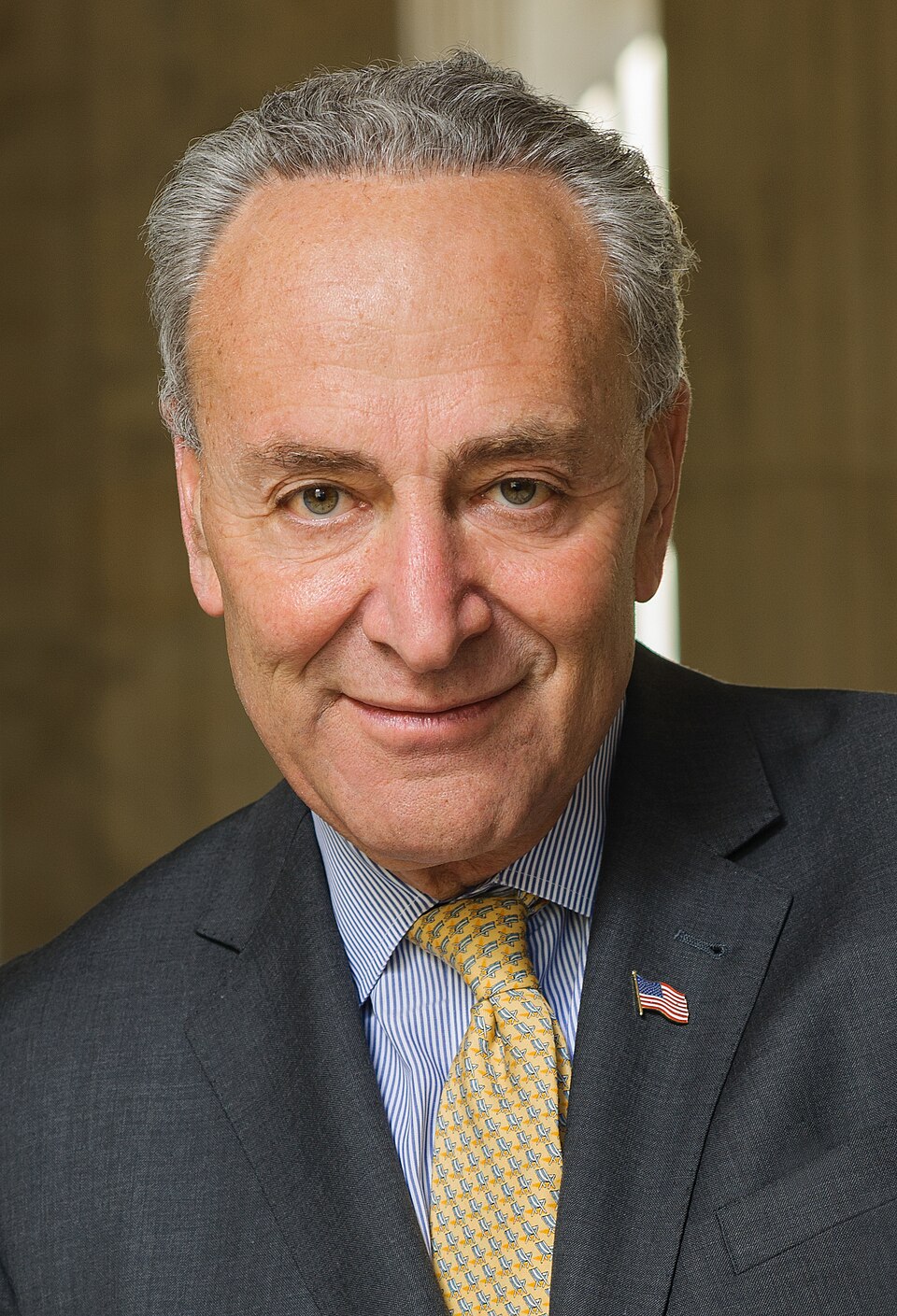
Senate Minority Leader Chuck Schumer has urged House Speaker Mike Johnson to bring the Senate-passed measure to the floor, arguing that partisan on immigration funding should not hold federal workers hostage to political negotiations over border policy.
What the Right Is Saying
The OMB memo placed responsibility squarely on congressional Democrats, accusing them of prioritizing protections for undocumented immigrants over funding for domestic security agencies. "Congressional Democrats have abdicated their responsibility to fund the government, opting instead to shut down DHS in an attempt to protect violent criminal illegal aliens and undermine President Trump's highly successful border security agenda," the memo stated.
House Republican leaders have rejected the Senate-passed continuing resolution as insufficient. Speaker Mike Johnson said Monday that the Senate measure was "haphazardly drafted" because it does not include dedicated funding for Immigration and Customs Enforcement and U.S. Border Patrol operations through the remainder of President Trump's term.
DHS Secretary Markwayne Mullin has argued that executive authority alone cannot sustain department operations long enough to wait for the Senate's time-consuming budget reconciliation process to conclude. The administration is seeking a standalone appropriation specifically targeting ICE and CBP staffing and operational costs, which House conservatives view as essential to maintaining the administration's border security priorities.
What the Numbers Show
DHS is one of the largest federal departments by workforce, employing approximately 250,000 personnel across its component agencies including TSA, Secret Service, Coast Guard, ICE, Customs and Border Protection, FEMA and Citizenship and Immigration Services. TSA alone employs roughly 50,000 passenger screening officers at airports nationwide.
The Senate-passed continuing resolution would fund DHS at approximately $59 billion for the remainder of fiscal year 2026, maintaining current agency budgets without new policy or immigration provisions sought by House Republicans.
Budget reconciliation instructions require committees to identify offsetting savings, making standalone supplemental appropriations for ICE and CBP potentially more complex to advance through the Senate's procedural rules. The Congressional Budget Office has not yet scored alternative funding mechanisms proposed by House leadership.
The Bottom Line
The May payroll deadline creates a hard timeline for House action. If Congress fails to pass DHS funding legislation before agency accounts are exhausted, approximately 250,000 federal workers across multiple law enforcement and security agencies could face delayed paychecks during ongoing budget negotiations.
Speaker Johnson must decide whether to bring the Senate-passed clean continuing resolution to the floor for a vote—a path that would likely pass with bipartisan support but draw backlash from House conservatives—or continue pursuing a standalone immigration-focused funding bill that faces procedural hurdles in the Senate. The WHCA dinner shooting has added scrutiny to Secret Service capacity, potentially increasing pressure on both chambers to reach agreement.
Congressional observers note that previous government shutdown showdowns have often been resolved after political pressure mounted over federal worker pay and public service disruptions. A DHS lapse would affect air travel screening operations, maritime security and protective details for senior government officials simultaneously.