
The Supreme Court's ruling narrowing the scope of the Voting Rights Act is prompting Republicans in multiple states to push for redrawn congressional maps that could create more GOP-friendly seats.
What the Left Is Saying
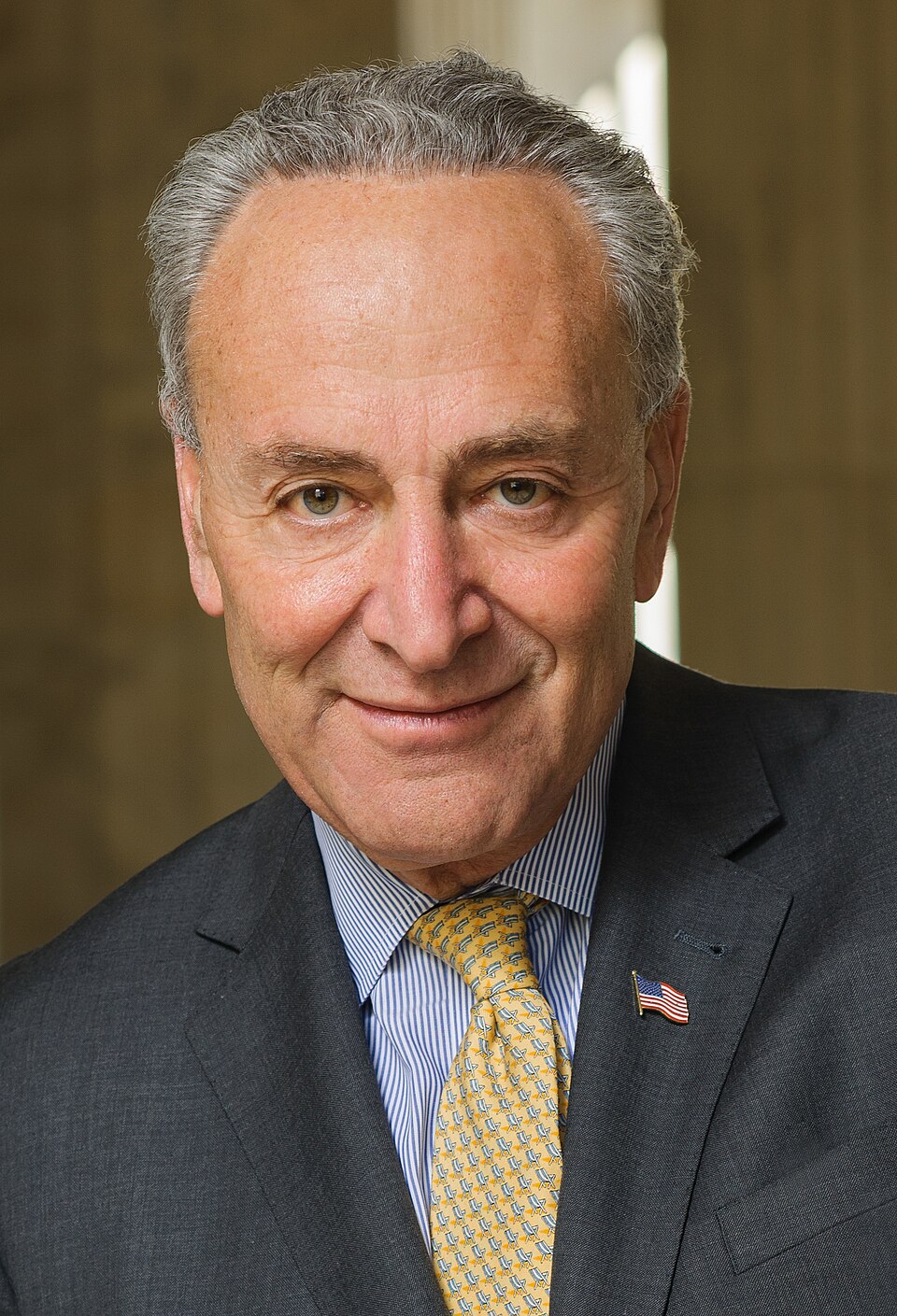
Senate Minority Leader Chuck Schumer (D-NY) condemned the decision, saying the court "just turned its back on one of the most sacred promises in American democracy—the promise that every voice counts." The ruling comes amid an intensifying redistricting battle ahead of the 2026 midterms as both parties seek an edge in the fight for House control during President Donald Trump's final two years in office.
Progressive voting rights advocates argue that majority-minority districts remain essential for ensuring adequate representation of minority communities. They contend that without such protections, electoral maps could revert to configurations that dilute the political power of Black and Latino voters who were historically disenfranchised under Jim Crow-era practices.
Civil rights organizations are expected to challenge any new maps drawn primarily on racial grounds in federal court, setting up additional litigation over the balance between the Constitution's equal protection guarantees and the Voting Rights Act's protections against discriminatory voting practices.
What the Right Is Saying
Sen. Marsha Blackburn (R-TN) called on Tennessee lawmakers to reconvene and redraw district lines that could flip the heavily Democratic Memphis seat currently held by Rep. Steve Cohen. "I urge our state legislature to reconvene to redistrict another Republican seat in Memphis," she posted to X. "I've vowed to keep Tennessee a red state, and as Governor, I'll do everything I can to make this map a reality."
Alabama Attorney General Steve Marshall said the state would move quickly to ensure its maps "reflect the will of the people, not a racial quota system the Constitution forbids." Mississippi Gov. Tate Reeves signaled he was prepared to call a special session to redraw maps affecting the state's deep blue 2nd Congressional District.
Georgia Republican state Sen. Greg Dolezal argued that Republicans should act decisively. "The last thing that Republicans need to do is be weak-kneed in this moment," he said in a video. "This is a time to be bold. This is a time to be aggressive."
What the Numbers Show
The Supreme Court's 6-3 ruling in Louisiana v. Callais found that the state violated constitutional limits by drawing a majority-minority district predominantly on the basis of race.
Justice Samuel Alito wrote for the majority that Section 2 of the Voting Rights Act "was designed to enforce the Constitution—not collide with it," adding that "lower courts have sometimes applied this Court's precedents in a way that forces States to engage in the very race-based discrimination that the Constitution forbids."
The ruling could affect congressional districts in multiple Southern states. The full implications remain unclear, but legal experts say it opens the door for challenges to similar race-based districts in Alabama, Georgia, Louisiana, Mississippi and other states with histories of discriminatory voting practices.
The 2026 midterm elections are approximately seven months away, making any redistricting efforts time-sensitive as both parties prepare for competitive House races that could determine control of Congress.
The Bottom Line
This ruling represents a significant shift in how courts will evaluate congressional maps that use race as a primary factor. Republicans see an opening to challenge existing districts they view as improperly drawn, while Democrats warn the decision rolls back protections for minority voters.
The situation remains fluid. State legislatures in multiple states are considering whether to call special sessions to address redistricting ahead of the 2026 elections. Any new maps will likely face immediate legal challenges, potentially setting up additional Supreme Court review before the midterms.