
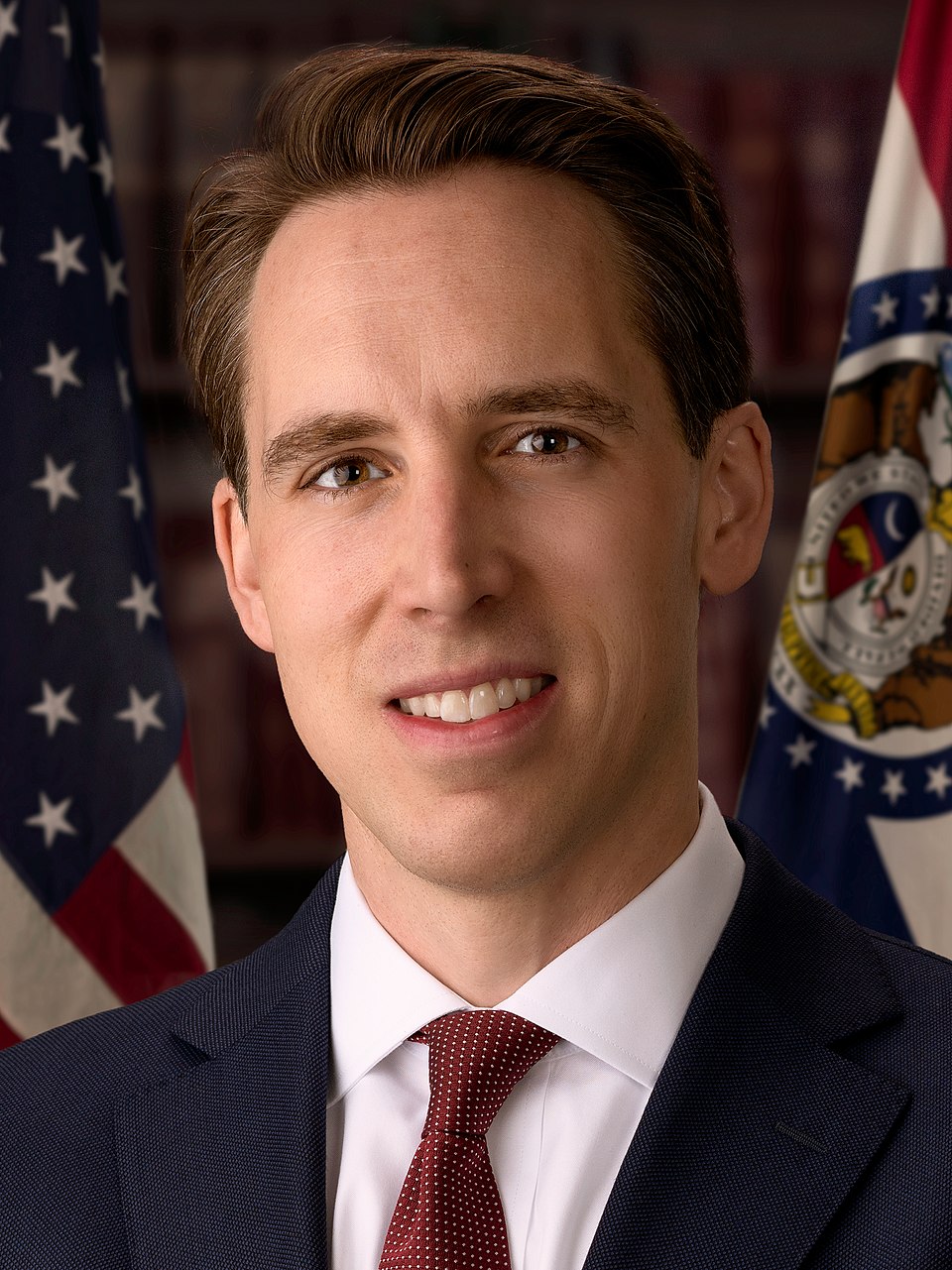
The Senate Commerce Committee advanced the GUARD Act in a unanimous 22-0 vote Thursday, moving legislation that would restrict AI chatbots from targeting minors after families testified about their children's deaths and trauma allegedly linked to the technology. Sen. Josh Hawley, R-Mo., the bill's lead sponsor, called on Senate Majority Leader John Thune to bring the measure to the floor for a vote before the legislative calendar runs out.
The legislation comes as Congress grapples with how to regulate rapidly evolving AI systems that have found their way into millions of American homes. The GUARD Act would ban companion chatbots designed for users under 18, prohibit all chatbots from providing explicit content to minors or encouraging self-harm, and require AI systems to clearly disclose they are not human.
What the Left Is Saying
Sen. Maria Cantwell, D-Wash., who chairs the Senate Commerce Committee, supported advancing the bill after hearing testimony from affected families. The committee's unanimous vote reflected bipartisan concern about protecting children online.
Progressive advocates have largely welcomed the legislation while arguing it represents a starting point rather than a comprehensive solution. Organizations focused on children's digital safety say federal regulation should go further to address data collection practices and algorithmic amplification of harmful content to minors.
Some Democratic lawmakers argue that while the GUARD Act addresses chatbot-specific harms, broader AI accountability measures are needed. They have pointed to potential gaps in enforcement mechanisms and questioned whether industry self-regulation has proven insufficient without stronger federal oversight.
Consumer advocacy groups aligned with progressive priorities say tech companies have prioritized growth over safety for years. They note that children have faced online threats through social media platforms and argue AI chatbots represent a new vector for harm requiring updated legal frameworks.
What the Right Is Saying
Hawley framed the legislation as essential protection against what he called predatory behavior by technology companies. He rejected suggestions that parents bear responsibility for their children's interactions with AI systems, calling affected families "all engaged parents" who are being unjustly blamed for industry practices.
In a statement, Hawley said tech companies making billions in profits have told grieving parents to accept the status quo. "No amount of profit justifies the deliberate taking of a child's well-being," he said. The senator argued that if human adults engaged in behavior documented in these cases, they would face criminal charges for grooming minors.
Republican committee members who supported the bill emphasized parental rights and industry accountability. They argue that tech companies have operated without adequate oversight and that Congress must act to protect children from manipulative digital products designed with engagement metrics in mind.
Conservative advocates for the legislation say it represents a rare area of agreement between populist conservatives skeptical of big tech and families across the political spectrum who have experienced harm firsthand. Some Republican supporters have also called for provisions that would make platforms liable for harms to minors.
What the Numbers Show
The Senate Commerce Committee voted 22-0 to advance the GUARD Act, with no recorded opposition from committee members. The bill now awaits action by Senate Majority Leader John Thune on whether to schedule floor consideration.
According to polling by the Pew Research Center, 57% of U.S. adults say AI companies should prioritize safety over speed in product development when children are involved. Among parents of minors, that figure rises to 64%.
A 2025 Common Sense Media survey found that 42% of teenagers ages 13-17 have used an AI chatbot for conversation or companionship, with 23% reporting they had shared personal problems or emotional struggles with the technology.
The Federal Trade Commission reported 12,400 complaints related to AI-enabled products and services in 2025, a 340% increase from three years prior. Cases involving minors represented approximately 18% of those complaints.
The Bottom Line
The GUARD Act's unanimous committee passage signals rare bipartisan consensus on children's safety in the digital age. Its prospects for floor consideration will depend on scheduling negotiations between Hawley and Senate leadership as lawmakers balance competing legislative priorities with a shrinking calendar before midterm elections.
If enacted, the legislation would represent Congress's most significant action on AI regulation since the 2023 AI Accountability Act. It would affect companies developing consumer-facing chatbots including OpenAI, Google, Anthropic, and Meta.
Industry groups have lobbied against certain provisions, according to Hawley, though no company issued a public statement opposing the bill during committee consideration. OpenAI did not respond to requests for comment on this story.
Critics of the legislation say it may prove difficult to enforce given the pace at which AI technology evolves. Supporters counter that waiting for perfect solutions means more children face documented risks. Families who testified said they hope the bill prevents others from experiencing similar tragedies.