
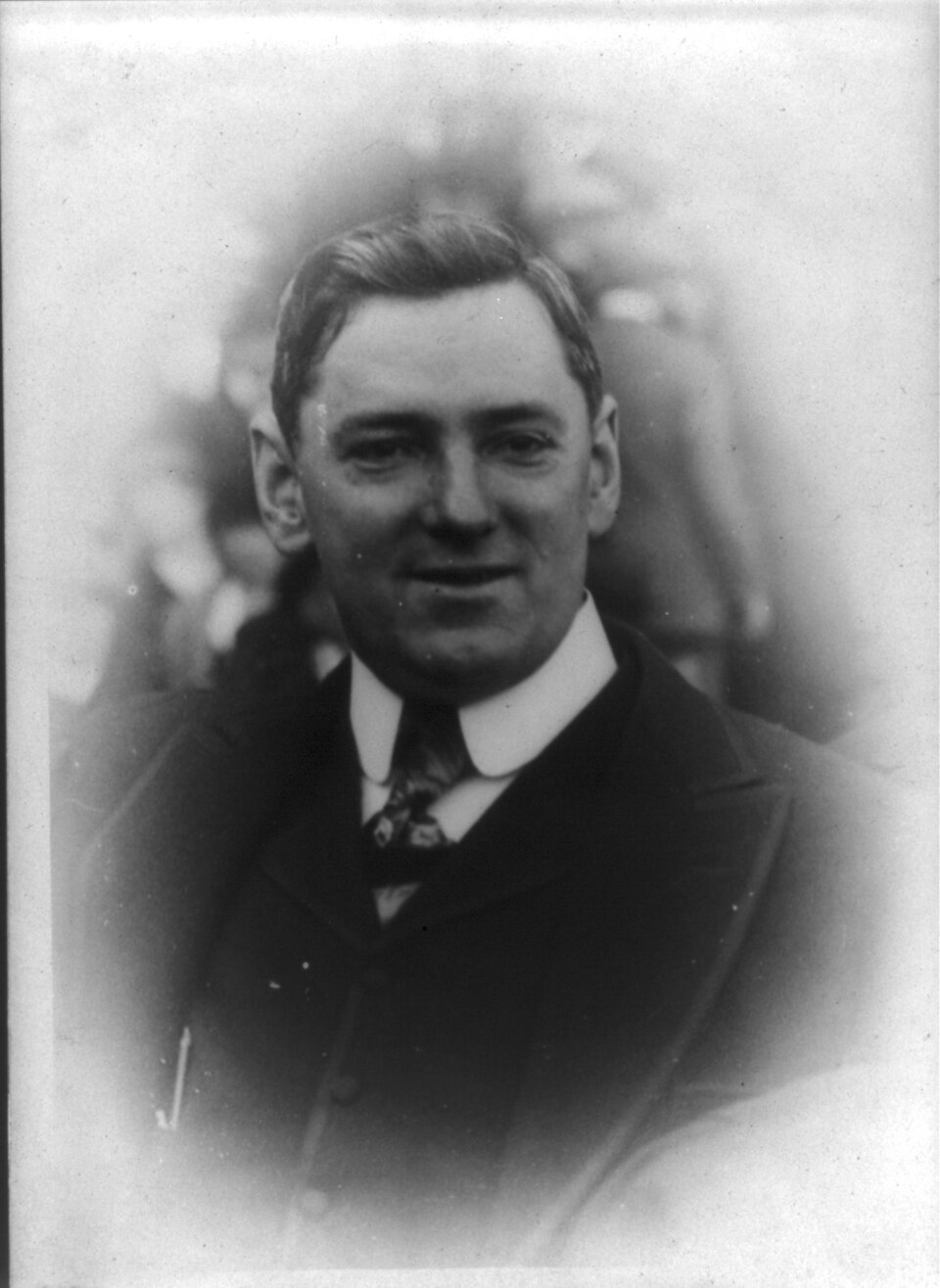
A decades-old political science concept known as "The Curley Effect" has resurfaced in public debate, with some commentators arguing that certain urban policies may be driving wealthier residents to leave cities while solidifying support among lower-income populations. The theory, named after Boston Mayor James Michael Curley who served from 1914 to 1950, was formally studied by economists at Harvard University.
James Michael Curley served four terms as Boston mayor, one term as Massachusetts governor, and also in the U.S. House of Representatives. Britannica notes he was nicknamed "The Rascal King" and maintained popularity among Boston's Irish immigrant population despite multiple controversies including criminal convictions for mail fraud. During his administrations, Boston's population stagnated while other major cities grew, and city finances deteriorated significantly.
According to economic research cited by commentators, the theory suggests that when politicians implement policies that heavily tax wealthy residents and create government jobs targeted at lower-income communities, they may inadvertently accelerate an exodus of affluent taxpayers. This demographic shift can increase the political power of remaining lower-income residents who support the incumbent leadership.
"The idea is that, if you want to retain your grip on power even though you're doing a horrible job, then your best course of action is to drive all of your political opponents out of town," one commentator wrote in an analysis piece. The theory suggests that showering preferred demographic groups with public benefits becomes politically sustainable when the opposition has already left.
What the Right Is Saying
Critics of progressive urban governance argue that The Curley Effect represents a deliberate strategy employed by left-leaning mayors to consolidate political power at the expense of long-term city prosperity. Conservative commentators contend that policies promoting high taxes on wealthy residents and expansive government services create perverse incentives for productive citizens to relocate while adding dependents to public assistance rolls.
"For every millionaire who flees, you're gaining one net vote in the next election," one conservative commentator argued. "The more the city decays, and the more the productive residents flee, the more job security she has."
Fiscal conservatives point to bond rating downgrades, aging infrastructure, and pension shortfalls in major Democratic-controlled cities as evidence of unsustainable governance models. They argue that bipartisan municipal bankruptcies like Detroit's 2013 filing demonstrate the real-world consequences when cities prioritize political coalition-building over fiscal responsibility.
"The broke, unemployed aren't bothered by any of this," another conservative commentator wrote. "They'll be here forever. They're not going anywhere." This perspective frames urban progressive policies as deliberately exploitative rather than responsive to genuine need.
What the Left Is Saying
Progressive urban policy advocates argue that cities face genuine structural challenges that cannot be reduced to simple political strategies. Supporters of recent urban spending initiatives say programs like universal pre-K, expanded public transit, and affordable housing investments address real needs among working-class residents who have been displaced by gentrification and rising costs in major metropolitan areas.
Urban economists aligned with progressive policies contend that wealthy resident flight is often a symptom of broader economic shifts—remote work, suburbanization, and corporate consolidation—not deliberate political manipulation. They note that many cities face funding shortfalls regardless of leadership philosophy due to state aid formulas, federal policy changes, and legacy pension obligations.
"Cities are being asked to solve problems they didn't create," one urban policy researcher wrote in an academic paper examining municipal fiscal stress. "The narrative that mayors deliberately tank their cities ignores the structural constraints on local governance."
Defenders of current urban leadership point out that New York City, despite recent budget pressures, remains one of the wealthiest municipalities in the world with a GDP exceeding most countries. They argue that calls for state bailouts reflect intergovernmental funding gaps rather than fiscal mismanagement.
What the Numbers Show
According to U.S. Census Bureau data analyzed in recent years, several major Democratic-leaning cities have experienced population declines while surrounding suburban areas grew. New York City lost approximately 7% of its population between 2020 and 2024, according to census estimates. San Francisco, Chicago, and Los Angeles also showed net outflows during the same period.
Internal Revenue Service migration data shows that high-income earners have increasingly relocated from coastal blue states to lower-tax jurisdictions. A study by the IRS found that California lost approximately $23 billion in adjusted gross income due to outbound migration of residents earning over $200,000 annually between 2019 and 2020.
However, economists caution against conflating correlation with causation. Research published in peer-reviewed journals has documented multiple factors driving urban population shifts, including remote work normalization, housing affordability crises, natural disasters, and quality-of-life concerns unrelated to tax policy.
The original Curley Effect research by Harvard economists David Primo and James Snyder Jr. found evidence supporting the theory's core mechanism—tax increases can shift political coalitions by driving away opponents—but noted that successful implementation requires specific demographic conditions not present in all cities.
The Bottom Line
The Curley Effect remains a contested framework for understanding urban political dynamics. While the underlying economic mechanism—that taxation affects migration patterns which in turn affect electoral coalitions—is well-documented, whether mayors deliberately implement harmful policies to exploit this dynamic is disputed among scholars and commentators.
What both sides agree on is that major American cities face serious fiscal and governance challenges requiring difficult policy choices. The debate centers not on whether these problems exist but rather on their causes and solutions.
Urban voters in New York, Seattle, and other major cities will decide the validity of competing claims through upcoming elections. State legislators considering bailouts for financially stressed municipalities are weighing their own electoral incentives against fiscal responsibility.
The conversation is likely to intensify as more cities confront budget gaps and debate tax policy in an era of remote work, suburban migration, and federal deficit concerns.