
A legal education program for federal judges hosted by George Mason University's Antonin Scalia Law School has drawn scrutiny amid heightened political battles over climate science in the courts. The symposium, held in Nashville, Tennessee, brought together approximately 150 judges and focused on scientific methodology and expert testimony.
The event occurs as multiple significant lawsuits seeking to hold fossil fuel companies accountable for climate damages work through federal courts. Republican investigators have escalated inquiries into programs that educate judges about climate science, while industry-aligned groups have pushed alternative curricula emphasizing skepticism of mainstream climate research.
What the Left Is Saying
Defenders of climate science education programs say they serve a legitimate educational purpose and face unfair attacks designed to shield fossil fuel companies from legal accountability. The Environmental Law Institute, which runs the Climate Judiciary Project, stated that its program 'does not participate in litigation, coordinate with any parties related to any litigation, or advise judges on how they should rule on any issue or in any case.' The organization said its goal is simply to provide judges with tools to understand climate science and how it arises in law.
Environmental groups argue that attacks on judicial education programs amount to interference with the courts. The Climate Judiciary Project's materials underwent peer review and were approved by both the Federal Judicial Center and the National Academies of Sciences, Engineering and Medicine before being retracted under political pressure last winter.
"These programs exist because judges have requested training on complex scientific issues," said one environmental law professor who spoke on condition of anonymity due to ongoing investigations. "The attack on judicial education is really an attack on the courts' ability to function with proper scientific literacy."
Climate scientists and legal scholars note that mainstream climate science has been validated by virtually every major scientific institution worldwide. They argue that teaching judges about established science differs fundamentally from attempting to influence outcomes in specific cases.
What the Right Is Saying
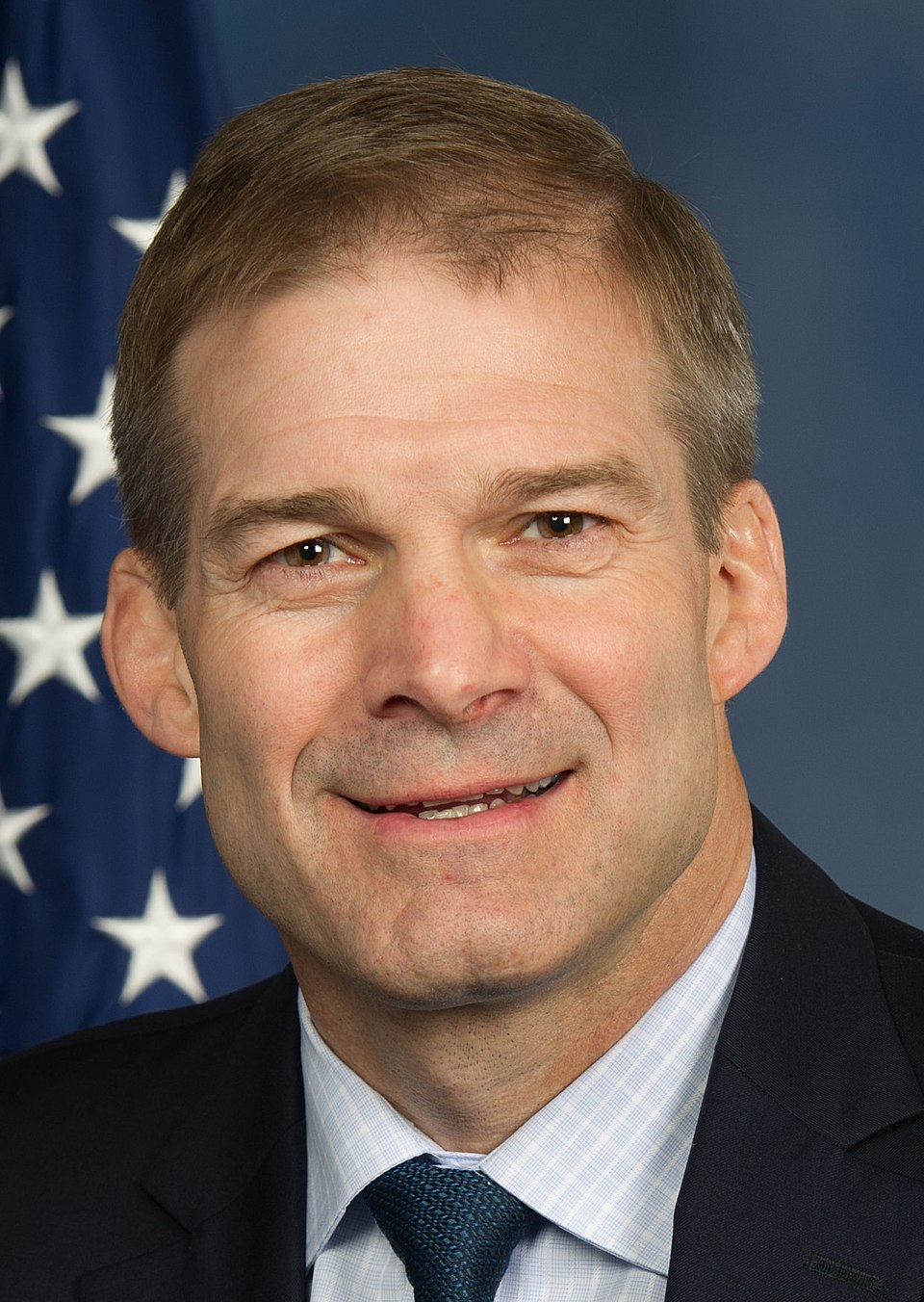
Conservative critics contend that climate litigation programs carry implicit biases that could affect judicial independence. Rep. Jim Jordan of Ohio, chair of the House Judiciary Committee, issued letters on April 28 accusing the Sabin Center for Climate Change Law at Columbia University, the Environmental Law Institute, and attorney Michael Burger of "bias, conspiracy and collusion."
Jordan's committee demanded private communications, financial records, and funding sources from the three parties. In his letters, Jordan wrote that the Sabin Center is "producing materials to be used to bias federal judges about novel climate-related legal theories" and raised concerns about potential ex parte contact with courts.
Twenty-two Republican attorneys general previously pressed Jordan's committee to investigate the Federal Judicial Center's publication of a climate science chapter in its technical manual for judges. The chapter was retracted in February after critics noted that its authors worked at Columbia's Sabin Center and had connections to law firms handling climate litigation.
Conservative legal advocates argue that any program connecting climate researchers to litigation strategy raises legitimate questions about judicial impartiality. The George Mason symposium, they say, offers judges balanced perspectives on scientific methodology without ties to active litigation.
"Judges deserve to hear multiple viewpoints on contested scientific questions," said a spokesperson for the Antonin Scalia Law School. "Our program focuses on healthy skepticism and rigorous methodology rather than advocacy."
What the Numbers Show
The George Mason symposium hosted approximately 150 federal and state judges, according to available reports.
At least 11 states have seen legislative efforts, coordinated by operatives connected to conservative activist Leonard Leo, to pass laws shielding fossil fuel companies from climate liability. Similar bills were introduced in both the House and Senate in recent weeks.
The Federal Judicial Center's retracted chapter on climate science was approximately 90 pages long. It had received peer review approval before its February withdrawal under political pressure.
Climate litigation against major oil companies has grown substantially, with cases pending in multiple federal district courts and several reaching appellate consideration.
The Bottom Line
The competing judicial education programs reflect deeper tensions over how climate science should be presented to courts deciding liability cases worth billions of dollars. Both sides frame their efforts as protecting judicial independence, though they reach opposite conclusions about which programs pose the greater threat.
Jordan's investigation remains ongoing, with deadline responses from the accused parties expected in coming weeks. Congressional observers note that the inquiry could lead to subpoenas if organizations do not comply with document demands.
Legal scholars say courts will ultimately decide climate liability cases based on established precedent and evidence. The outcome may depend less on judicial education programs than on how appellate courts interpret existing law regarding scientific evidence and corporate responsibility for emissions.
What to watch: Whether the accused organizations comply with Jordan's document requests, whether Congress schedules hearings on climate litigation funding, and how pending federal cases proceed through the court system.