
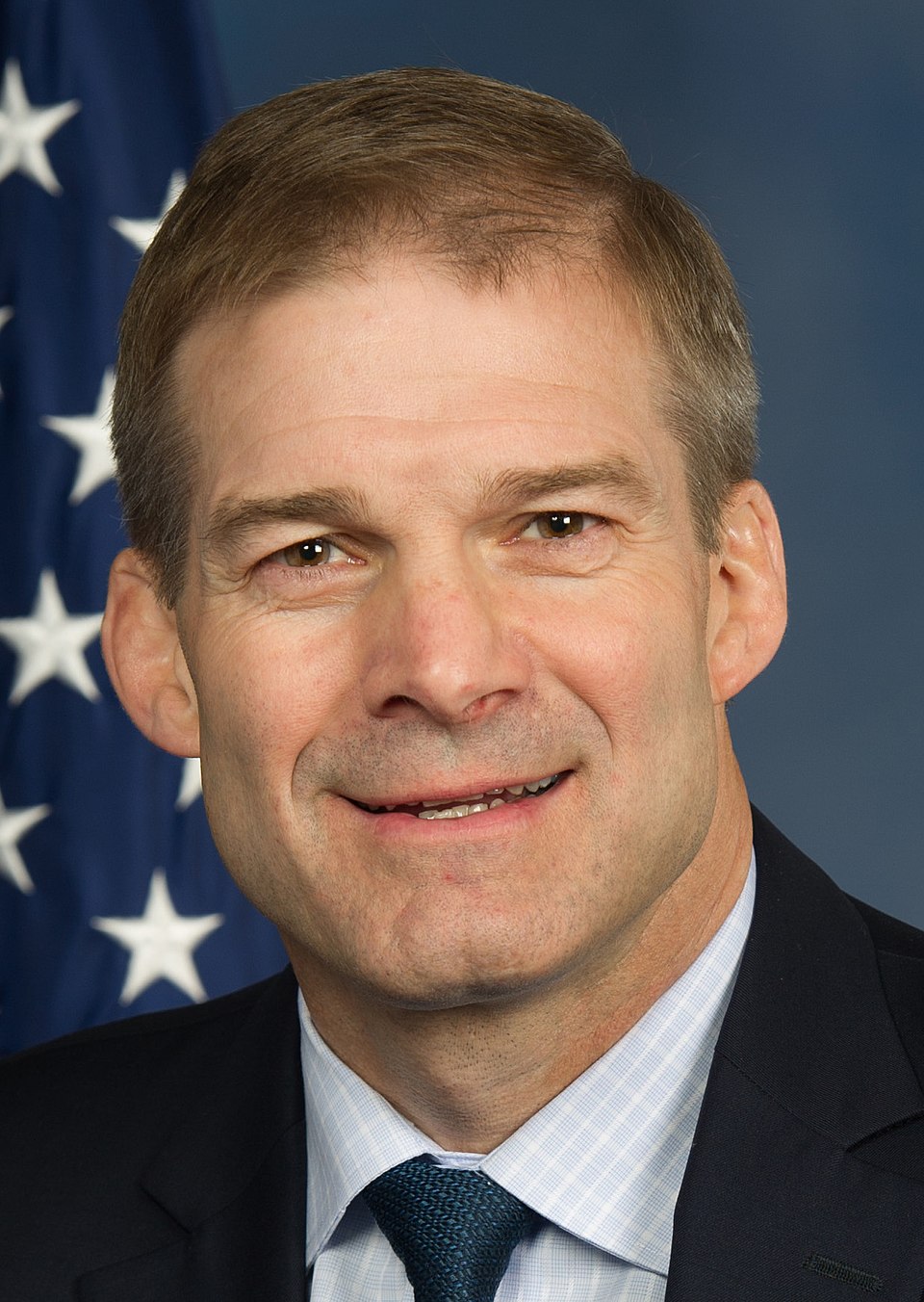
A program run by the Antonin Scalia Law School at George Mason University is hosting a symposium for approximately 150 judges in Nashville, Tennessee, that aims to educate courts on scientific methodology and expert testimony while emphasizing what organizers describe as "healthy skepticism" of climate science. The event, called the "Judicial Symposium on Scientific Methodology, Expert Testimony, and the Judicial Role," opened April 29 and runs through Saturday, May 2. It comes as House Judiciary Committee Chair Rep. Jim Jordan, R-Ohio, has escalated an investigation into a competing judicial education program that seeks to help courts understand climate science.
The dueling programs reflect intensifying partisan conflict over how federal judges receive information about climate change at a time when multiple lawsuits seeking to hold fossil fuel companies accountable for climate damages are working through the courts. The George Mason event is aligned with free-market conservative groups and business interests, while its organizers have connections to the oil and gas industry.
What the Left Is Saying
Democratic lawmakers and legal ethics experts say the attacks on the Climate Judiciary Project represent a coordinated effort by the fossil fuel industry to shield companies from liability rather than a legitimate concern about judicial independence. Rep. Jerry Nadler of New York, the ranking Democrat on the House Judiciary Committee, called Jordan's investigation "a transparent attempt to intimidate and harass organizations that are simply trying to provide judges with accurate scientific information."
Environmental groups argue that teaching judges about established climate science is no different from any other judicial education program. The Environmental Law Institute, which oversees the Climate Judiciary Project, stated in an email that it "does not participate in litigation, coordinate with any parties related to any litigation, or advise judges on how they should rule on any issue or in any case." A spokesperson added: "The goal of CJP is to provide judges with the tools they need to understand climate science and how it arises in the law."
Climate scientists and legal scholars say the George Mason symposium's framing around skepticism conflicts with scientific consensus. Dr. James Hansen, former NASA Goddard Institute for Space Studies director, said: "There is overwhelming scientific agreement that human activities are causing global warming. Teaching judges to be skeptical of this consensus undermines their ability to evaluate evidence in climate cases fairly."
What the Right Is Saying
Rep. Jordan and Republican attorneys general contend that the Climate Judiciary Project represents improper coordination between litigants, advocacy groups, and courts. In letters dated April 28, Jordan accused Michael Burger, executive director of Columbia University's Sabin Center for Climate Change Law, along with the Environmental Law Institute and law firm Sher Edling, of bias, conspiracy, and collusion. Jordan demanded private communications, receipts, records of funding sources, and interviews before his committee.
Twenty-two Republican attorneys general previously pressured the Federal Judicial Center to retract a 90-page chapter on climate science from its technical manual for judges. The attorneys general alleged that the chapter's authors at Columbia's Sabin Center were biased because they work closely with Sher Edling, which represents climate plaintiffs in litigation against oil companies. The Federal Judicial Center retracted the chapter in February despite prior peer review approval and endorsement by the National Academies of Sciences, Engineering and Medicine.
Conservative legal scholars support judicial skepticism of climate science education programs. "Judges must remain neutral arbiters, not students of advocacy groups with clear litigation interests," said Prof. Jonathan Adler of Case Western Reserve University School of Law. "The George Mason symposium provides judges with tools to critically evaluate expert testimony without being swayed by well-funded campaigns from either side."
What the Numbers Show
According to a review of lobbying disclosures and tax filings, the Antonin Scalia Law School has received funding from foundations linked to conservative donors with fossil fuel interests, including the Searle Freedom Trust and the John William Pope Foundation. The Environmental Law Institute's Climate Judiciary Project received grants totaling approximately $1.2 million between 2020 and 2024, according to its tax filings, with funding coming from the EPA (before recent grant restrictions), the Gordon and Betty Moore Foundation, and other philanthropic sources.
Climate litigation has grown substantially: There were 2,180 climate-related lawsuits filed in U.S. courts as of December 2025, up from fewer than 200 in 2010, according to the Grantham Research Institute at the London School of Economics. Major cases pending include municipal liability suits brought by Honolulu, San Francisco, and other local governments seeking damages for climate impacts.
Liability waiver bills have been introduced in both chambers: H.R. 2457 and S. 1189 would limit fossil fuel company liability for climate harms. The measures were introduced following coordinated lobbying efforts that ProPublica reported are connected to conservative activist Leonard Leo's network across 11 states.
The Bottom Line
The simultaneous events highlight how education about scientific evidence in courtrooms has become a new front in the legal battle over climate accountability. What happens next will likely depend on whether Jordan's committee investigation produces actionable findings or remains focused on document requests. The Florida attorney general's office has also launched a separate investigation into alleged judicial influence by the Environmental Law Institute.
Both programs insist they are nonpartisan educational efforts, but their sharply different approaches to climate science reflect broader divisions in how courts should weigh scientific evidence when fossil fuel liability is at stake. Legal observers say the outcome of this dispute could shape how hundreds of pending and future climate cases are decided for years to come.